
 Label Bas Carbone
Examples: reducing the frequency of soil cultivation, minimalist plot preparation, restoring organic matter and preserving soil microfauna.

Examples: territorial dynamics, societal demand, diversification of the activity, local sales/processing, working conditions, sharing of good practices.

Examples: Consideration of wetlands, use of adapted species, drip-connected irrigation tools.
SCEA La Traverse
SCEA La Traverse - Farm growing walnut trees, among other things
Read morePlantation of 1.87 hectares of walnut trees
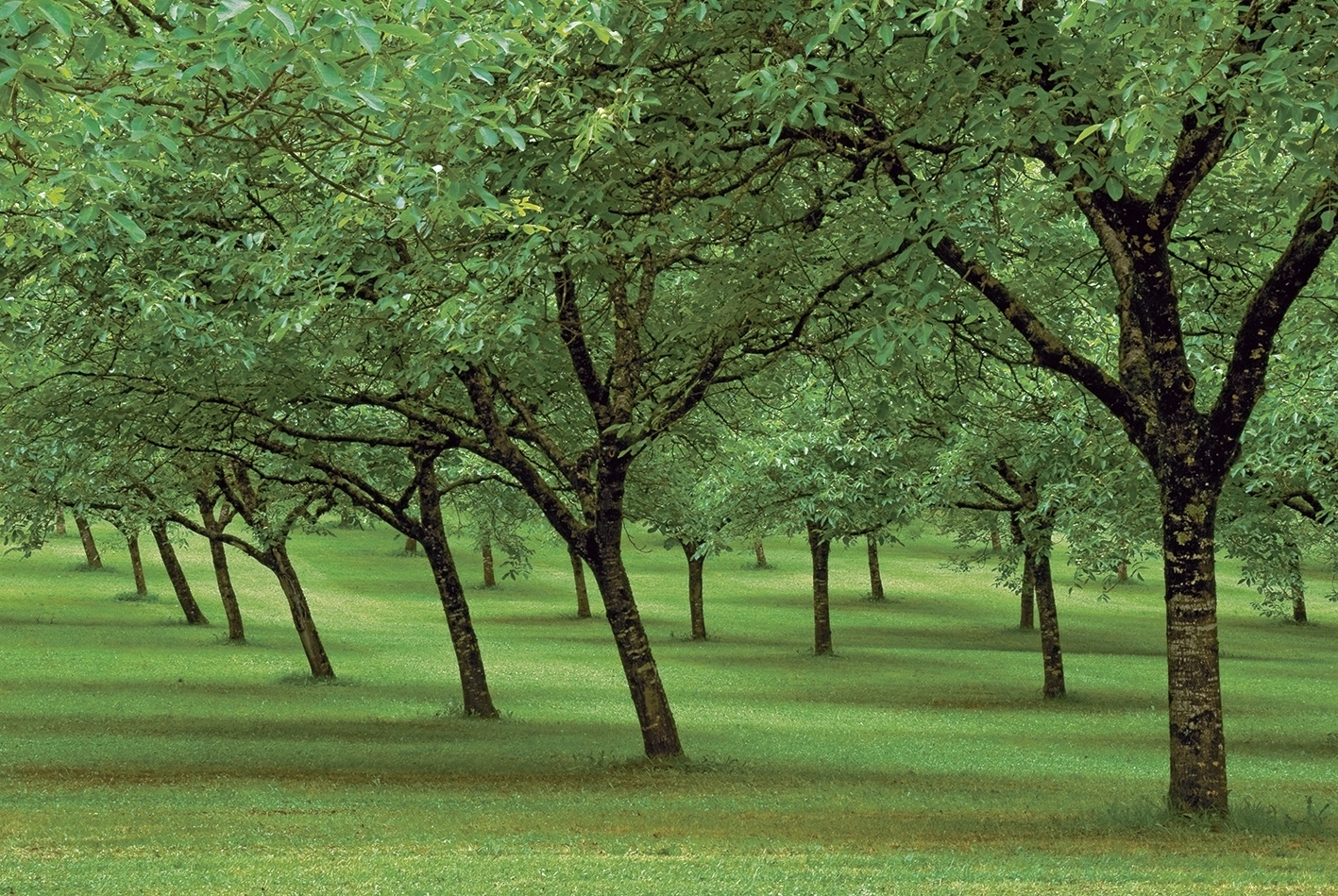
The project takes place in Daglan, in the heart of Dordogne, Nouvelle-Aquitaine. This area is renowned for its rich agricultural heritage, temperate ocean-influenced climate, and preserved natural landscapes. Dordogne stands out for its rolling hills, rivers, and a longstanding tradition of diversified farming, especially walnut cultivation—an emblem of the Périgord. The local economy relies on agriculture, rural tourism, and the promotion of local products, with walnuts recognized for their quality and historical significance.
Mr Romain Eymerie plans to plant 1.87 hectares of Walnut trees in January 2023. The selected plots were previously used for annual cereal crops.
Planting permanent trees will sequester more CO2 throughout the year compared to a temporary crop. This project will make it possible to store 105.18 tonnes of CO2 equivalent in 20 years*.
-The project responds to social and economic issues: Most walnut production will be sold locally.
-The soil will also be able to sequester more CO2, as it will no longer be worked every year. What's more, this new plantation will require less fertilizer and treatments than previous crops. This new cultivation itinerary will help avoid emissions and make the project even more virtuous.
-Water resources will be protected: In order to limit soil erosion, leaching and therefore overconsumption of fertilizers, 90% of the orchard will benefit from permanent grass cover. An action that will also be very beneficial for local biodiversity and will limit overconsumption of water. Precision irrigation equipment will also be used to limit the amount of water needed for trees.
* The final value of the estimate will only be established after verification by an independent auditor and an administrative verification decision.
 Label Bas Carbone
Examples: reducing the frequency of soil cultivation, minimalist plot preparation, restoring organic matter and preserving soil microfauna.
Examples: territorial dynamics, societal demand, diversification of the activity, local sales/processing, working conditions, sharing of good practices.
Examples: Consideration of wetlands, use of adapted species, drip-connected irrigation tools.
SCEA La Traverse
SCEA La Traverse - Farm growing walnut trees, among other things
Read morePlantation of 1.87 hectares of walnut trees
The project takes place in Daglan, in the heart of Dordogne, Nouvelle-Aquitaine. This area is renowned for its rich agricultural heritage, temperate ocean-influenced climate, and preserved natural landscapes. Dordogne stands out for its rolling hills, rivers, and a longstanding tradition of diversified farming, especially walnut cultivation—an emblem of the Périgord. The local economy relies on agriculture, rural tourism, and the promotion of local products, with walnuts recognized for their quality and historical significance.
Mr Romain Eymerie plans to plant 1.87 hectares of Walnut trees in January 2023. The selected plots were previously used for annual cereal crops.
Planting permanent trees will sequester more CO2 throughout the year compared to a temporary crop. This project will make it possible to store 105.18 tonnes of CO2 equivalent in 20 years*.
-The project responds to social and economic issues: Most walnut production will be sold locally.
-The soil will also be able to sequester more CO2, as it will no longer be worked every year. What's more, this new plantation will require less fertilizer and treatments than previous crops. This new cultivation itinerary will help avoid emissions and make the project even more virtuous.
-Water resources will be protected: In order to limit soil erosion, leaching and therefore overconsumption of fertilizers, 90% of the orchard will benefit from permanent grass cover. An action that will also be very beneficial for local biodiversity and will limit overconsumption of water. Precision irrigation equipment will also be used to limit the amount of water needed for trees.
* The final value of the estimate will only be established after verification by an independent auditor and an administrative verification decision.