
 Label Bas Carbone
Examples: reducing the frequency of soil cultivation, minimalist plot preparation, restoring organic matter and preserving soil microfauna.

Examples: Consideration of wetlands, use of adapted species, drip-connected irrigation tools.

Examples: reduction in the use of chemical mineral fertilizers, phytosanitary products, measurement of crop needs in real time via predictive tools.
Improvement of the practices of a farm in Oise
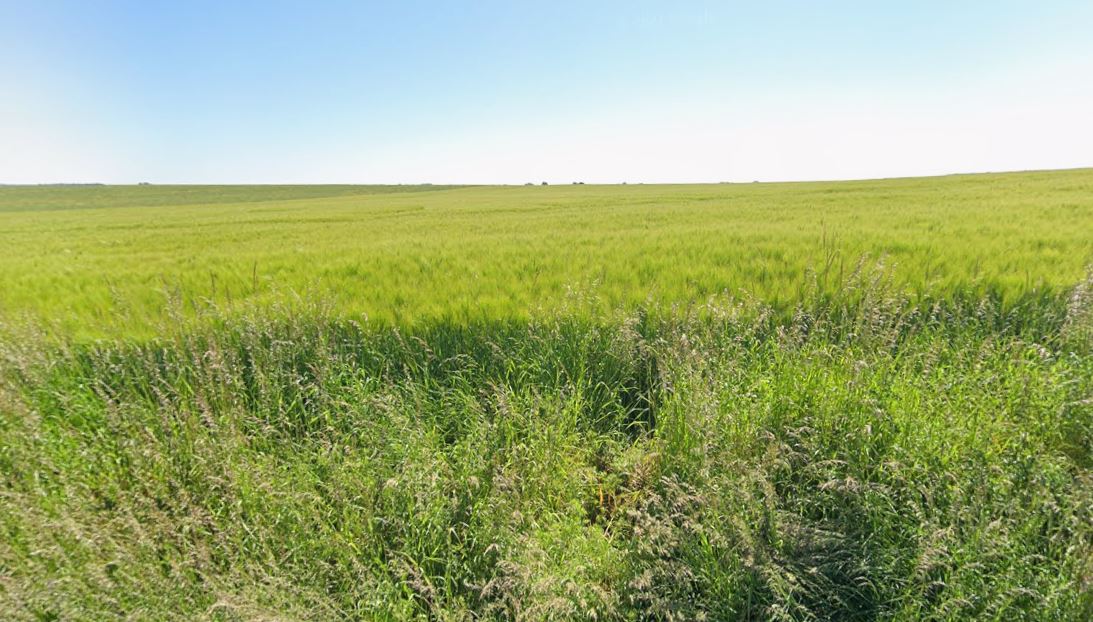
The EARL Chartier Silly farm is located in Silly Le Long in Oise. Thanks to this project, the operator wishes to go further in his approach for a diversified agriculture that is more respectful of the environment. By changing practices, 157.13 tons of CO2 equivalent will be stored in addition per year, i.e. 785.65 over the 5 years of the project*, which would reduce greenhouse gas emissions from the operation.
Financing a project to reduce emissions in large scale crops makes it possible to reward reductions in emissions that are already effective depending on the progress of the project, unlike planting trees which will only sequester the CO2 expected in decades.
Increase in soil cover on the farm: Extension of the permanent soil cover to supply the new methanisation workshop of the farm with intercrops and preserve the microfauna of the soil throughout the year. This increase in cover is favorable to water retention and limits erosion. Increase in sequestration in the biomass.
Introduce new crops in the rotation with lower nitrogen requirements: Winter peas will be introduced into rotations up to approximately 6 ha by reducing the surface areas of beets and wheat. With mineral fertilization at 0 nitrogen units, pea cultivation is a major lever in reducing greenhouse gas emissions in terms of direct emissions.
Improved seeding techniques: Reduction of tillage to save fuel and preserve the life of the soil.
Increase in organic inputs: Usually the organic amendment was provided by chicken droppings and candy vinasse. These inputs will be supplemented by the digestate from the methanation to reduce the inputs of mineral fertilizers.
Reduce the dose of mineral nitrogen: The farm was using mineral fertilization on its rye catch crops which will now only be fertilized with organic amendments.
* The final value of the estimate will only be established after verification by an independent auditor and an administrative verification decision.
 Label Bas Carbone
Examples: reducing the frequency of soil cultivation, minimalist plot preparation, restoring organic matter and preserving soil microfauna.
Examples: Consideration of wetlands, use of adapted species, drip-connected irrigation tools.
Examples: reduction in the use of chemical mineral fertilizers, phytosanitary products, measurement of crop needs in real time via predictive tools.
Improvement of the practices of a farm in Oise
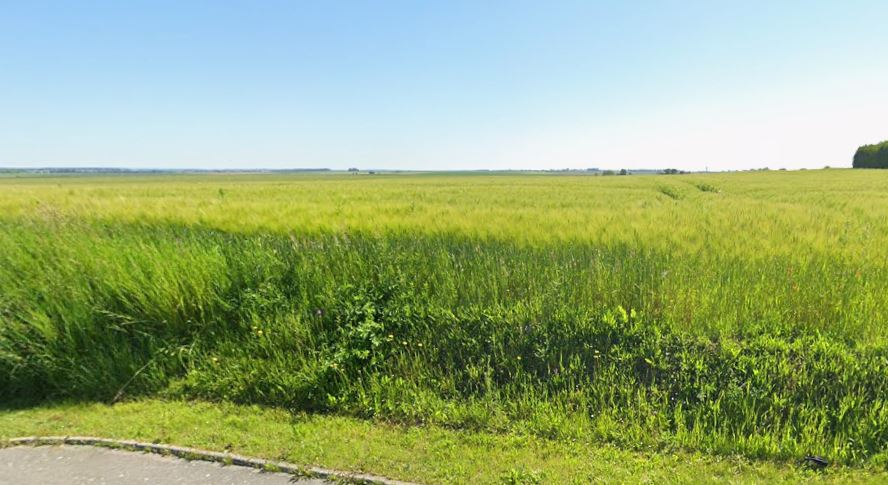
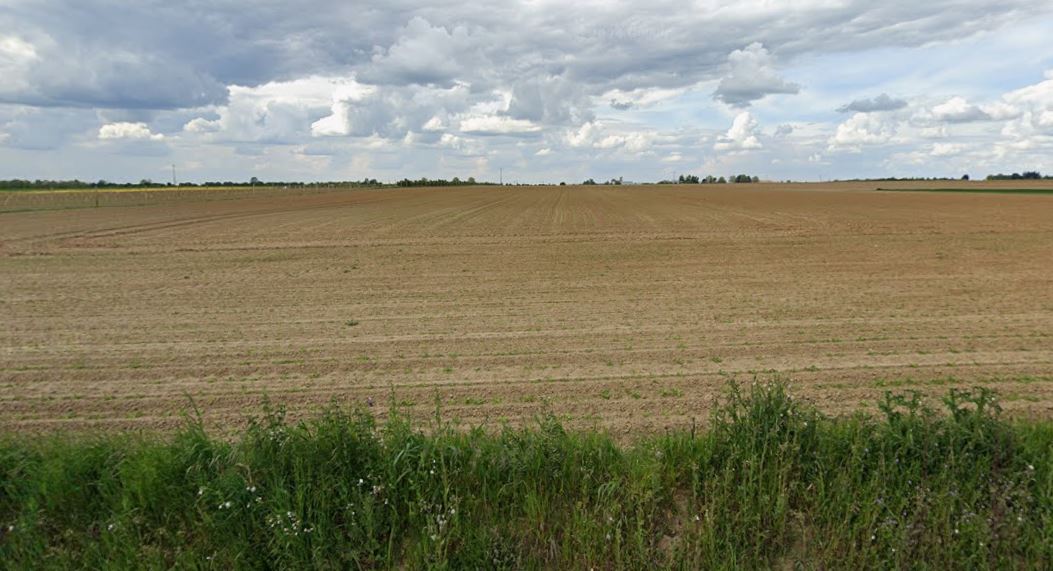
The EARL Chartier Silly farm is located in Silly Le Long in Oise. Thanks to this project, the operator wishes to go further in his approach for a diversified agriculture that is more respectful of the environment. By changing practices, 157.13 tons of CO2 equivalent will be stored in addition per year, i.e. 785.65 over the 5 years of the project*, which would reduce greenhouse gas emissions from the operation.
Financing a project to reduce emissions in large scale crops makes it possible to reward reductions in emissions that are already effective depending on the progress of the project, unlike planting trees which will only sequester the CO2 expected in decades.
Increase in soil cover on the farm: Extension of the permanent soil cover to supply the new methanisation workshop of the farm with intercrops and preserve the microfauna of the soil throughout the year. This increase in cover is favorable to water retention and limits erosion. Increase in sequestration in the biomass.
Introduce new crops in the rotation with lower nitrogen requirements: Winter peas will be introduced into rotations up to approximately 6 ha by reducing the surface areas of beets and wheat. With mineral fertilization at 0 nitrogen units, pea cultivation is a major lever in reducing greenhouse gas emissions in terms of direct emissions.
Improved seeding techniques: Reduction of tillage to save fuel and preserve the life of the soil.
Increase in organic inputs: Usually the organic amendment was provided by chicken droppings and candy vinasse. These inputs will be supplemented by the digestate from the methanation to reduce the inputs of mineral fertilizers.
Reduce the dose of mineral nitrogen: The farm was using mineral fertilization on its rye catch crops which will now only be fertilized with organic amendments.
* The final value of the estimate will only be established after verification by an independent auditor and an administrative verification decision.