 Label Bas Carbone
Examples: reducing the frequency of soil cultivation, minimalist plot preparation, restoring organic matter and preserving soil microfauna.

Examples: diversity and locality of crop species, preservation of habitat for local flora and fauna, presence of beehives for pollination.
Examples: reduction in the use of chemical mineral fertilizers, phytosanitary products, measurement of crop needs in real time via predictive tools.
Improvement of the practices of a farm in Oise
This family farm is located in Attichy on the Soissonnais plateau. Aurore and Xavier Piot produce wheat, rapeseed, barley, beets, flax, peas, lentils and potatoes there.
Since the spring of 2022, the farm has been committed to an organic farming and soil conservation approach. The tree farm is also certified High Environmental Value level 3.
Thanks to this project, they want to go even further in their approach for a diversified agriculture that is more respectful of the environment. By improving their practices, an additional 523.02 tons of CO2 equivalent will be stored per year, i.e. 2615.09 over the 5-year project*, which would reduce greenhouse gas emissions from operations.
Financing a project to reduce emissions in large scale crops makes it possible to reward reductions in emissions that are already effective depending on the progress of the project, unlike planting trees which will only sequester the CO2 expected in decades.
Reduction of inputs needed for production: less synthetic fertilizers and plant protection products will be used.
Simplified tillage: reduction of tillage, increase in direct seeding and simplified techniques.
Increase in biodiversity: installation of multi-species plant cover between each crop, allowing more CO2 to be captured all year round and organic matter to be returned to the soil. Cultures associated with the main culture are also set up, allowing a better vitality of this one and to welcome auxiliary insects.
* The final value of the estimate will only be established after verification by an independent auditor and an administrative verification decision.
 Label Bas Carbone
Examples: reducing the frequency of soil cultivation, minimalist plot preparation, restoring organic matter and preserving soil microfauna.
Examples: diversity and locality of crop species, preservation of habitat for local flora and fauna, presence of beehives for pollination.
Examples: reduction in the use of chemical mineral fertilizers, phytosanitary products, measurement of crop needs in real time via predictive tools.
Improvement of the practices of a farm in Oise
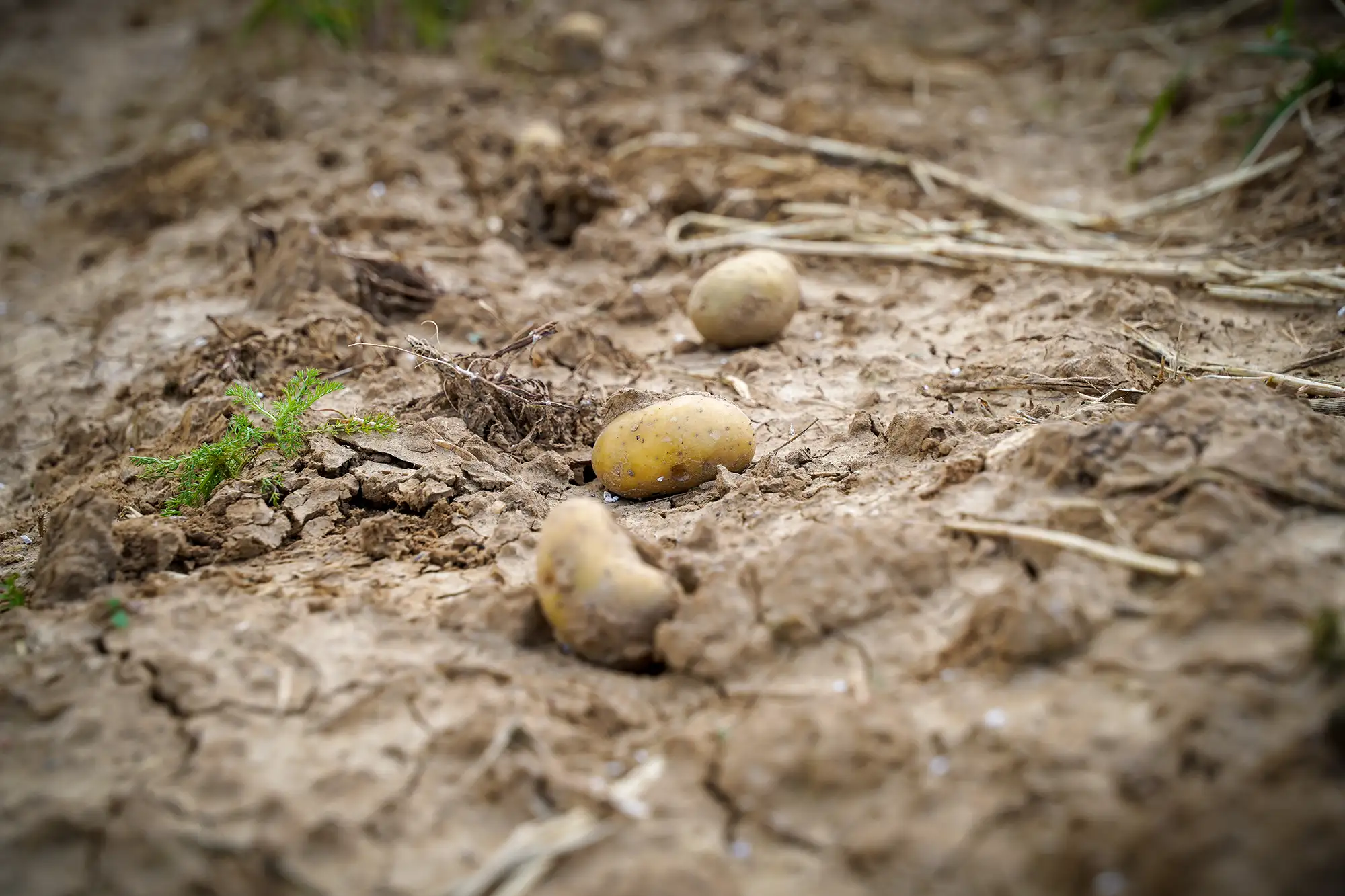
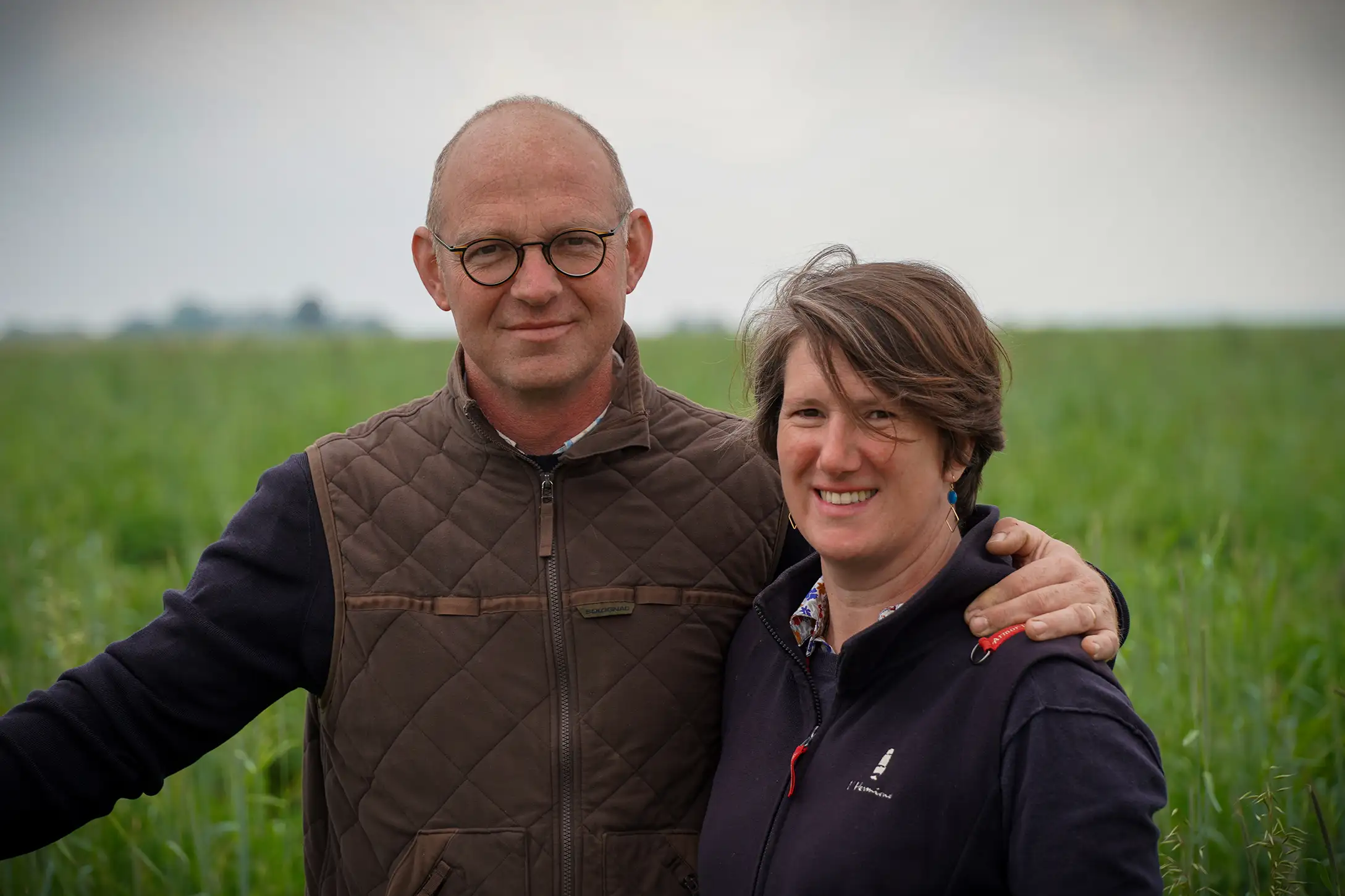
This family farm is located in Attichy on the Soissonnais plateau. Aurore and Xavier Piot produce wheat, rapeseed, barley, beets, flax, peas, lentils and potatoes there.
Since the spring of 2022, the farm has been committed to an organic farming and soil conservation approach. The tree farm is also certified High Environmental Value level 3.
Thanks to this project, they want to go even further in their approach for a diversified agriculture that is more respectful of the environment. By improving their practices, an additional 523.02 tons of CO2 equivalent will be stored per year, i.e. 2615.09 over the 5-year project*, which would reduce greenhouse gas emissions from operations.
Financing a project to reduce emissions in large scale crops makes it possible to reward reductions in emissions that are already effective depending on the progress of the project, unlike planting trees which will only sequester the CO2 expected in decades.
Reduction of inputs needed for production: less synthetic fertilizers and plant protection products will be used.
Simplified tillage: reduction of tillage, increase in direct seeding and simplified techniques.
Increase in biodiversity: installation of multi-species plant cover between each crop, allowing more CO2 to be captured all year round and organic matter to be returned to the soil. Cultures associated with the main culture are also set up, allowing a better vitality of this one and to welcome auxiliary insects.
* The final value of the estimate will only be established after verification by an independent auditor and an administrative verification decision.