
 Label Bas Carbone
Examples: reducing the frequency of soil cultivation, minimalist plot preparation, restoring organic matter and preserving soil microfauna.

Examples: Consideration of wetlands, use of adapted species, drip-connected irrigation tools.

Examples: reduction of energy consumption of mobile and stationary installations, reduction of journeys, on-site energy production.
Examples: reduction in the use of chemical mineral fertilizers, phytosanitary products, measurement of crop needs in real time via predictive tools.
Improvement of the practices of a farm in Oise
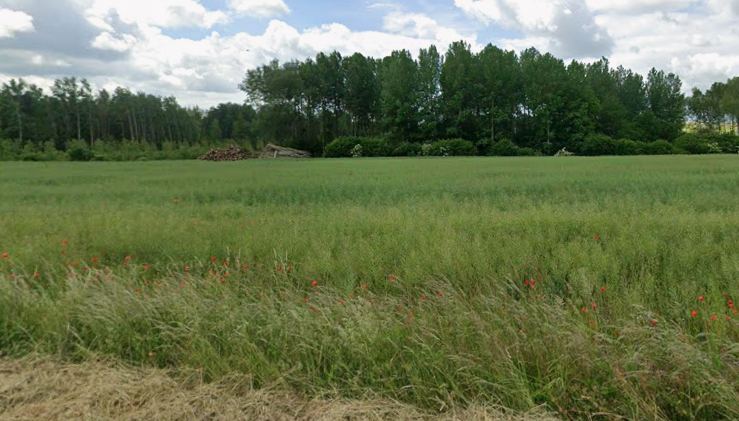
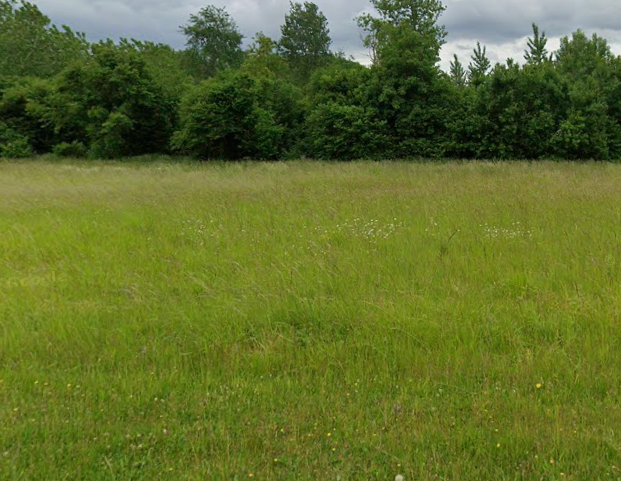
SCEA Saint Hilaire is located in Coudun, within the Hauts-de-France region—a territory renowned for its fertile plains, temperate oceanic climate, and longstanding traditions in cereal and beet production. The silty and clay soils present major agronomic advantages, while Hauts-de-France is increasingly recognized for its commitment to ecological transition and agricultural innovation. Historically shaped by intensive farming, the region is now moving towards more sustainable practices, supported by ambitious local policies and the active engagement of local stakeholders. The Coudun terroir, rich in rural history, benefits from a dynamic agricultural economy and natural heritage that define its identity.
SCEA Saint Hilaire, managed by Ludovic Loire since 2020, leverages solid experience in conventional arable farming across 145 hectares of useful farmland. The operation has progressively adopted soil conservation methods and diversified its crop systems. This approach reflects a commitment to excellence and adaptation to climate and economic challenges, with rigorous technical monitoring and continuous improvement efforts.
Environmental: Lower GHG emissions, restore soil fertility, improve water and air quality. Social: Strengthen agronomic skills, engage local stakeholders, share best practices. Economic: Optimize operating costs, valorize carbon credits, secure agricultural income. Solidarity: Contribute to regional food sovereignty and reduce imported deforestation. This project delivers major co-benefits: improved biodiversity, increased organic matter, rational resource management, and territorial solidarity.
The low-carbon transition led by SCEA Saint Hilaire enhances the region's appeal:
This project sets an example for other farms and actively contributes to the region's ecological and economic dynamics.
Reducing the amount of mineral nitrogen applied to crops : better optimization of inputs, less volatile forms of nitrogen, decision support tools, adjustment of yield objectives...
Increase the area sown with intermediate crops or catch crops: Increase in biomass produced sequestering carbon.
Introduction of crops with lower nitrogen requirements : legumes.
Increase organic inputs : Additional inputs of poultry manure to reduce mineral fertilizer inputs and burying of crop residues.
Increase of permanent cover : This technique allows to increase the organic nitrogen produced by the crushing of intercrops to reduce the dose of mineral nitrogen brought on the crops. In addition, keeping the soil permanently covered will improve the soil structure by encouraging water infiltration during heavy rainfall and its retention.
Reduction of fossil energy consumption : Training in eco-driving, tractor renewal.
* The final value of the estimate will only be established after verification by an independent auditor and an administrative verification decision.
 Label Bas Carbone
Examples: reducing the frequency of soil cultivation, minimalist plot preparation, restoring organic matter and preserving soil microfauna.
Examples: Consideration of wetlands, use of adapted species, drip-connected irrigation tools.
Examples: reduction of energy consumption of mobile and stationary installations, reduction of journeys, on-site energy production.
Examples: reduction in the use of chemical mineral fertilizers, phytosanitary products, measurement of crop needs in real time via predictive tools.
Improvement of the practices of a farm in Oise
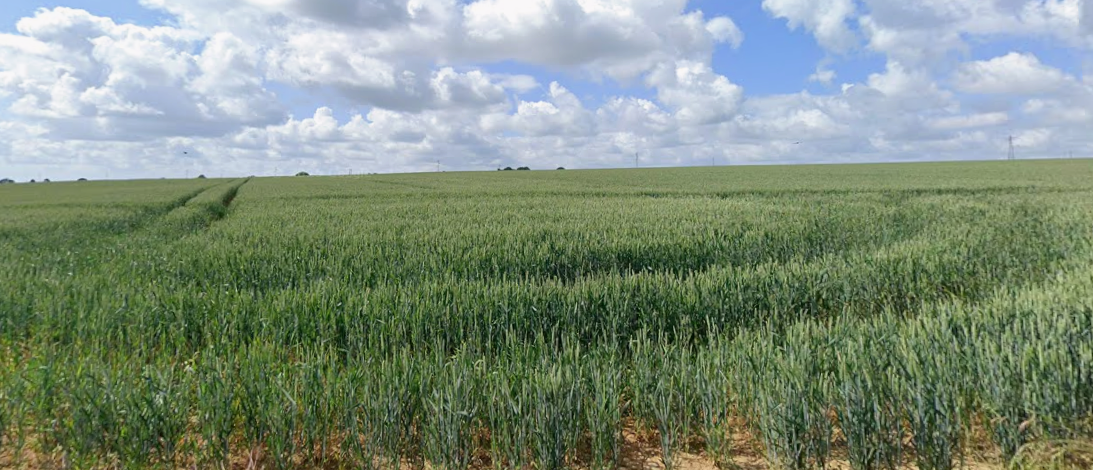
SCEA Saint Hilaire is located in Coudun, within the Hauts-de-France region—a territory renowned for its fertile plains, temperate oceanic climate, and longstanding traditions in cereal and beet production. The silty and clay soils present major agronomic advantages, while Hauts-de-France is increasingly recognized for its commitment to ecological transition and agricultural innovation. Historically shaped by intensive farming, the region is now moving towards more sustainable practices, supported by ambitious local policies and the active engagement of local stakeholders. The Coudun terroir, rich in rural history, benefits from a dynamic agricultural economy and natural heritage that define its identity.
SCEA Saint Hilaire, managed by Ludovic Loire since 2020, leverages solid experience in conventional arable farming across 145 hectares of useful farmland. The operation has progressively adopted soil conservation methods and diversified its crop systems. This approach reflects a commitment to excellence and adaptation to climate and economic challenges, with rigorous technical monitoring and continuous improvement efforts.
Environmental: Lower GHG emissions, restore soil fertility, improve water and air quality. Social: Strengthen agronomic skills, engage local stakeholders, share best practices. Economic: Optimize operating costs, valorize carbon credits, secure agricultural income. Solidarity: Contribute to regional food sovereignty and reduce imported deforestation. This project delivers major co-benefits: improved biodiversity, increased organic matter, rational resource management, and territorial solidarity.
The low-carbon transition led by SCEA Saint Hilaire enhances the region's appeal:
This project sets an example for other farms and actively contributes to the region's ecological and economic dynamics.
Reducing the amount of mineral nitrogen applied to crops : better optimization of inputs, less volatile forms of nitrogen, decision support tools, adjustment of yield objectives...
Increase the area sown with intermediate crops or catch crops: Increase in biomass produced sequestering carbon.
Introduction of crops with lower nitrogen requirements : legumes.
Increase organic inputs : Additional inputs of poultry manure to reduce mineral fertilizer inputs and burying of crop residues.
Increase of permanent cover : This technique allows to increase the organic nitrogen produced by the crushing of intercrops to reduce the dose of mineral nitrogen brought on the crops. In addition, keeping the soil permanently covered will improve the soil structure by encouraging water infiltration during heavy rainfall and its retention.
Reduction of fossil energy consumption : Training in eco-driving, tractor renewal.
* The final value of the estimate will only be established after verification by an independent auditor and an administrative verification decision.