
 Label Bas Carbone
Examples: reducing the frequency of soil cultivation, minimalist plot preparation, restoring organic matter and preserving soil microfauna.

Examples: diversity and locality of crop species, preservation of habitat for local flora and fauna, presence of beehives for pollination.

Examples: territorial dynamics, societal demand, diversification of the activity, local sales/processing, working conditions, sharing of good practices.

Examples: Consideration of wetlands, use of adapted species, drip-connected irrigation tools.
SCEA Palmipèdes du Terme
SCEA Palmipèdes du Terme - Farm growing walnut trees, among other things
Read morePlantation of 2.5 hectares at the SCEA Palmipèdes du Terme
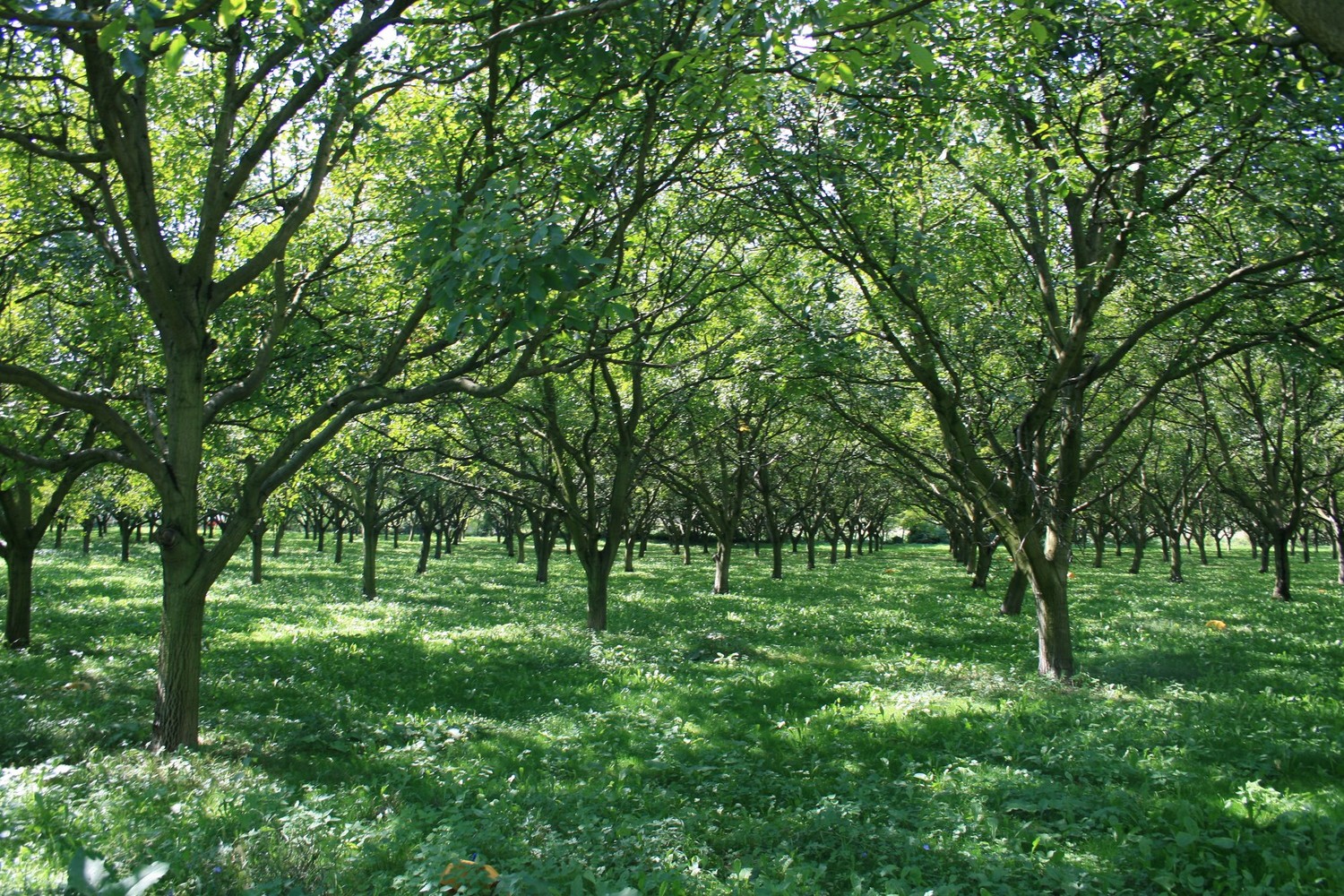
Located in the heart of Dordogne, the village of Pressignac-Vicq is renowned for its rolling landscapes, fertile soils, and temperate climate, ideal for fruit cultivation and diverse agriculture. Dordogne, a key region of Nouvelle-Aquitaine, boasts a rich agricultural heritage, famous for its orchards, forests, and high-quality products. This area, traversed by the Dordogne river and dotted with medieval bastides, enjoys remarkable biodiversity and a dynamic local economy centered around the valorization of its unique terroir.
SCEA Palmipèdes du Terme, established in 2009 in Pressignac-Vicq, has specialized in poultry farming. With strong local roots and experience, the farm is now embracing an ambitious agricultural diversification by creating new organic walnut orchards. This shift reflects the estate’s commitment to blending tradition, innovation, and sustainable development to benefit the region.
The project strengthens Dordogne’s appeal by enhancing agricultural land and supporting the walnut sector, a traditional regional pillar (FranceAgriMer). It helps create direct and indirect jobs, fosters partnerships with local stakeholders (farmers, processors, associations), and supports the region’s ecological transition. This exemplary orchard is part of a positive energy territory and the valorization of Périgord’s natural heritage.
Christian Coutou plans to plant 2.5 hectares of Walnut trees in January 2023. The plots selected were previously undervalued by the farm.
Planting permanent trees will sequester more CO2 throughout the year compared to a temporary crop. This project will make it possible to store 131.25 tonnes of CO2 equivalent in 20 years*.
A project favorable to the environment: This plantation will be conducted in Organic Agriculture where only natural inputs are authorized. 100% of the orchard will be permanently grassed, which will help capture more carbon, limit erosion and provide a stable habitat for soil and subsoil wildlife.
The project responds to social and economic issues: Most walnut production will be sold in France.
-The soil will also be able to sequester more CO2, as it will no longer be worked every year. What's more, this new plantation will require less fertilizer and treatments than previous crops. This new cultivation itinerary will help avoid emissions and make the project even more virtuous.
* The final value of the estimate will only be established after verification by an independent auditor and an administrative verification decision.
 Label Bas Carbone
Examples: reducing the frequency of soil cultivation, minimalist plot preparation, restoring organic matter and preserving soil microfauna.
Examples: diversity and locality of crop species, preservation of habitat for local flora and fauna, presence of beehives for pollination.
Examples: territorial dynamics, societal demand, diversification of the activity, local sales/processing, working conditions, sharing of good practices.
Examples: Consideration of wetlands, use of adapted species, drip-connected irrigation tools.
SCEA Palmipèdes du Terme
SCEA Palmipèdes du Terme - Farm growing walnut trees, among other things
Read morePlantation of 2.5 hectares at the SCEA Palmipèdes du Terme
Located in the heart of Dordogne, the village of Pressignac-Vicq is renowned for its rolling landscapes, fertile soils, and temperate climate, ideal for fruit cultivation and diverse agriculture. Dordogne, a key region of Nouvelle-Aquitaine, boasts a rich agricultural heritage, famous for its orchards, forests, and high-quality products. This area, traversed by the Dordogne river and dotted with medieval bastides, enjoys remarkable biodiversity and a dynamic local economy centered around the valorization of its unique terroir.
SCEA Palmipèdes du Terme, established in 2009 in Pressignac-Vicq, has specialized in poultry farming. With strong local roots and experience, the farm is now embracing an ambitious agricultural diversification by creating new organic walnut orchards. This shift reflects the estate’s commitment to blending tradition, innovation, and sustainable development to benefit the region.
The project strengthens Dordogne’s appeal by enhancing agricultural land and supporting the walnut sector, a traditional regional pillar (FranceAgriMer). It helps create direct and indirect jobs, fosters partnerships with local stakeholders (farmers, processors, associations), and supports the region’s ecological transition. This exemplary orchard is part of a positive energy territory and the valorization of Périgord’s natural heritage.
Christian Coutou plans to plant 2.5 hectares of Walnut trees in January 2023. The plots selected were previously undervalued by the farm.
Planting permanent trees will sequester more CO2 throughout the year compared to a temporary crop. This project will make it possible to store 131.25 tonnes of CO2 equivalent in 20 years*.
A project favorable to the environment: This plantation will be conducted in Organic Agriculture where only natural inputs are authorized. 100% of the orchard will be permanently grassed, which will help capture more carbon, limit erosion and provide a stable habitat for soil and subsoil wildlife.
The project responds to social and economic issues: Most walnut production will be sold in France.
-The soil will also be able to sequester more CO2, as it will no longer be worked every year. What's more, this new plantation will require less fertilizer and treatments than previous crops. This new cultivation itinerary will help avoid emissions and make the project even more virtuous.
* The final value of the estimate will only be established after verification by an independent auditor and an administrative verification decision.