
 Label Bas Carbone
Examples: reducing the frequency of soil cultivation, minimalist plot preparation, restoring organic matter and preserving soil microfauna.

Examples: diversity and locality of crop species, preservation of habitat for local flora and fauna, presence of beehives for pollination.

Examples: territorial dynamics, societal demand, diversification of the activity, local sales/processing, working conditions, sharing of good practices.

Examples: Consideration of wetlands, use of adapted species, drip-connected irrigation tools.
SCEA Busselet PLM
SCEA Busselet PLM - Exploitation agricole cultivant entre autres des noyers
Read moreExtension of an orchard in Dordogne
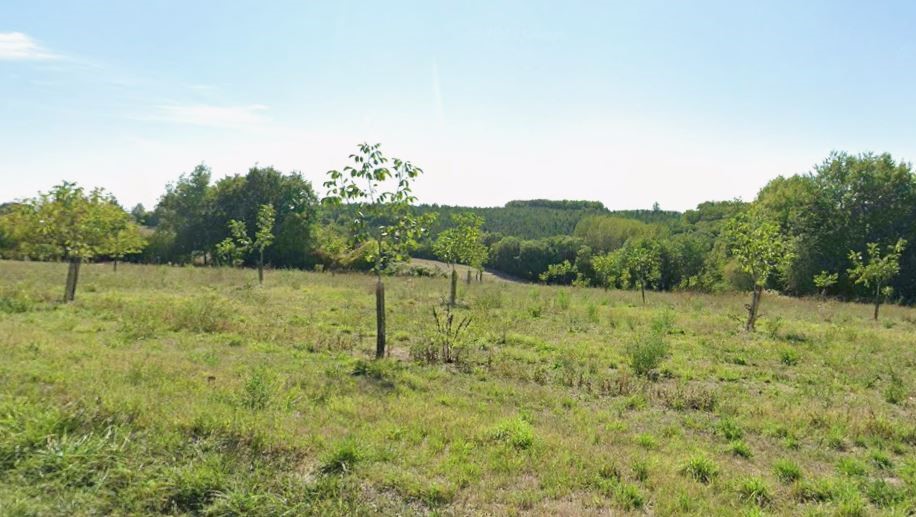
Dordogne, the heart of Périgord in Nouvelle-Aquitaine, is a timeless land cradled by a mild oceanic climate with abundant sunshine, fostering prosperous agriculture for millennia. Renowned for its medieval castles, black truffles, and prestigious walnuts, this region with its clay-limestone terroir rich in Roman and medieval history features rolling landscapes where fruit arboriculture is an economic cornerstone. Allemans, a picturesque village in the Green Périgord, embodies the essence of vibrant, sustainable rurality.
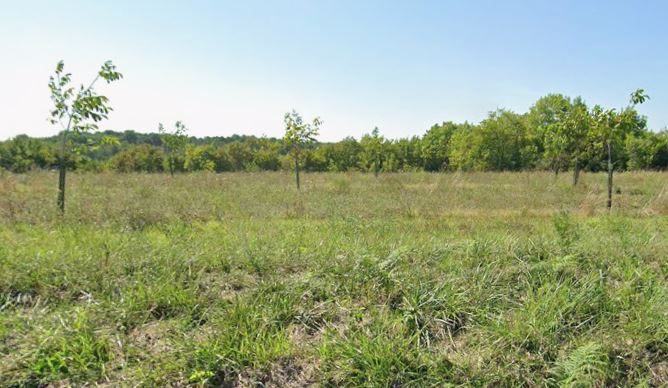
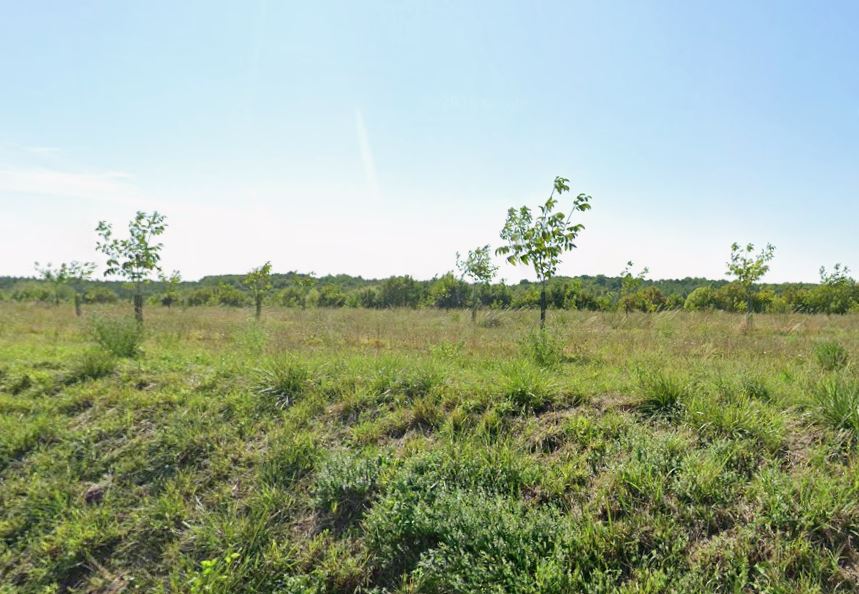
Patrick and Lydia Busselet plan to plant 3.9 hectares of Walnut trees in February 2023. The plots selected were previously undervalued by the farm. Planting permanent trees will sequester more CO2 throughout the year compared to a temporary crop. This project will make it possible to store 198.63 tonnes of CO2 equivalent*.
The soil will also be able to sequester more CO2 because it will no longer be worked each year. In addition, this new plantation will require little fertilizer and treatment compared to previous crops. This new cultural itinerary will contribute to avoiding emissions and makes the project even more virtuous.
The SCEA Busselet was cited as an example to follow within the Cerno cooperative for its pioneering practices in terms of mulching and the establishment of permanent grassy cover with high carbon sequestration potential. In fact, the farm uses sainfoin as the main herbaceous species for its grass around the trees, a species with strong growth preventing other undesirable plants from colonizing the plot. Its other advantages are the limitation of the evaporation of water falling on the ground, the restitution of nitrogen to the soil, and the melliferous interest for pollinating insects. Beehives have also been installed in the immediate vicinity of the orchard.
A project favorable to the environment: This plantation will be conducted in Organic Agriculture where only natural inputs are authorized. 100% of the orchard will be permanently grassed, which will help capture even more carbon and provide a stable habitat for soil and subsoil fauna.
The project responds to social and economic issues: Most walnut production will be sold locally in the Dordogne.
Water resource preservation: this orchard does not use irrigation, and its complete permanent grass cover allows for good rainwater retention.
* The final value of the estimate will only be established after verification by an independent auditor and an administrative verification decision.
 Label Bas Carbone
Examples: reducing the frequency of soil cultivation, minimalist plot preparation, restoring organic matter and preserving soil microfauna.
Examples: diversity and locality of crop species, preservation of habitat for local flora and fauna, presence of beehives for pollination.
Examples: territorial dynamics, societal demand, diversification of the activity, local sales/processing, working conditions, sharing of good practices.
Examples: Consideration of wetlands, use of adapted species, drip-connected irrigation tools.
SCEA Busselet PLM
SCEA Busselet PLM - Exploitation agricole cultivant entre autres des noyers
Read moreExtension of an orchard in Dordogne
Dordogne, the heart of Périgord in Nouvelle-Aquitaine, is a timeless land cradled by a mild oceanic climate with abundant sunshine, fostering prosperous agriculture for millennia. Renowned for its medieval castles, black truffles, and prestigious walnuts, this region with its clay-limestone terroir rich in Roman and medieval history features rolling landscapes where fruit arboriculture is an economic cornerstone. Allemans, a picturesque village in the Green Périgord, embodies the essence of vibrant, sustainable rurality.
Patrick and Lydia Busselet plan to plant 3.9 hectares of Walnut trees in February 2023. The plots selected were previously undervalued by the farm. Planting permanent trees will sequester more CO2 throughout the year compared to a temporary crop. This project will make it possible to store 198.63 tonnes of CO2 equivalent*.
The soil will also be able to sequester more CO2 because it will no longer be worked each year. In addition, this new plantation will require little fertilizer and treatment compared to previous crops. This new cultural itinerary will contribute to avoiding emissions and makes the project even more virtuous.
The SCEA Busselet was cited as an example to follow within the Cerno cooperative for its pioneering practices in terms of mulching and the establishment of permanent grassy cover with high carbon sequestration potential. In fact, the farm uses sainfoin as the main herbaceous species for its grass around the trees, a species with strong growth preventing other undesirable plants from colonizing the plot. Its other advantages are the limitation of the evaporation of water falling on the ground, the restitution of nitrogen to the soil, and the melliferous interest for pollinating insects. Beehives have also been installed in the immediate vicinity of the orchard.
A project favorable to the environment: This plantation will be conducted in Organic Agriculture where only natural inputs are authorized. 100% of the orchard will be permanently grassed, which will help capture even more carbon and provide a stable habitat for soil and subsoil fauna.
The project responds to social and economic issues: Most walnut production will be sold locally in the Dordogne.
Water resource preservation: this orchard does not use irrigation, and its complete permanent grass cover allows for good rainwater retention.
* The final value of the estimate will only be established after verification by an independent auditor and an administrative verification decision.