
 Label Bas Carbone
Examples: reducing the frequency of soil cultivation, minimalist plot preparation, restoring organic matter and preserving soil microfauna.

Examples: diversity and locality of crop species, preservation of habitat for local flora and fauna, presence of beehives for pollination.

Examples: Consideration of wetlands, use of adapted species, drip-connected irrigation tools.

Examples: reduction of energy consumption of mobile and stationary installations, reduction of journeys, on-site energy production.
Examples: reduction in the use of chemical mineral fertilizers, phytosanitary products, measurement of crop needs in real time via predictive tools.
Improvement of the practices of a farm
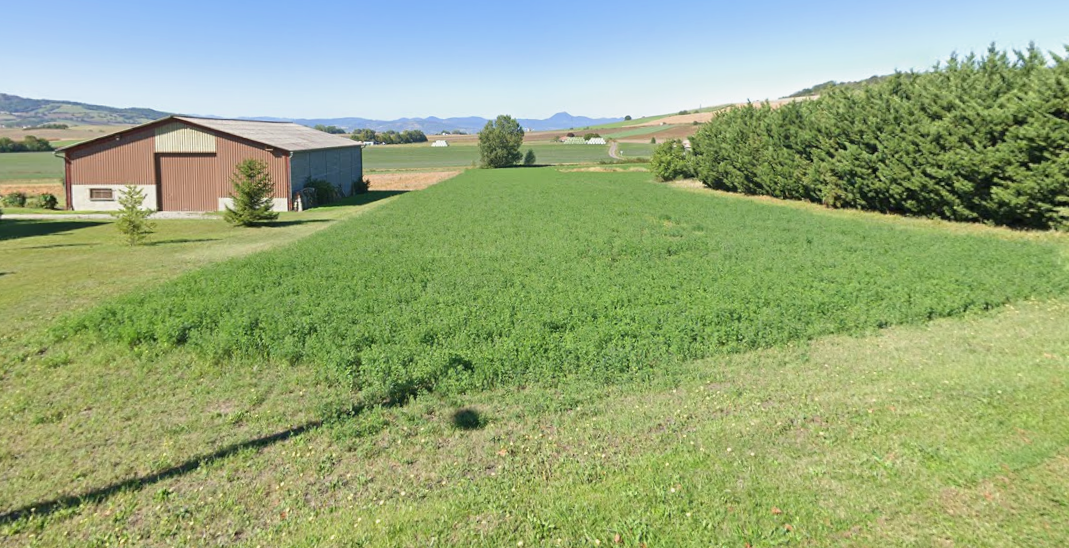
Located in the town of Chas, in the southeast of the Puy-de-Dôme department, Pierre Chouvy's farm is nestled in the emblematic Massif Central region. Puy-de-Dôme boasts a rich agricultural history, volcanic landscapes, and a longstanding tradition of mixed farming and livestock breeding. Its temperate climate, influenced by both continental and mountainous conditions, supports diverse crops and preserves natural grasslands. The local economy is built on agriculture, livestock, and the valorization of regional products such as AOP cheeses and ancient grains.
Thanks to this project, the operator wishes to go further in his approach for a diversified agriculture that is more respectful of the environment. By changing its practices, the operation will avoid the emission of 872.82 tonnes of CO2 equivalent per year, or 4364.1 tonnes over the 5 years of the project*.
Financing a project to reduce emissions in large scale crops makes it possible to reward reductions in emissions that are already effective depending on the progress of the project, unlike planting trees which will only sequester the CO2 expected in decades.
Switching the entire farm to permanent cover: This technique makes it possible to increase the nitrogen produced by the shredding of intercrops to reduce the dose of mineral nitrogen applied to the crops. In addition, the fact of keeping the soil permanently covered will improve the structure of the soil, in particular by promoting the infiltration of water during heavy rainfall and its retention.
Improvement of sowing techniques and the choice of species sown: The generalization of these covers will make it possible to have a permanently covered soil which will make it possible to increase the biomass and therefore the storage of carbon. In addition, this technique has a beneficial impact on the biodiversity that can shelter there.
Increase in the restitution of crop residues: Increase in carbon storage in the soil thanks to the return to the soil of cereal straw.
Lower energy consumption thanks to simplified tillage: Reduction in the number of passages of agricultural machinery with the elimination of straw harvesting work, reduction of plowing, increase in direct seeding and simplified techniques on the ground. operation to consume less fuel.
* The final value of the estimate will only be established after verification by an independent auditor and an administrative verification decision.
 Label Bas Carbone
Examples: reducing the frequency of soil cultivation, minimalist plot preparation, restoring organic matter and preserving soil microfauna.
Examples: diversity and locality of crop species, preservation of habitat for local flora and fauna, presence of beehives for pollination.
Examples: Consideration of wetlands, use of adapted species, drip-connected irrigation tools.
Examples: reduction of energy consumption of mobile and stationary installations, reduction of journeys, on-site energy production.
Examples: reduction in the use of chemical mineral fertilizers, phytosanitary products, measurement of crop needs in real time via predictive tools.
Improvement of the practices of a farm
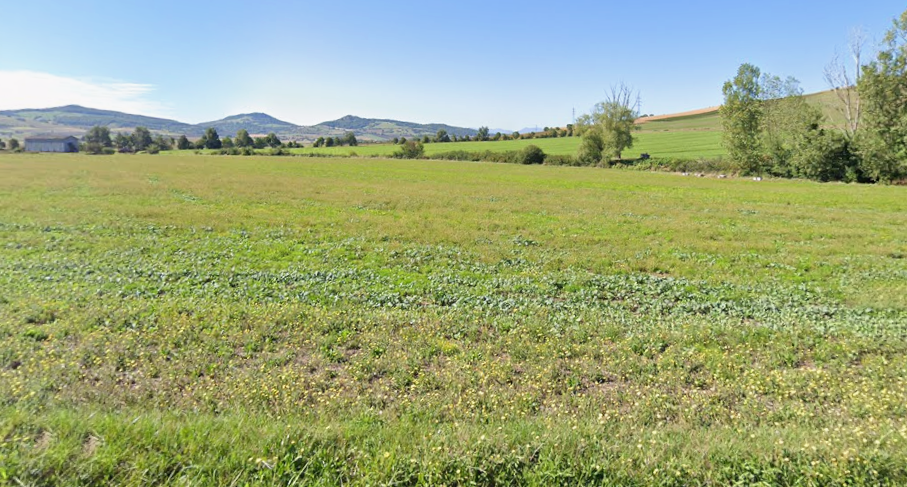
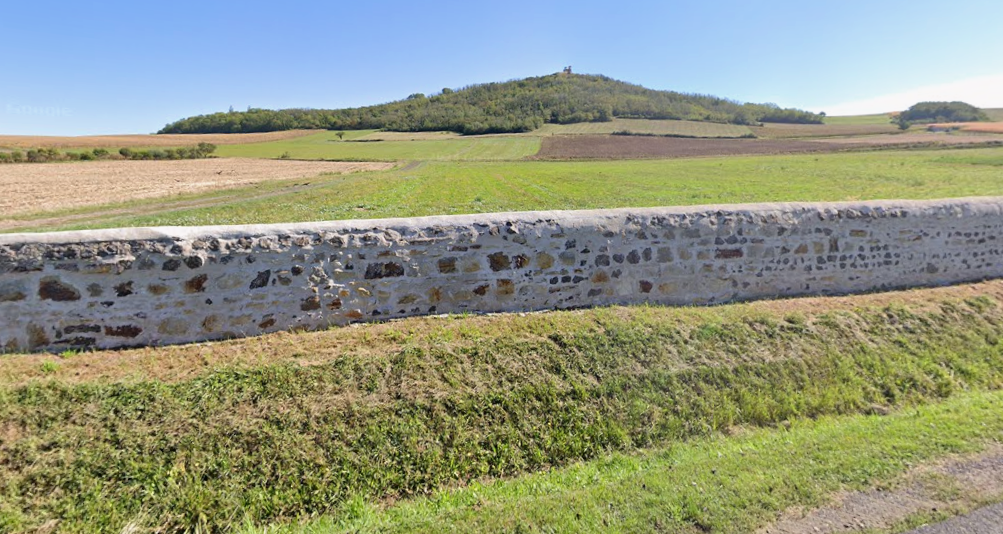
Located in the town of Chas, in the southeast of the Puy-de-Dôme department, Pierre Chouvy's farm is nestled in the emblematic Massif Central region. Puy-de-Dôme boasts a rich agricultural history, volcanic landscapes, and a longstanding tradition of mixed farming and livestock breeding. Its temperate climate, influenced by both continental and mountainous conditions, supports diverse crops and preserves natural grasslands. The local economy is built on agriculture, livestock, and the valorization of regional products such as AOP cheeses and ancient grains.
Thanks to this project, the operator wishes to go further in his approach for a diversified agriculture that is more respectful of the environment. By changing its practices, the operation will avoid the emission of 872.82 tonnes of CO2 equivalent per year, or 4364.1 tonnes over the 5 years of the project*.
Financing a project to reduce emissions in large scale crops makes it possible to reward reductions in emissions that are already effective depending on the progress of the project, unlike planting trees which will only sequester the CO2 expected in decades.
Switching the entire farm to permanent cover: This technique makes it possible to increase the nitrogen produced by the shredding of intercrops to reduce the dose of mineral nitrogen applied to the crops. In addition, the fact of keeping the soil permanently covered will improve the structure of the soil, in particular by promoting the infiltration of water during heavy rainfall and its retention.
Improvement of sowing techniques and the choice of species sown: The generalization of these covers will make it possible to have a permanently covered soil which will make it possible to increase the biomass and therefore the storage of carbon. In addition, this technique has a beneficial impact on the biodiversity that can shelter there.
Increase in the restitution of crop residues: Increase in carbon storage in the soil thanks to the return to the soil of cereal straw.
Lower energy consumption thanks to simplified tillage: Reduction in the number of passages of agricultural machinery with the elimination of straw harvesting work, reduction of plowing, increase in direct seeding and simplified techniques on the ground. operation to consume less fuel.
* The final value of the estimate will only be established after verification by an independent auditor and an administrative verification decision.