
 Label Bas Carbone
Examples: expansion of forests close to urban and peri-urban areas, use of wood materials to naturally regulate humidity.

Examples: reducing the frequency of soil cultivation, minimalist plot preparation, restoring organic matter and preserving soil microfauna.

Examples: diversity and locality of crop species, preservation of habitat for local flora and fauna, presence of beehives for pollination.

Examples: territorial dynamics, societal demand, diversification of the activity, local sales/processing, working conditions, sharing of good practices.

Examples: Consideration of wetlands, use of adapted species, drip-connected irrigation tools.
GF Avenir Forêt - The purpose of this ecological forestry group is to bring individuals together to buy forests that are managed in an economically, ecologically and socially sustainable way.
Read moreCreation of 6.2 hectares of forest
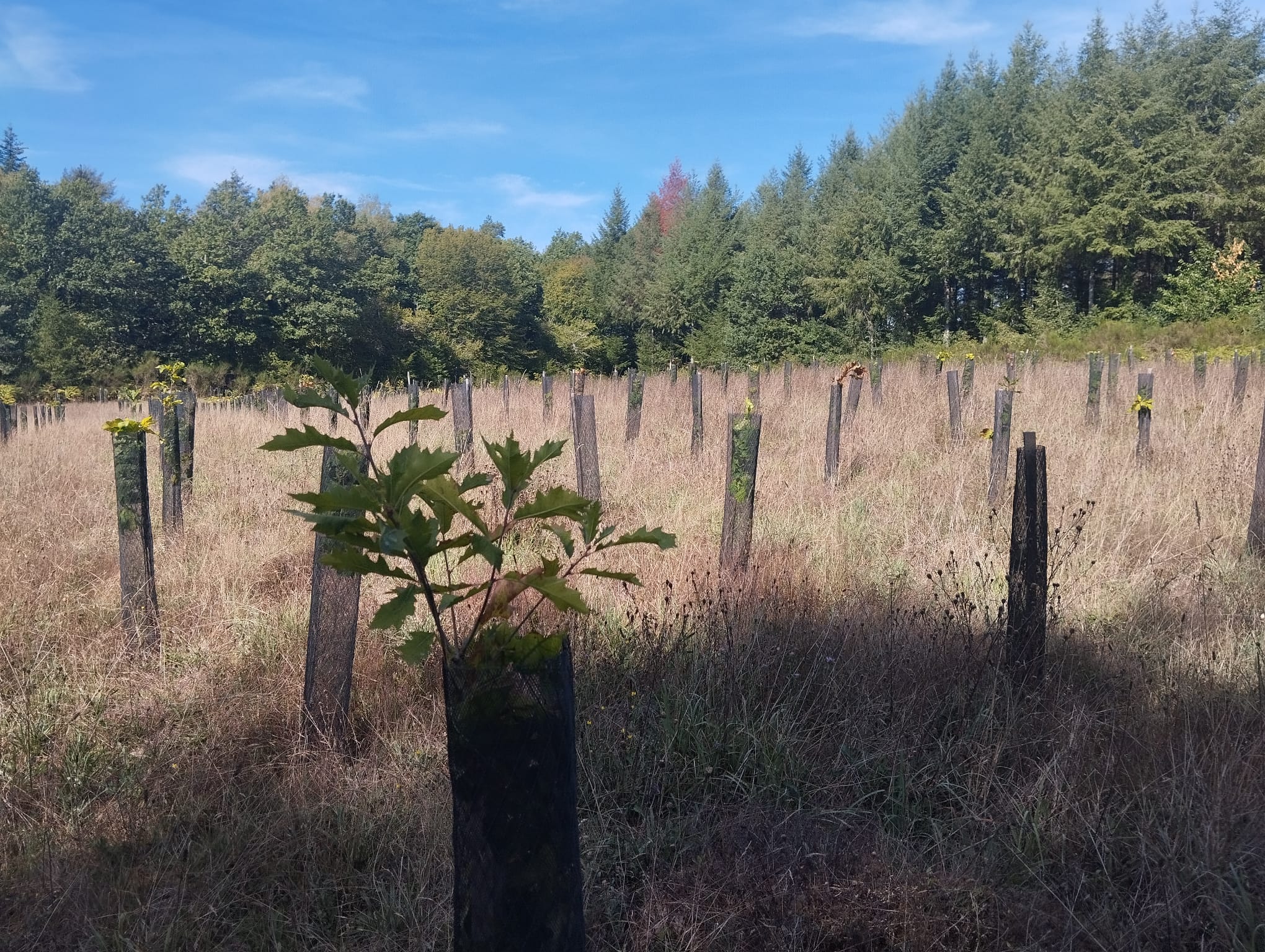
The Groupement Forestier Avenir Forêt is carrying out a project to afforest agricultural meadows that are currently undervalued and adjoin existing forests. This afforestation project will make it possible to further extend these forests over 6.2 hectares, using a diversified mix of species. The planting is planned for the winter of 2023-2024 and will sequester 2329 tons of CO2eq in 30 years*.
Biodiversity: 6 different species were selected for this afforestation: sessile oak, pubescent oak, American red oak, black alder, Douglas fir and sycamore maple. The choice of species has been studied to resist global warming while being adapted to current conditions. The vast majority of the afforestation is therefore made up of deciduous trees and the existing edges of wood will be preserved.
Socio-economic: PEFC certification is planned for this plantation in order to guarantee its sustainable management and a local forestry work company has been selected.
Better air quality: The project will also contribute to improving the air quality of the Community of Agglomeration Tulle Agglo.
Soil preservation: The plot will be prepared for planting with tillage in pots worked. This limits the impact on soil life and avoids releasing the carbon contained therein into organic matter.
Preservation of water resources: The project is bordered in places by wetlands where only suitable species will be planted to preserve them: no conifers and only species that tolerate humidity.
* The final value of the estimate will only be established after verification by an independent auditor and an administrative verification decision.
 Label Bas Carbone
Examples: expansion of forests close to urban and peri-urban areas, use of wood materials to naturally regulate humidity.
Examples: reducing the frequency of soil cultivation, minimalist plot preparation, restoring organic matter and preserving soil microfauna.
Examples: diversity and locality of crop species, preservation of habitat for local flora and fauna, presence of beehives for pollination.
Examples: territorial dynamics, societal demand, diversification of the activity, local sales/processing, working conditions, sharing of good practices.
Examples: Consideration of wetlands, use of adapted species, drip-connected irrigation tools.
GF Avenir Forêt - The purpose of this ecological forestry group is to bring individuals together to buy forests that are managed in an economically, ecologically and socially sustainable way.
Read moreCreation of 6.2 hectares of forest
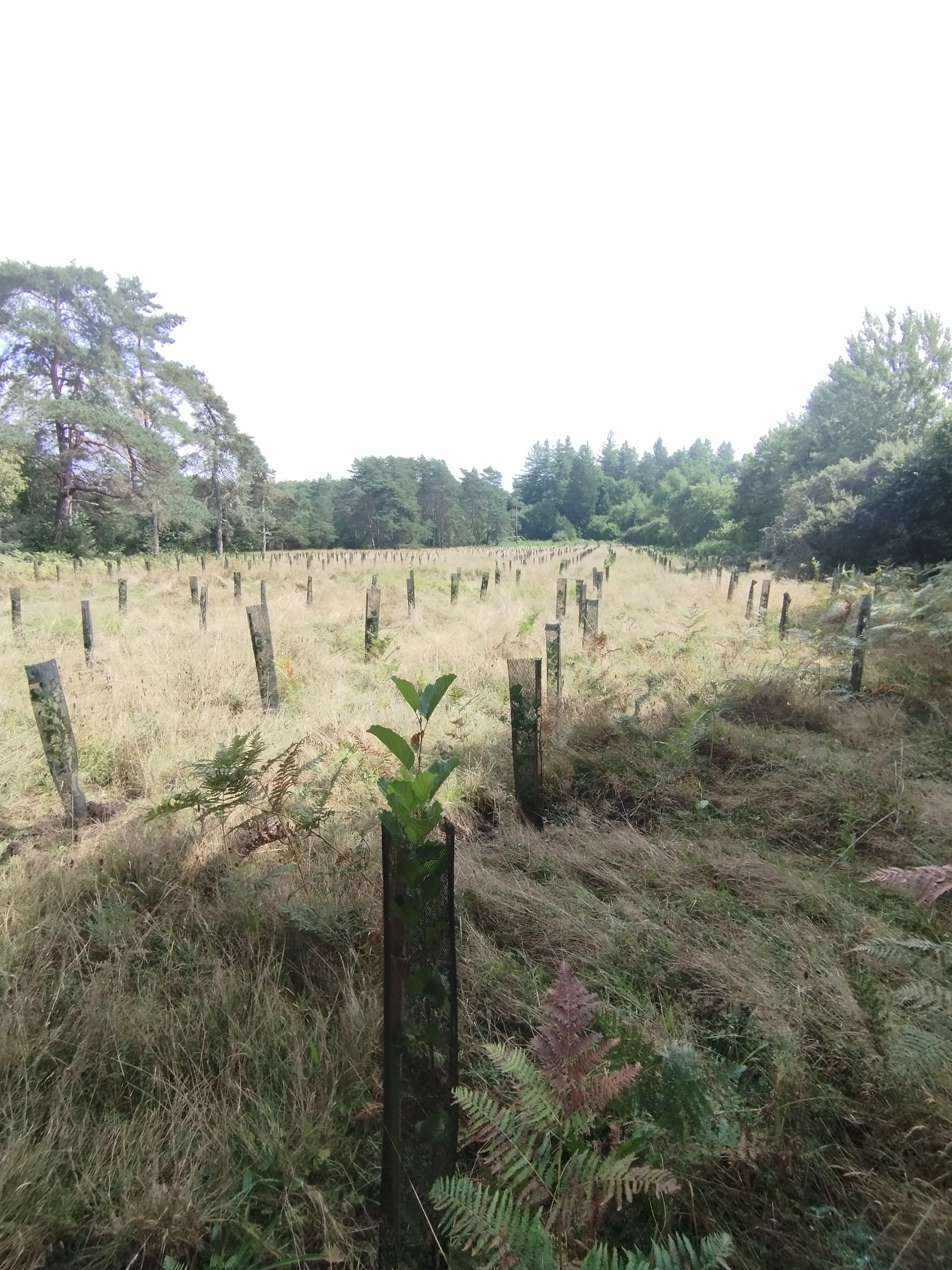
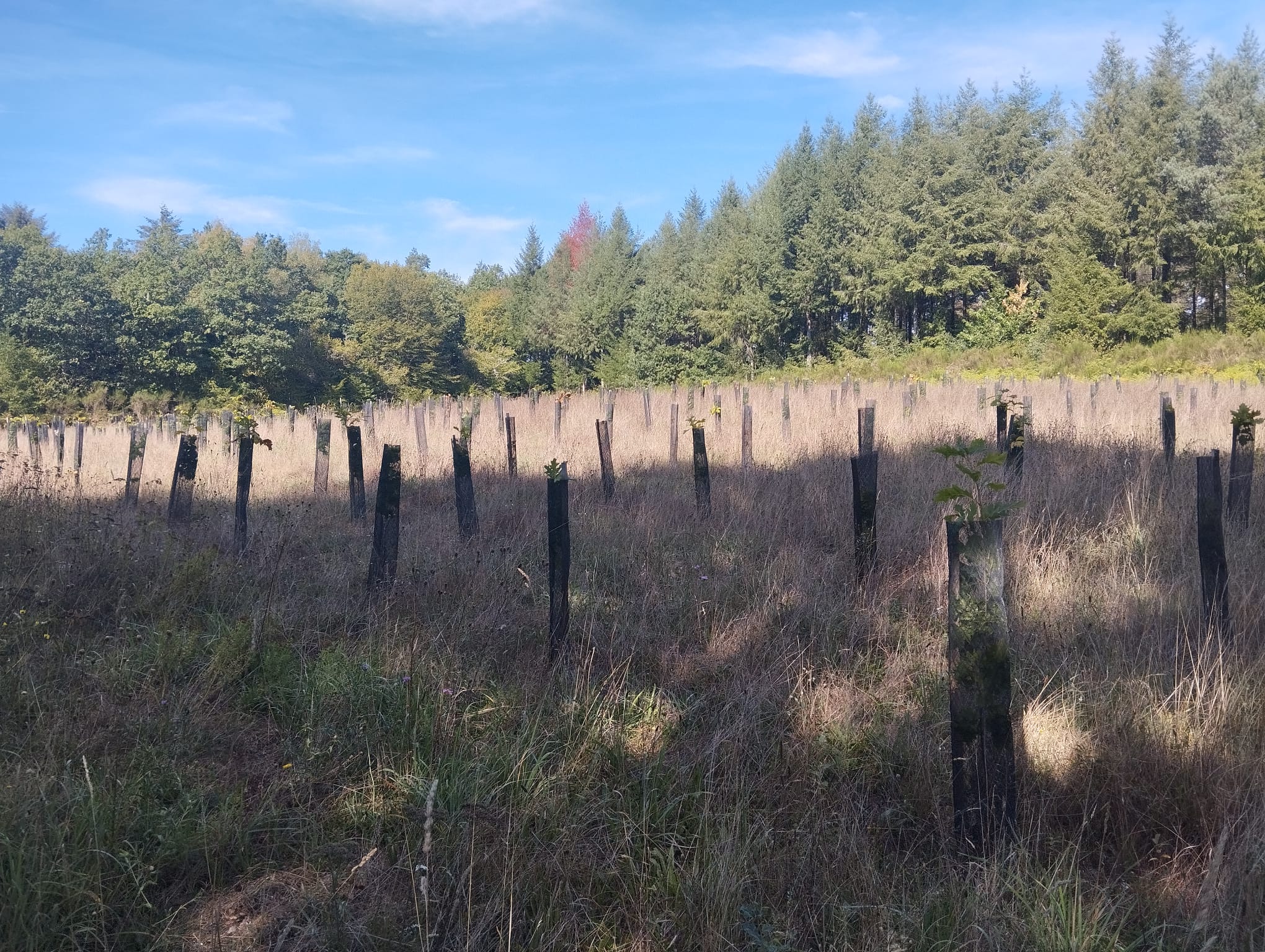
The Groupement Forestier Avenir Forêt is carrying out a project to afforest agricultural meadows that are currently undervalued and adjoin existing forests. This afforestation project will make it possible to further extend these forests over 6.2 hectares, using a diversified mix of species. The planting is planned for the winter of 2023-2024 and will sequester 2329 tons of CO2eq in 30 years*.
Biodiversity: 6 different species were selected for this afforestation: sessile oak, pubescent oak, American red oak, black alder, Douglas fir and sycamore maple. The choice of species has been studied to resist global warming while being adapted to current conditions. The vast majority of the afforestation is therefore made up of deciduous trees and the existing edges of wood will be preserved.
Socio-economic: PEFC certification is planned for this plantation in order to guarantee its sustainable management and a local forestry work company has been selected.
Better air quality: The project will also contribute to improving the air quality of the Community of Agglomeration Tulle Agglo.
Soil preservation: The plot will be prepared for planting with tillage in pots worked. This limits the impact on soil life and avoids releasing the carbon contained therein into organic matter.
Preservation of water resources: The project is bordered in places by wetlands where only suitable species will be planted to preserve them: no conifers and only species that tolerate humidity.
* The final value of the estimate will only be established after verification by an independent auditor and an administrative verification decision.