
 Label Bas Carbone
Examples: reducing the frequency of soil cultivation, minimalist plot preparation, restoring organic matter and preserving soil microfauna.

Examples: Consideration of wetlands, use of adapted species, drip-connected irrigation tools.

Examples: reduction in the use of chemical mineral fertilizers, phytosanitary products, measurement of crop needs in real time via predictive tools.
EARL Fauqueux
EARL Fauqueux - Exploitation majoritairement en grandes cultures
Read more
GIEE H3AU+ - Farmers' association in the Oise region to amplify the agroecological levers on farms.
Read moreImprovement of farming practices on 101 ha of field crops in the Oise.
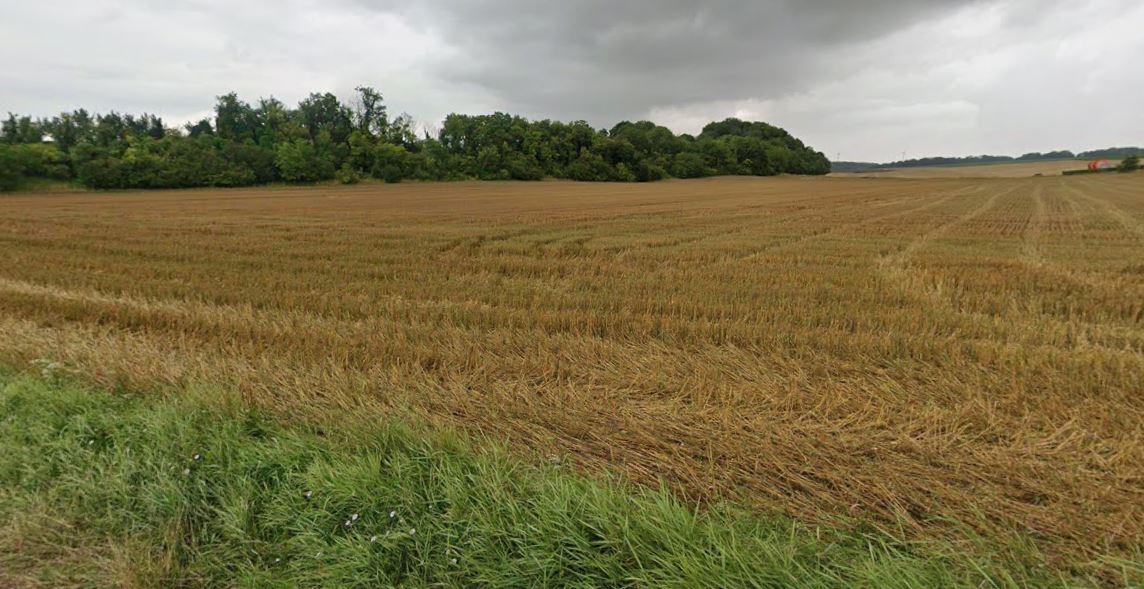
Chepoix, a charming village in the Oise department in Picardy, is nestled in the heart of fertile plains that embody this region's historic agricultural terroir. The Oise, with its rich loamy soils and temperate oceanic climate, has been a stronghold of arable farming for centuries, its economy dominated by cereal and sugar beet crops. Historically, Picardy has fed France through ancestral crop rotations, shaped by a mild climate with regular rainfall that supports high yields.
Mr. Senez has a diversified farm, he has been engaged in a process of reducing synthetic fertilizers for several years to respond to an economic and environmental problem. As part of this project, the operator wishes to go further in this approach and set up additional and complementary levers on its operation. By changing its practices, the operation will avoid the emission of 88.14 tonnes of CO2 equivalent per year, or 440.7 tonnes over the 5 years of the project*.
Financing a project to reduce emissions in large scale crops makes it possible to reward reductions in emissions that are already effective depending on the progress of the project, unlike planting trees which will only sequester the CO2 expected in decades.
Reduction of greenhouse gas emissions linked to fertilization:
- Reduction of the dose of mineral nitrogen applied to crops through better optimization of inputs (decision support tools, adjustment of yield objectives, etc.).
- Increase in the nitrogen produced by intercrops to reduce the dose of mineral or organic nitrogen applied to the crops.
Increased carbon storage in soils:
- Increase in the areas sown with intermediate crops or catch crops, allowing an increase in cover which is favorable to water retention and limiting erosion. Increased sequestration in biomass.
* The final value of the estimate will only be established after verification by an independent auditor and an administrative verification decision.
 Label Bas Carbone
Examples: reducing the frequency of soil cultivation, minimalist plot preparation, restoring organic matter and preserving soil microfauna.
Examples: Consideration of wetlands, use of adapted species, drip-connected irrigation tools.
Examples: reduction in the use of chemical mineral fertilizers, phytosanitary products, measurement of crop needs in real time via predictive tools.
EARL Fauqueux
EARL Fauqueux - Exploitation majoritairement en grandes cultures
Read moreGIEE H3AU+ - Farmers' association in the Oise region to amplify the agroecological levers on farms.
Read moreImprovement of farming practices on 101 ha of field crops in the Oise.
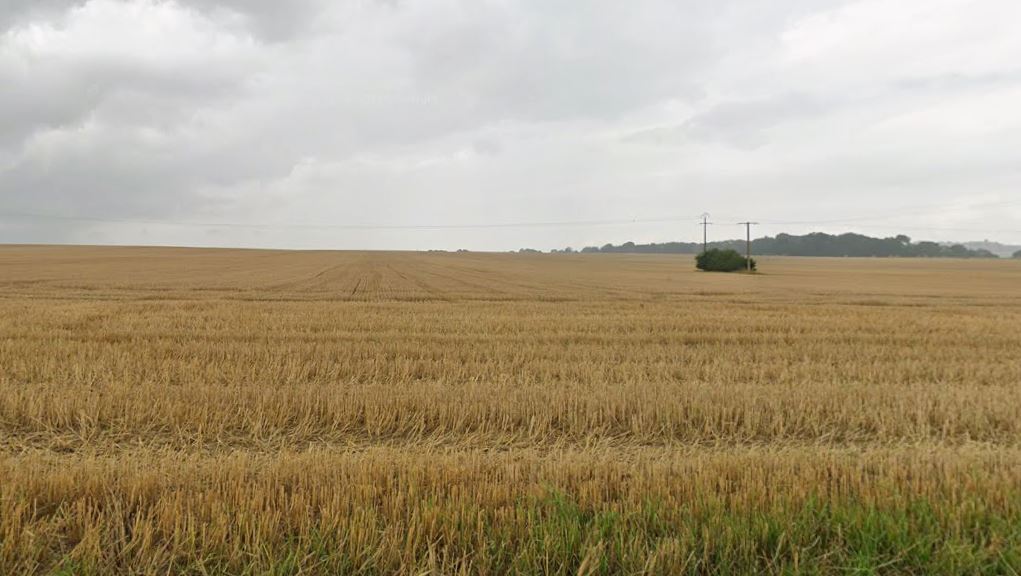
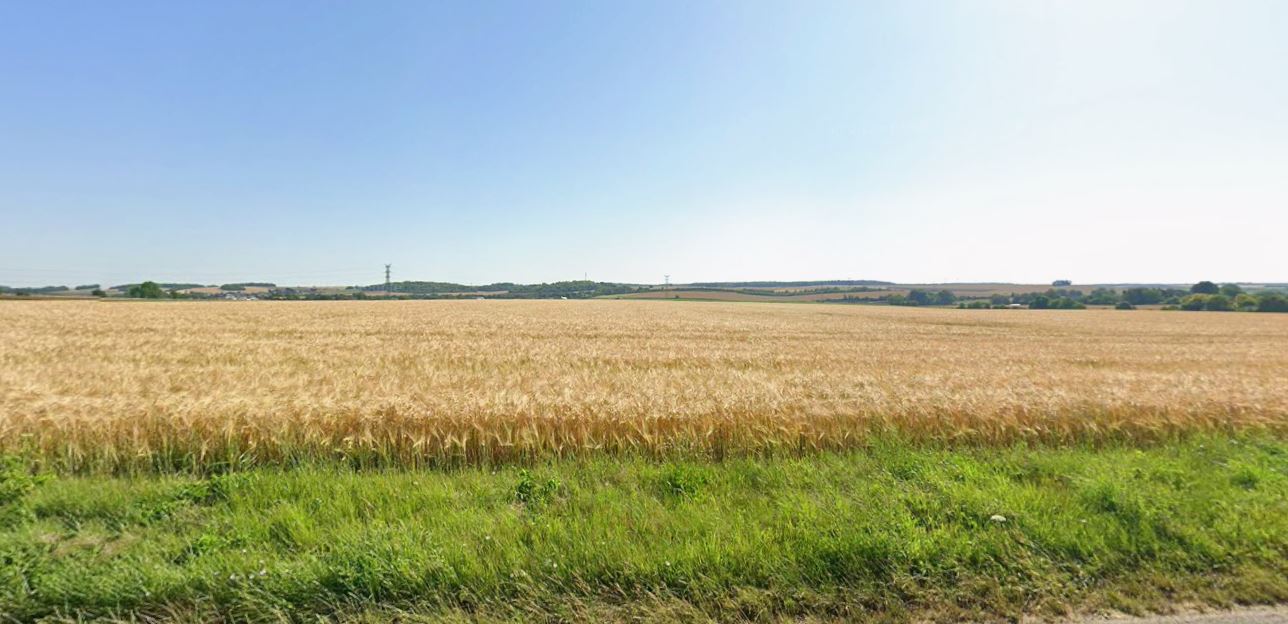
Chepoix, a charming village in the Oise department in Picardy, is nestled in the heart of fertile plains that embody this region's historic agricultural terroir. The Oise, with its rich loamy soils and temperate oceanic climate, has been a stronghold of arable farming for centuries, its economy dominated by cereal and sugar beet crops. Historically, Picardy has fed France through ancestral crop rotations, shaped by a mild climate with regular rainfall that supports high yields.
Mr. Senez has a diversified farm, he has been engaged in a process of reducing synthetic fertilizers for several years to respond to an economic and environmental problem. As part of this project, the operator wishes to go further in this approach and set up additional and complementary levers on its operation. By changing its practices, the operation will avoid the emission of 88.14 tonnes of CO2 equivalent per year, or 440.7 tonnes over the 5 years of the project*.
Financing a project to reduce emissions in large scale crops makes it possible to reward reductions in emissions that are already effective depending on the progress of the project, unlike planting trees which will only sequester the CO2 expected in decades.
Reduction of greenhouse gas emissions linked to fertilization:
- Reduction of the dose of mineral nitrogen applied to crops through better optimization of inputs (decision support tools, adjustment of yield objectives, etc.).
- Increase in the nitrogen produced by intercrops to reduce the dose of mineral or organic nitrogen applied to the crops.
Increased carbon storage in soils:
- Increase in the areas sown with intermediate crops or catch crops, allowing an increase in cover which is favorable to water retention and limiting erosion. Increased sequestration in biomass.
* The final value of the estimate will only be established after verification by an independent auditor and an administrative verification decision.