
 Label Bas Carbone
Examples: reducing the frequency of soil cultivation, minimalist plot preparation, restoring organic matter and preserving soil microfauna.

Examples: reduction in the use of chemical mineral fertilizers, phytosanitary products, measurement of crop needs in real time via predictive tools.
Improving farming practices on 68 ha of field crops in Seine-Maritime.
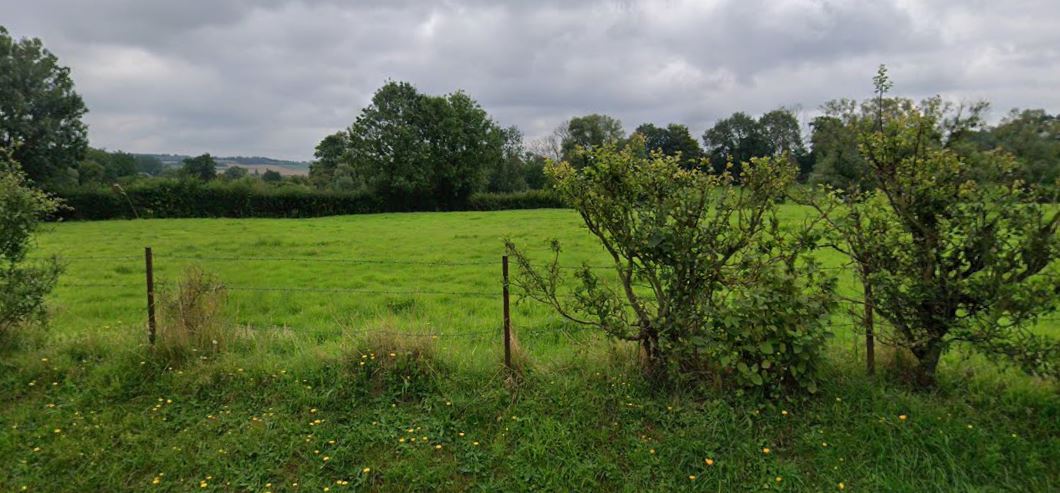
The EARL Galhaut Minel farm is located in Neufchâtel-en-Bray in the Seine-Maritime region of France. With this project, the farmer aims to take his approach to diversified, more environmentally-friendly agriculture a step further. By changing its practices, the farm will avoid the emission of 168.45 tonnes of CO2 equivalent per year, i.e. 842.25 tonnes over the 5 years of the project*.
Reduce greenhouse gas emissions linked to fertilization:
- Introduction of new crops in the rotation with lower nitrogen requirements (legumes).
- Reduce nitrogen volatilization from organic fertilizers: reduce burial times, change equipment used.
Increase soil carbon storage:
- Improve sowing techniques and species to increase the biomass produced by long intercrops.
- Increase organic inputs to crops.
- Increase crop residue restitution (restitution frequency or main crop yields).
The final value of the estimate will only be established after verification by an independent auditor and an administrative verification decision.
 Label Bas Carbone
Examples: reducing the frequency of soil cultivation, minimalist plot preparation, restoring organic matter and preserving soil microfauna.
Examples: reduction in the use of chemical mineral fertilizers, phytosanitary products, measurement of crop needs in real time via predictive tools.
Improving farming practices on 68 ha of field crops in Seine-Maritime.
The EARL Galhaut Minel farm is located in Neufchâtel-en-Bray in the Seine-Maritime region of France. With this project, the farmer aims to take his approach to diversified, more environmentally-friendly agriculture a step further. By changing its practices, the farm will avoid the emission of 168.45 tonnes of CO2 equivalent per year, i.e. 842.25 tonnes over the 5 years of the project*.
Reduce greenhouse gas emissions linked to fertilization:
- Introduction of new crops in the rotation with lower nitrogen requirements (legumes).
- Reduce nitrogen volatilization from organic fertilizers: reduce burial times, change equipment used.
Increase soil carbon storage:
- Improve sowing techniques and species to increase the biomass produced by long intercrops.
- Increase organic inputs to crops.
- Increase crop residue restitution (restitution frequency or main crop yields).
The final value of the estimate will only be established after verification by an independent auditor and an administrative verification decision.