
 Label Bas Carbone
Examples: reducing the frequency of soil cultivation, minimalist plot preparation, restoring organic matter and preserving soil microfauna.

Examples: territorial dynamics, societal demand, diversification of the activity, local sales/processing, working conditions, sharing of good practices.

Examples: Consideration of wetlands, use of adapted species, drip-connected irrigation tools.
Plantation of 5.99 hectares of hazelnut trees
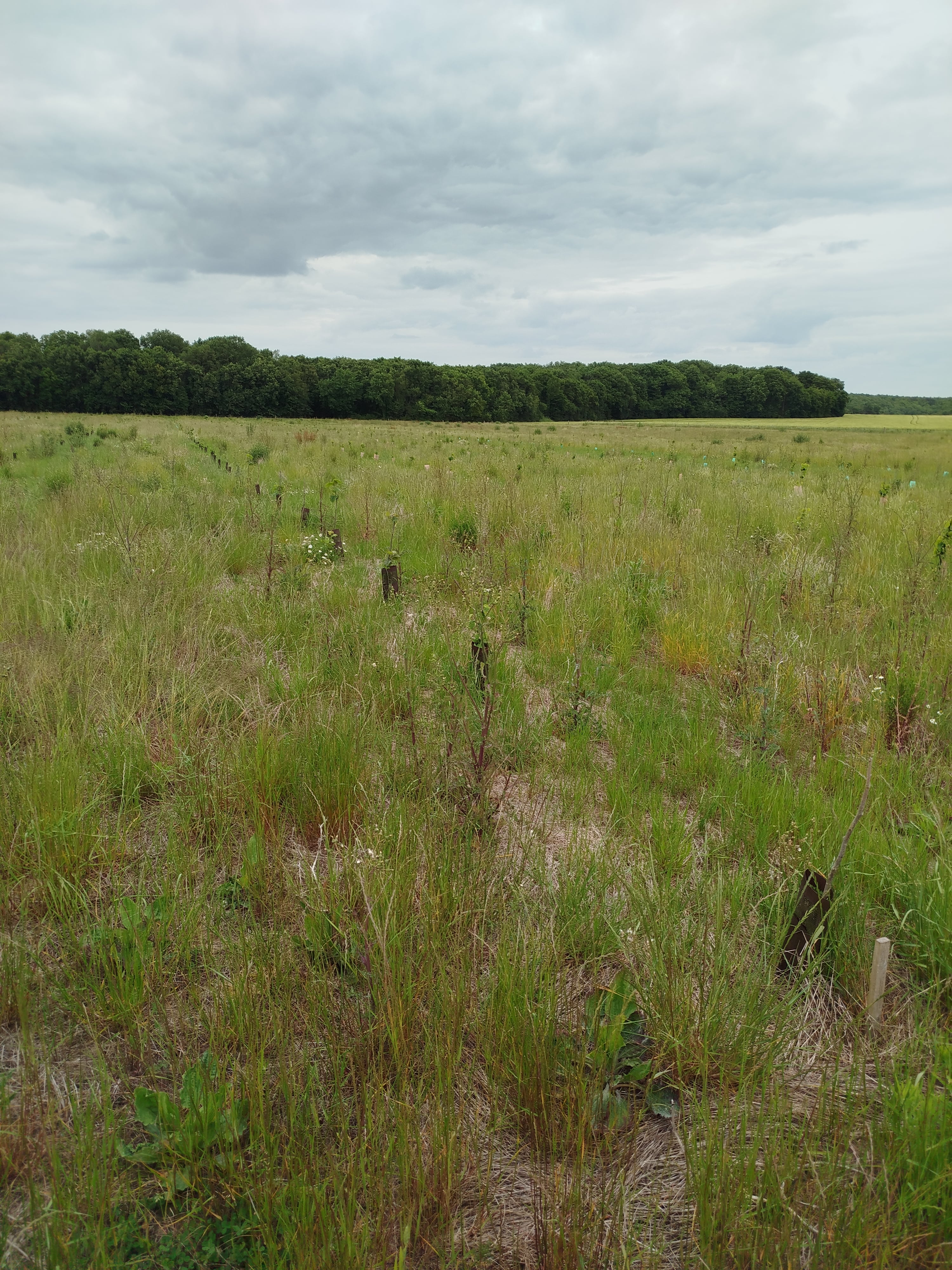
Mr. Emmanuel Guilly plans to expand his hazelnut cultivation by planting nearly 6 hectares of orchards in February 2024. Located in a rural area of the department, on a farm surrounded by forests and bordered by rivers, this orchard planting project fits perfectly into its environment. Faced with the limitations of a model primarily based on large-scale crops, project leader Mr. Gilly has initiated a transition towards diversifying his farm. Two hazelnut plantations have recently been established, and the farm is also launching a PGI green asparagus production facility. Mr. Guilly is a pioneer in his department in the development of hazelnut cultivation, with the help of the Unicoque producers' cooperative. The planned markets will be partly local through the cooperative, as well as locally through short supply chains for processing into spreadable paste.
Planting permanent trees will allow for more CO2 to be sequestered throughout the year compared to temporary cultivation. This project will store 276.29 tonnes of CO2 equivalent over 20 years*.
This project makes it possible to relocate the production of hazelnuts in France because this product is today mainly imported from abroad. A majority of the farm's hazelnut sales will be made in France.
The soil will also be able to sequester more CO2 because it will no longer be worked each year. In addition, this new plantation will require little fertilizer and treatment compared to previous crops. This new cultivation route will help to avoid emissions and makes the project even more virtuous.
Water resources will be used in small quantities because the orchards have a buried drip irrigation system which allows rational watering.
* The final value of the estimate will only be established after verification by an independent auditor and an administrative verification decision.
 Label Bas Carbone
Examples: reducing the frequency of soil cultivation, minimalist plot preparation, restoring organic matter and preserving soil microfauna.
Examples: territorial dynamics, societal demand, diversification of the activity, local sales/processing, working conditions, sharing of good practices.
Examples: Consideration of wetlands, use of adapted species, drip-connected irrigation tools.
Plantation of 5.99 hectares of hazelnut trees
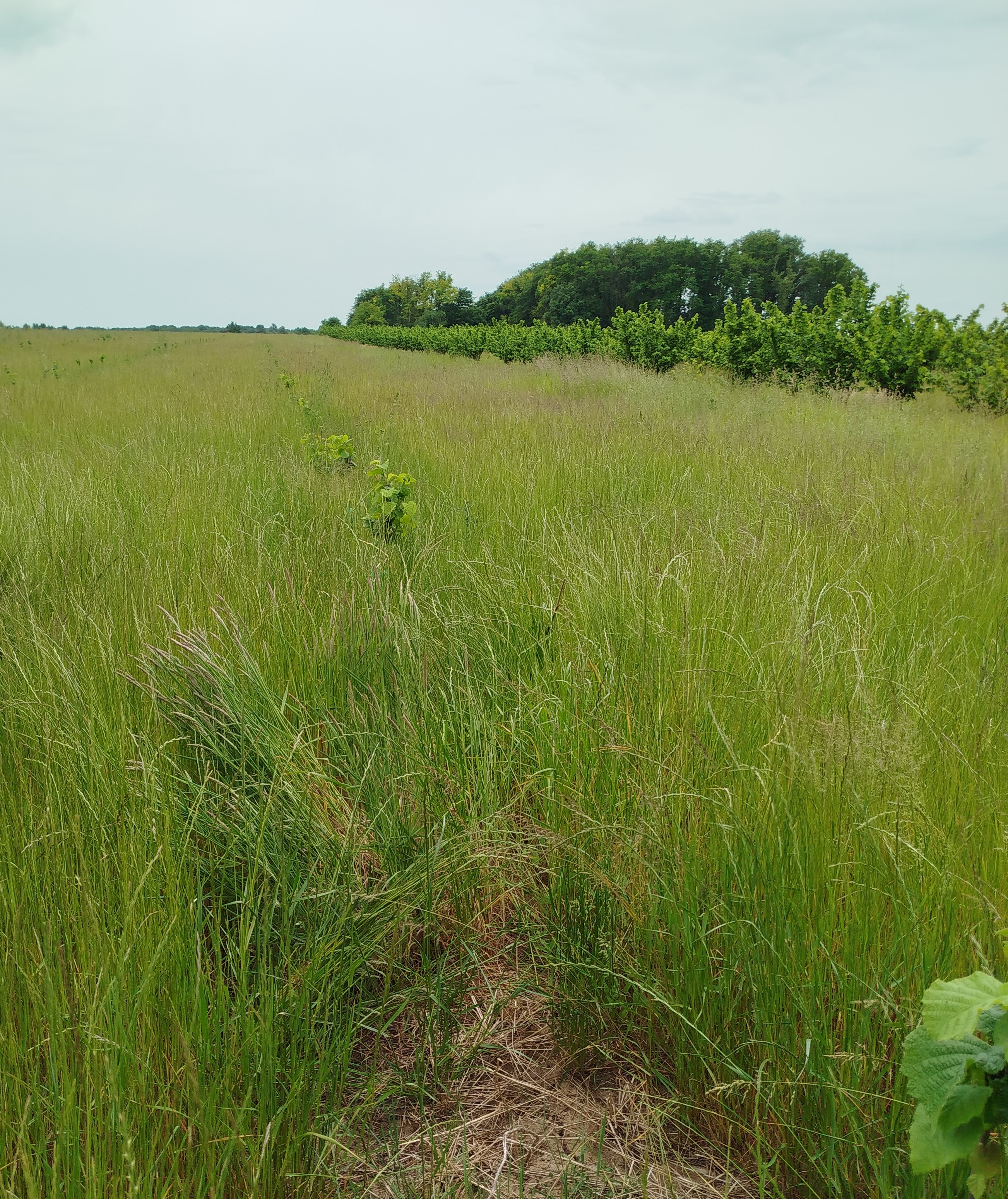
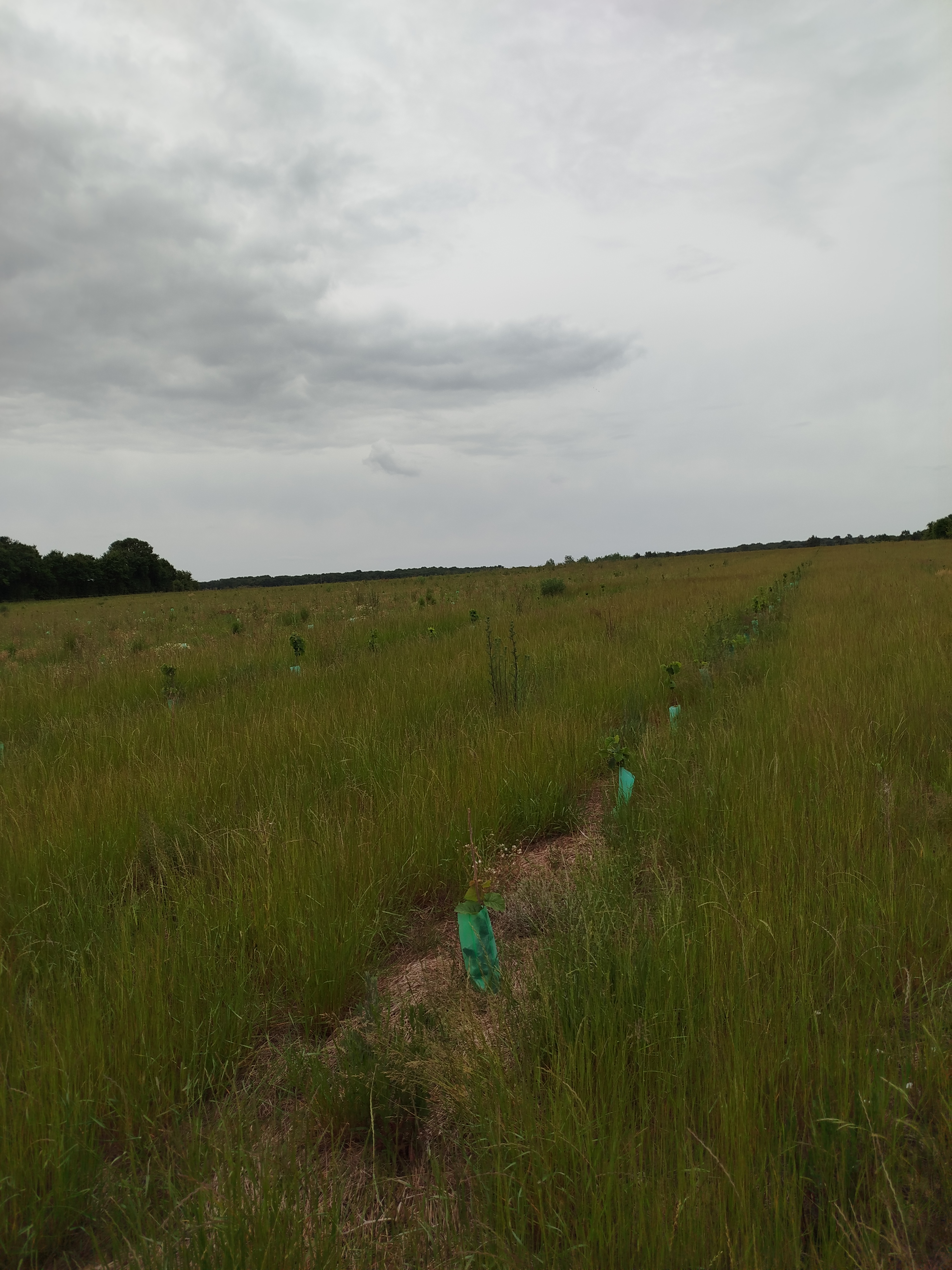
Mr. Emmanuel Guilly plans to expand his hazelnut cultivation by planting nearly 6 hectares of orchards in February 2024. Located in a rural area of the department, on a farm surrounded by forests and bordered by rivers, this orchard planting project fits perfectly into its environment. Faced with the limitations of a model primarily based on large-scale crops, project leader Mr. Gilly has initiated a transition towards diversifying his farm. Two hazelnut plantations have recently been established, and the farm is also launching a PGI green asparagus production facility. Mr. Guilly is a pioneer in his department in the development of hazelnut cultivation, with the help of the Unicoque producers' cooperative. The planned markets will be partly local through the cooperative, as well as locally through short supply chains for processing into spreadable paste.
Planting permanent trees will allow for more CO2 to be sequestered throughout the year compared to temporary cultivation. This project will store 276.29 tonnes of CO2 equivalent over 20 years*.
This project makes it possible to relocate the production of hazelnuts in France because this product is today mainly imported from abroad. A majority of the farm's hazelnut sales will be made in France.
The soil will also be able to sequester more CO2 because it will no longer be worked each year. In addition, this new plantation will require little fertilizer and treatment compared to previous crops. This new cultivation route will help to avoid emissions and makes the project even more virtuous.
Water resources will be used in small quantities because the orchards have a buried drip irrigation system which allows rational watering.
* The final value of the estimate will only be established after verification by an independent auditor and an administrative verification decision.