
 Label Bas Carbone
Examples: reducing the frequency of soil cultivation, minimalist plot preparation, restoring organic matter and preserving soil microfauna.

Examples: diversity and locality of crop species, preservation of habitat for local flora and fauna, presence of beehives for pollination.

Examples: territorial dynamics, societal demand, diversification of the activity, local sales/processing, working conditions, sharing of good practices.
Association actively participating in the reforestation of burnt plots in the Landes and Gironde.
Read moreReforestation following the fires of summer 2022 in Gironde
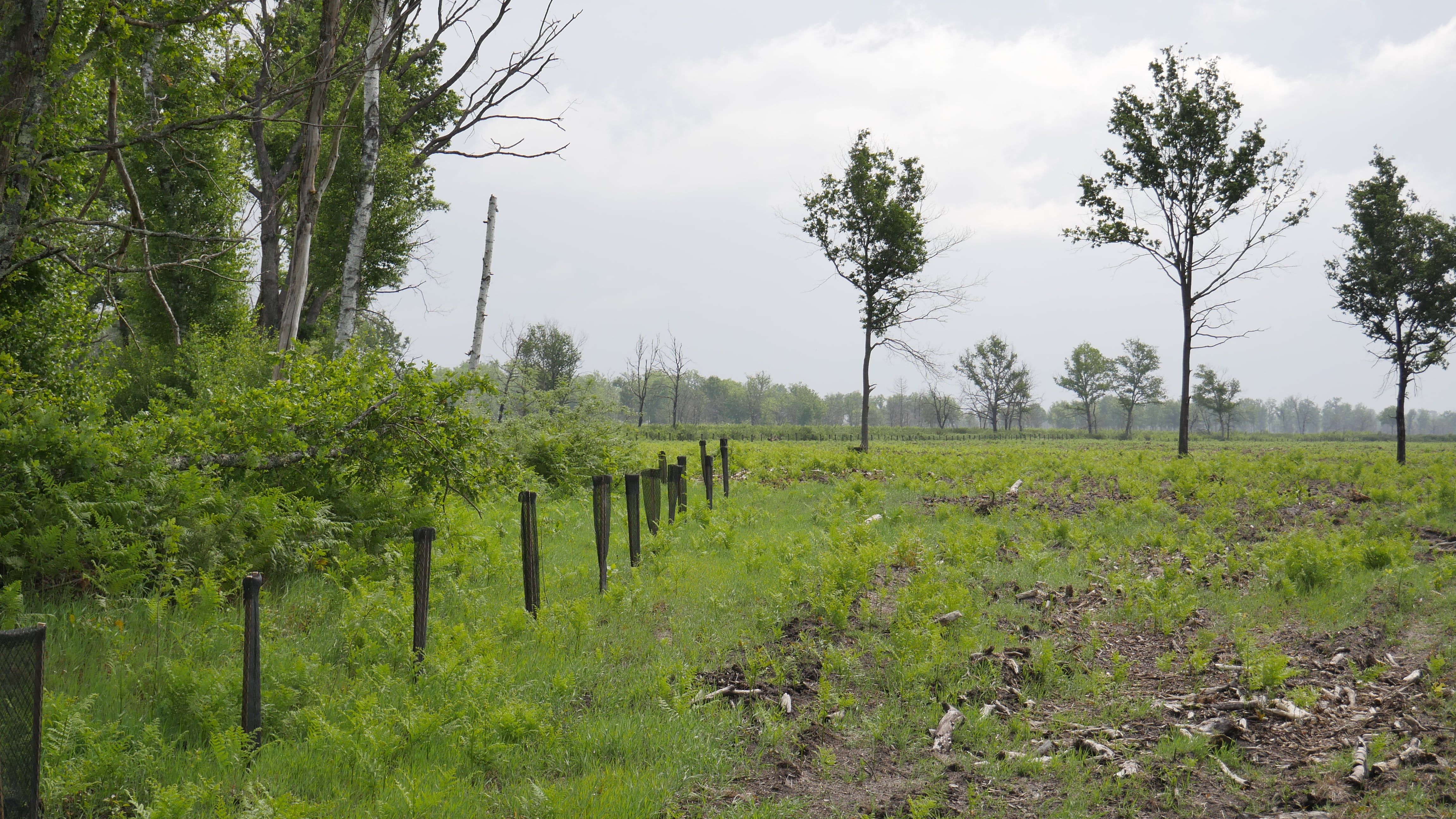
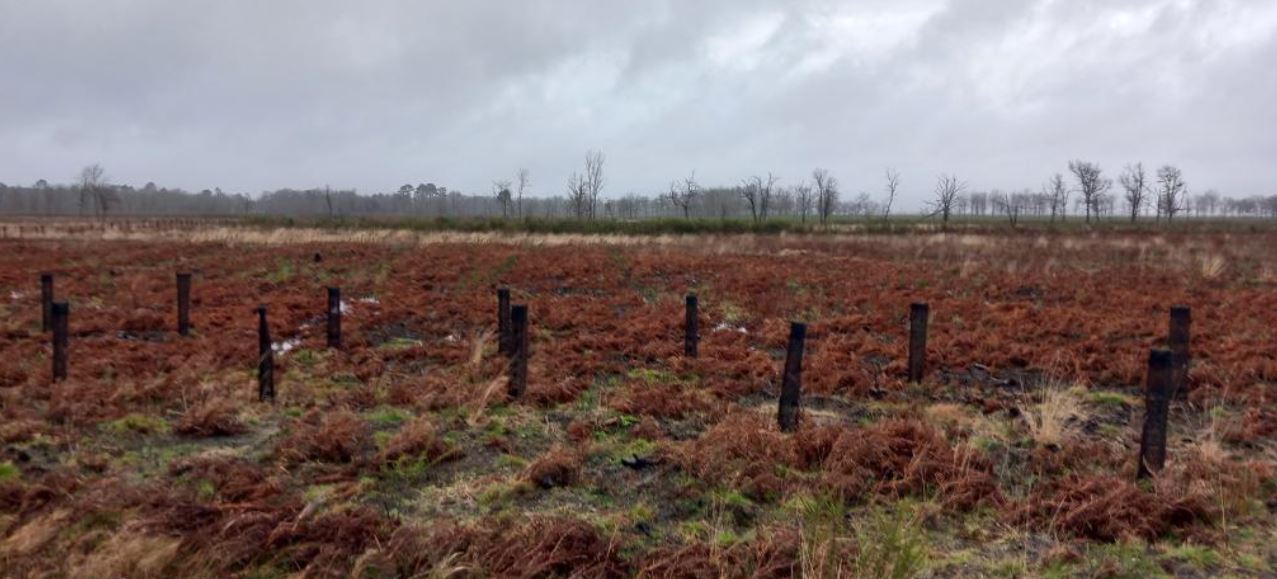
This project takes place in the town of Belin-Béliet in Gironde. The forests of this commune were ravaged by flames in July 2022. The initial plantation on these plots was decimated and died on the ground. The reforestation project consists of repopulating the area over 74 hectares with mainly maritime pine, adapted to local conditions: sandy, poor soil, and lots of sunshine. It will be accompanied by cork oak and tauzin oak on the periphery of the plot, the latter can have a “firebreak” effect and will bring diversity. 18886 tonnes of CO2eq will be sequestered over 30 years thanks to this project*.
This forest reforestation project, located in the Landes region, embodies an exemplary approach to post-wildfire restoration, combining the regeneration of destroyed stands with the careful preservation of remaining natural habitats. Along the edges of intact riparian forests, broadleaved trees have been deliberately preserved to maintain the ecological functions of adjacent wetlands. These areas host remarkable biodiversity, including the emblematic and protected white-clawed crayfish, as well as the European mink and the otter. By protecting what was not burned, the project goes beyond simple reforestation: it safeguards, enhances, and reconnects local ecological continuities. As such, it serves as a high-impact demonstration of Landes reforestation that respects natural dynamics and delivers tangible co-benefits for both biodiversity and climate.
The Landes de Gascogne Regional Natural Park has also joined this exemplary initiative and will monitor the evolution of the site in terms of fauna and flora. It will also finance additional planting work beyond the scope of this Label Bas-Carbone project, demonstrating a strong commitment to further diversifying and enriching the landscape.
- Local forestry companies will work on this project. The plantation will be PEFC certified.
-The soil will be little worked (strip work without plowing) and the burned trees will be completely crushed on site to restore organic matter and therefore carbon to the soil.
-Hardwood tree borders will be put in place along the roads and paths at the boundaries of the plots. Several healthy pedunculate oaks and silver birches are preserved at the edges of the plot following the fire.
-The owner has taken out forest insurance which covers reforestation in the event of a future fire.
* The final value of the estimate will only be established after verification by an independent auditor and an administrative verification decision.
 Label Bas Carbone
Examples: reducing the frequency of soil cultivation, minimalist plot preparation, restoring organic matter and preserving soil microfauna.
Examples: diversity and locality of crop species, preservation of habitat for local flora and fauna, presence of beehives for pollination.
Examples: territorial dynamics, societal demand, diversification of the activity, local sales/processing, working conditions, sharing of good practices.
Association actively participating in the reforestation of burnt plots in the Landes and Gironde.
Read moreReforestation following the fires of summer 2022 in Gironde
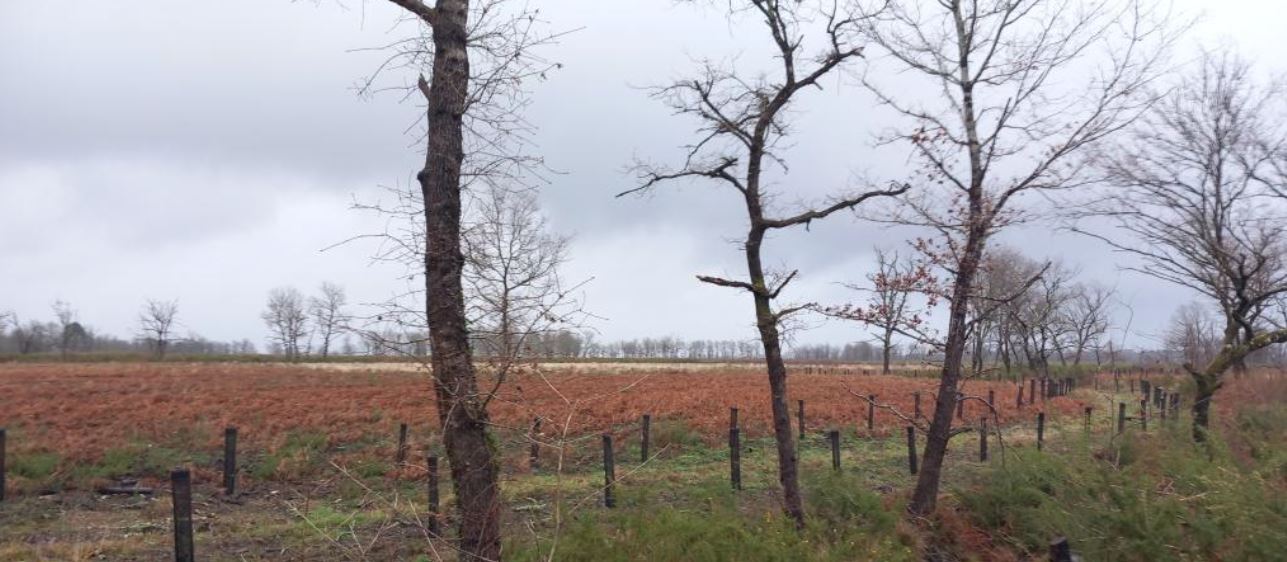
This project takes place in the town of Belin-Béliet in Gironde. The forests of this commune were ravaged by flames in July 2022. The initial plantation on these plots was decimated and died on the ground. The reforestation project consists of repopulating the area over 74 hectares with mainly maritime pine, adapted to local conditions: sandy, poor soil, and lots of sunshine. It will be accompanied by cork oak and tauzin oak on the periphery of the plot, the latter can have a “firebreak” effect and will bring diversity. 18886 tonnes of CO2eq will be sequestered over 30 years thanks to this project*.
This forest reforestation project, located in the Landes region, embodies an exemplary approach to post-wildfire restoration, combining the regeneration of destroyed stands with the careful preservation of remaining natural habitats. Along the edges of intact riparian forests, broadleaved trees have been deliberately preserved to maintain the ecological functions of adjacent wetlands. These areas host remarkable biodiversity, including the emblematic and protected white-clawed crayfish, as well as the European mink and the otter. By protecting what was not burned, the project goes beyond simple reforestation: it safeguards, enhances, and reconnects local ecological continuities. As such, it serves as a high-impact demonstration of Landes reforestation that respects natural dynamics and delivers tangible co-benefits for both biodiversity and climate.
The Landes de Gascogne Regional Natural Park has also joined this exemplary initiative and will monitor the evolution of the site in terms of fauna and flora. It will also finance additional planting work beyond the scope of this Label Bas-Carbone project, demonstrating a strong commitment to further diversifying and enriching the landscape.
- Local forestry companies will work on this project. The plantation will be PEFC certified.
-The soil will be little worked (strip work without plowing) and the burned trees will be completely crushed on site to restore organic matter and therefore carbon to the soil.
-Hardwood tree borders will be put in place along the roads and paths at the boundaries of the plots. Several healthy pedunculate oaks and silver birches are preserved at the edges of the plot following the fire.
-The owner has taken out forest insurance which covers reforestation in the event of a future fire.
* The final value of the estimate will only be established after verification by an independent auditor and an administrative verification decision.