
 Label Bas Carbone
Examples: reducing the frequency of soil cultivation, minimalist plot preparation, restoring organic matter and preserving soil microfauna.

Examples: diversity and locality of crop species, preservation of habitat for local flora and fauna, presence of beehives for pollination.

Examples: territorial dynamics, societal demand, diversification of the activity, local sales/processing, working conditions, sharing of good practices.

Examples: Consideration of wetlands, use of adapted species, drip-connected irrigation tools.
Creysse Experimental Station - Its role is to implement and carry out a Walnut experimentation program, favoring the sector aspect and responding to the technical concerns of producers and Producer Organizations, in particular grouped within the National AOP "Dynamic Walnuts". Its missions evolve to take into account the new technical and economic imperatives of the sector. The Station is a source of references and also a place of exchange which gives walnut production in the South-West the impetus it needs.
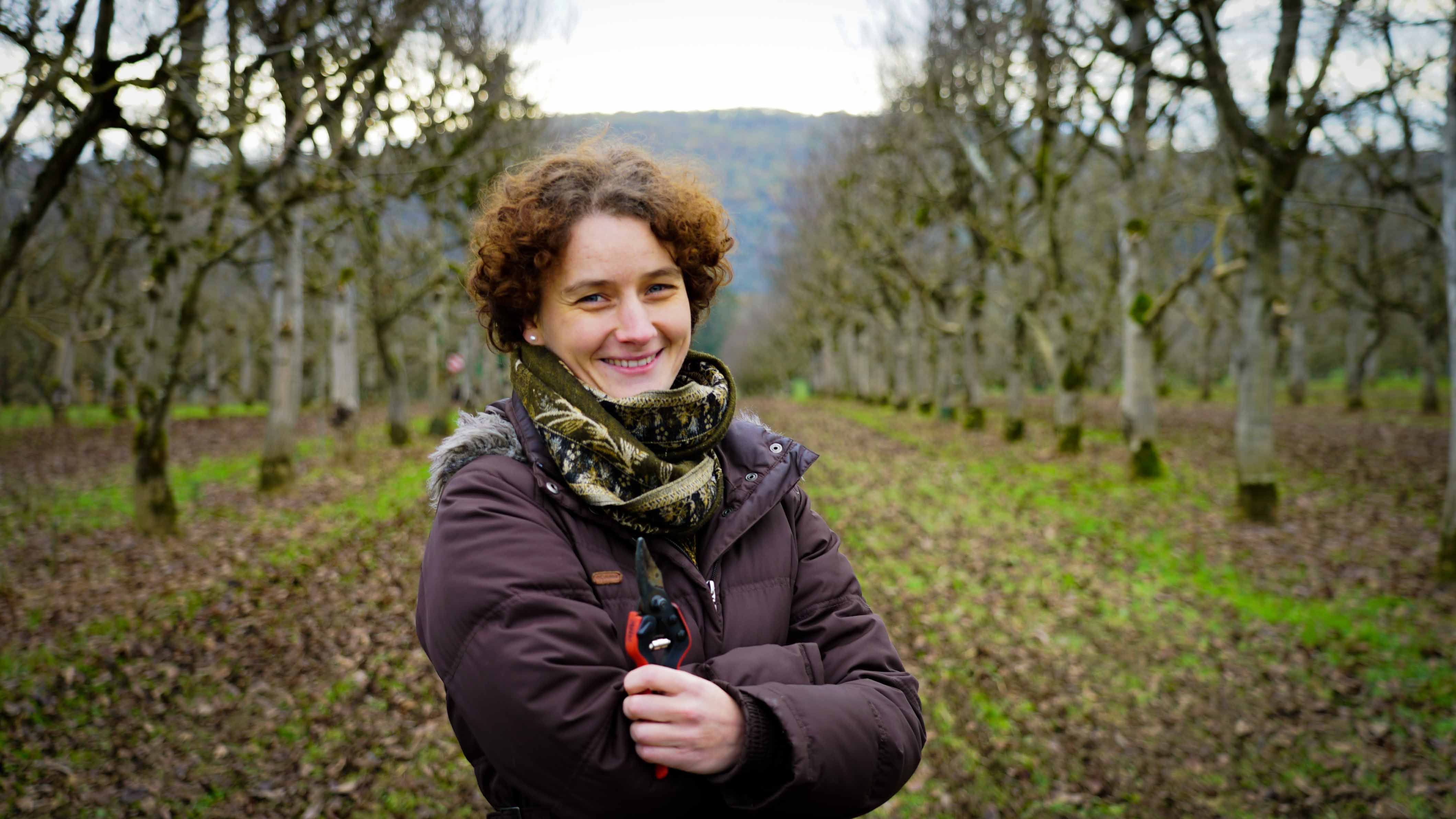
Read morePlantation of walnut trees in the heart of the Lot with Eloïse Tranchand
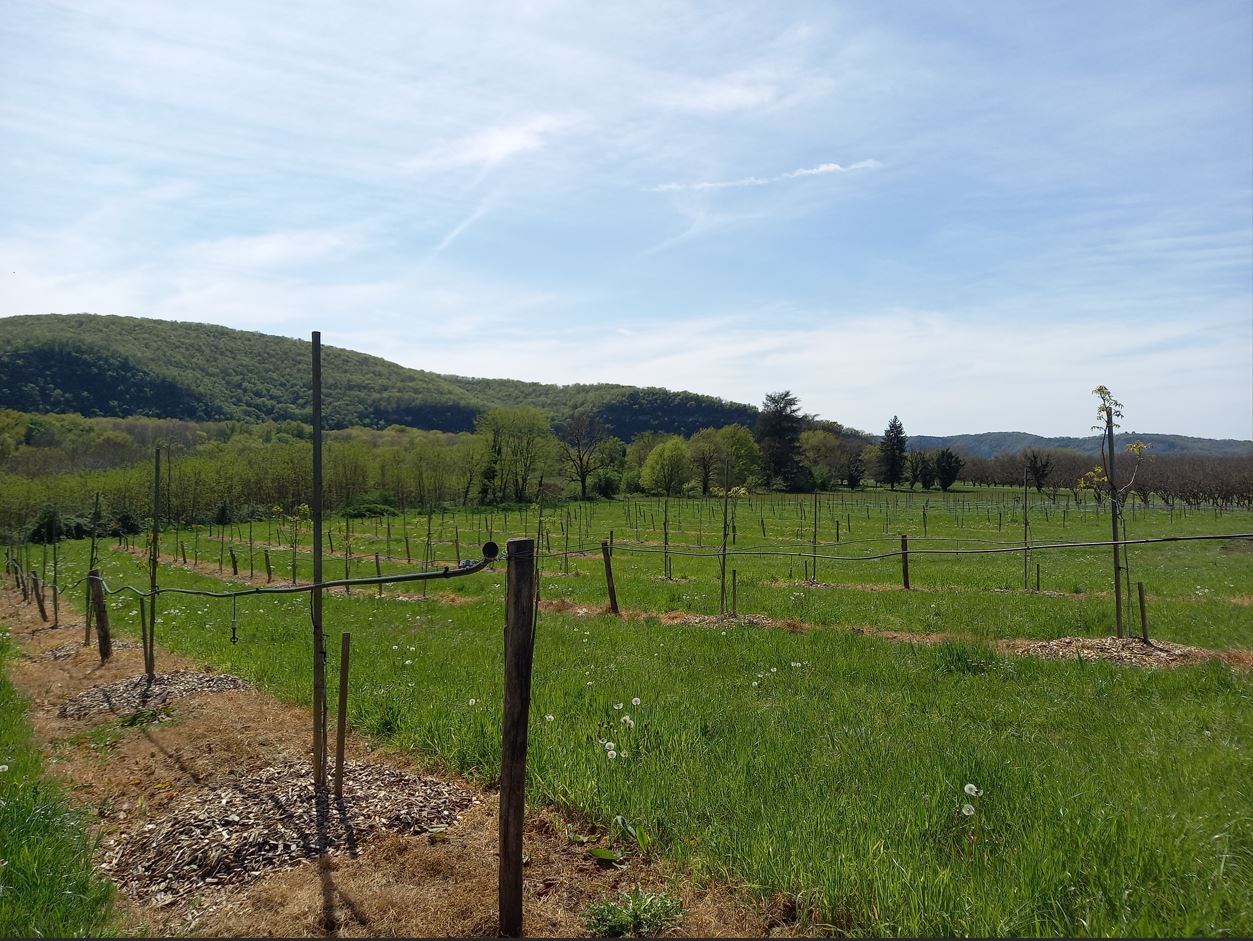
Like the other IRFEL experimental stations, the Creysse experimental station's mission is to respond to the concerns of the agricultural sector through a dynamic network dedicated to fruit and vegetable producers. It specializes in walnut production and brings its expertise on several topics, such as soil sustainability, the preservation of biodiversity, or the management of weeds. The station is at the origin of a walnut plantation project of 1.26 Ha, in the heart of the Dordogne, which will enable the storage of 67,83 tonnes of CO2 equivalent in 20 years*. In addition to carbon capture, this project also promotes an environmentally friendly agricultural activity.
The operator is committed to limiting soil disturbance: Depending on the operating mode, the soil is at risk of direct or indirect disturbance with the passage of heavy machinery, the partial destruction of vegetation or herbaceous cover which may affect both flora and fauna. In an effort to limit these risks, the farm is committed to a low frequency of deep tillage operations. Soil fertility will be developed through organic input practices. In order to preserve biodiversity, biocontrol, in other words a set of plant protection methods based on the use of natural mechanisms, will be applied within the farm. The products used will ensure the balance between populations, including aggressors via macro-organisms and other plant protection products composed of micro-organisms and chemical mediators. The water resource will be preserved: In order to limit soil erosion, leaching and therefore the overconsumption of fertilizers, 100% of the orchard will benefit from a permanent grass cover. This action, combined with an irrigation system optimizing the supply of water (drip, micro-irrigation, etc.) or management tools, will avoid overconsumption of water. This project is also positive from a socio-economic point of view. The productions of the orchard are sold and processed locally, which creates territorial added value and improves the economic fabric.
* The final value of the estimate will only be established after verification by an independent auditor and an administrative verification decision.
 Label Bas Carbone
Examples: reducing the frequency of soil cultivation, minimalist plot preparation, restoring organic matter and preserving soil microfauna.
Examples: diversity and locality of crop species, preservation of habitat for local flora and fauna, presence of beehives for pollination.
Examples: territorial dynamics, societal demand, diversification of the activity, local sales/processing, working conditions, sharing of good practices.
Examples: Consideration of wetlands, use of adapted species, drip-connected irrigation tools.
Creysse Experimental Station - Its role is to implement and carry out a Walnut experimentation program, favoring the sector aspect and responding to the technical concerns of producers and Producer Organizations, in particular grouped within the National AOP "Dynamic Walnuts". Its missions evolve to take into account the new technical and economic imperatives of the sector. The Station is a source of references and also a place of exchange which gives walnut production in the South-West the impetus it needs.
Read morePlantation of walnut trees in the heart of the Lot with Eloïse Tranchand
Like the other IRFEL experimental stations, the Creysse experimental station's mission is to respond to the concerns of the agricultural sector through a dynamic network dedicated to fruit and vegetable producers. It specializes in walnut production and brings its expertise on several topics, such as soil sustainability, the preservation of biodiversity, or the management of weeds. The station is at the origin of a walnut plantation project of 1.26 Ha, in the heart of the Dordogne, which will enable the storage of 67,83 tonnes of CO2 equivalent in 20 years*. In addition to carbon capture, this project also promotes an environmentally friendly agricultural activity.
The operator is committed to limiting soil disturbance: Depending on the operating mode, the soil is at risk of direct or indirect disturbance with the passage of heavy machinery, the partial destruction of vegetation or herbaceous cover which may affect both flora and fauna. In an effort to limit these risks, the farm is committed to a low frequency of deep tillage operations. Soil fertility will be developed through organic input practices. In order to preserve biodiversity, biocontrol, in other words a set of plant protection methods based on the use of natural mechanisms, will be applied within the farm. The products used will ensure the balance between populations, including aggressors via macro-organisms and other plant protection products composed of micro-organisms and chemical mediators. The water resource will be preserved: In order to limit soil erosion, leaching and therefore the overconsumption of fertilizers, 100% of the orchard will benefit from a permanent grass cover. This action, combined with an irrigation system optimizing the supply of water (drip, micro-irrigation, etc.) or management tools, will avoid overconsumption of water. This project is also positive from a socio-economic point of view. The productions of the orchard are sold and processed locally, which creates territorial added value and improves the economic fabric.
* The final value of the estimate will only be established after verification by an independent auditor and an administrative verification decision.