
 Label Bas Carbone
EPLEFPA de Thierache
EPLEFPA de Thierache - Dairy farm attached to an agricultural educational establishment
Read more
Created in 2000 and recognized by the Ministries of Agriculture, Environment and Health, the Bleu-Blanc-Cœur association has been building responsible and sustainable agricultural sectors for 20 years, aiming to improve the nutritional and environmental quality of our food and thus positively impacting the health of the Earth, animals and humans.
Read moreChange of feed on a farm of 61 dairy cows in the Aisne department of France
In the current context of transition, supporting French cattle breeders helps support the sustainability of our French industry and avoid imports, which have a significant carbon footprint. The reduction of greenhouse gas emissions from their animals is made possible by financing virtuous practices that are more costly for the farmer.
The Ecométhane method aims to reduce methane emissions by adding plants naturally rich in omega 3, such as grass, alfalfa and linseed, to dairy cattle rations. This method measures methane emissions quickly and simply, thanks to a method for measuring milk fatty acids patented with INRAe in 2008. These measurements make it possible to calculate the methane emissions of a herd before and after a change in ration composition.
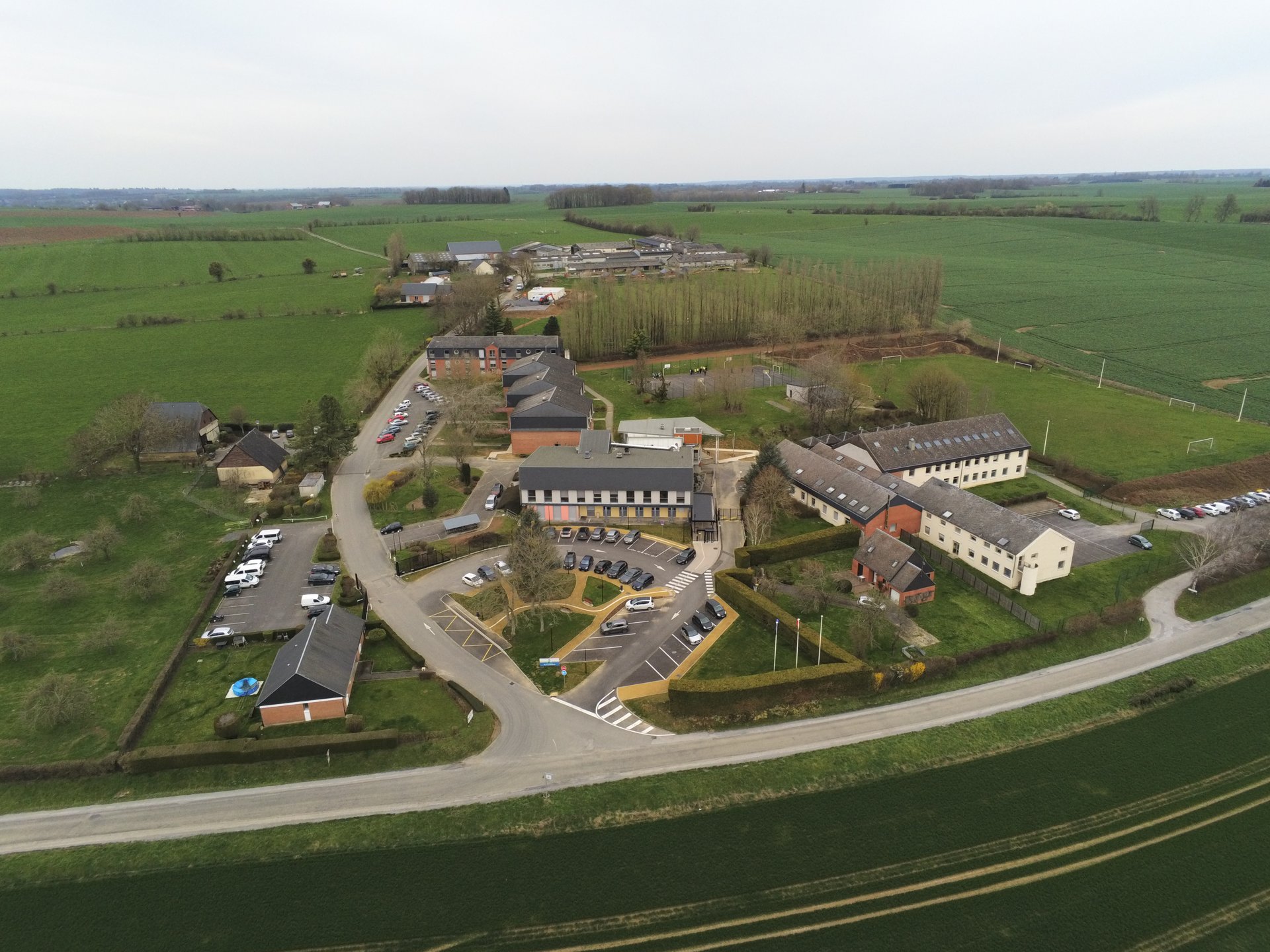
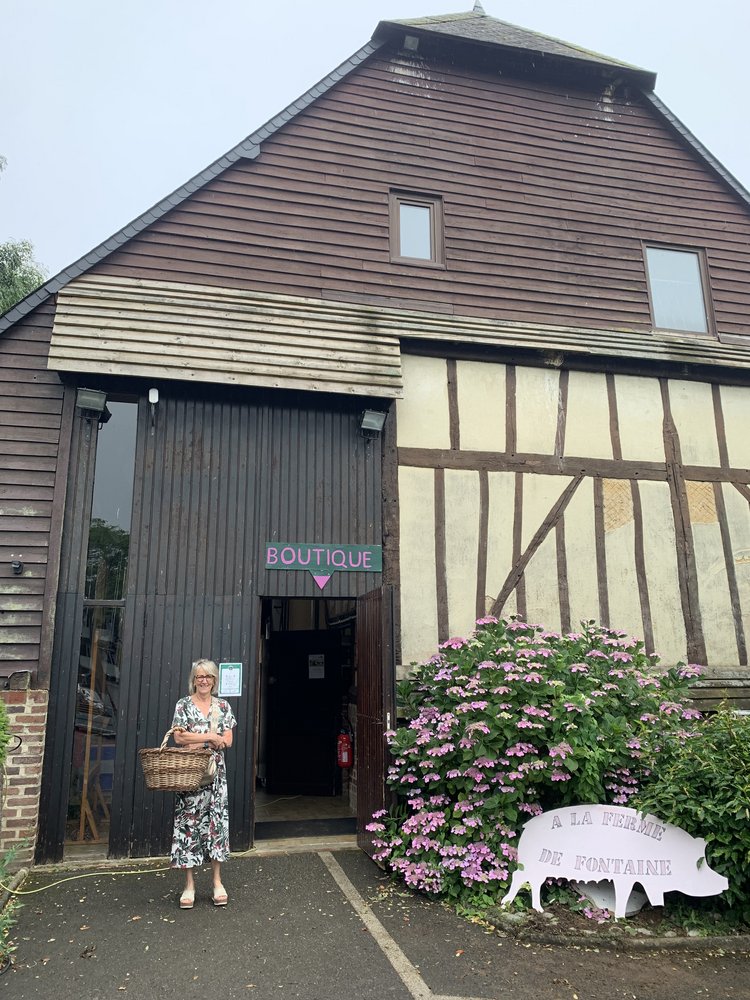
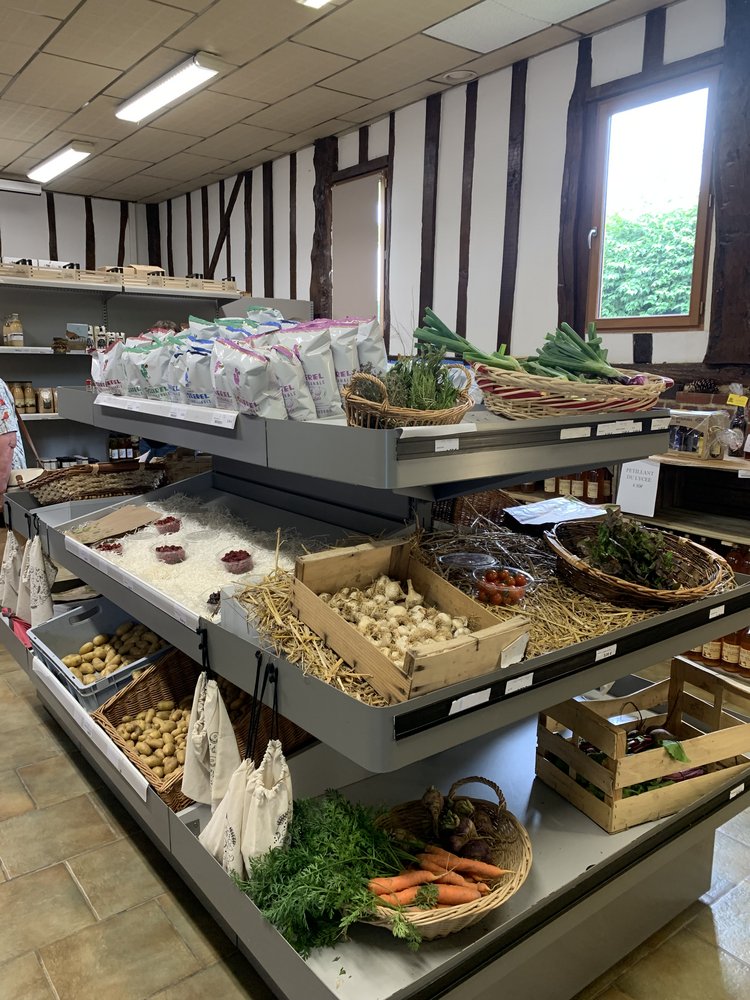
This farm is part of a public agricultural teaching establishment in Fontaines-les-Vervins, Aisne. It currently employs 3 people: 2 in the livestock and crop workshops, and one in sales through a direct sales store. The dairy unit includes around one hundred Prim'Holstein dairy cows. In 2023, the farm signed up to the Ecométhane program for the next 5 years. Its action plan will help avoid greenhouse gas emissions of around 60.3 tonnes Co2 equivalent over 5 years*.
Financing a Ecométhane project makes it possible to reward reductions in emissions that are already effective depending on the progress of the project, unlike planting trees which will only sequester the CO2 expected in decades.
- Increase the proportion of seeds rich in alpha linolenic acid (ALA) in the ration, particularly linseed.
- Increase the quality of forage in the ration.
- Increase the proportion of grass-based forage.
* The final value of the estimate will be established only after verification by an independent auditor and an administrative decision on verification.
 Label Bas Carbone
EPLEFPA de Thierache
EPLEFPA de Thierache - Dairy farm attached to an agricultural educational establishment
Read moreCreated in 2000 and recognized by the Ministries of Agriculture, Environment and Health, the Bleu-Blanc-Cœur association has been building responsible and sustainable agricultural sectors for 20 years, aiming to improve the nutritional and environmental quality of our food and thus positively impacting the health of the Earth, animals and humans.
Read moreChange of feed on a farm of 61 dairy cows in the Aisne department of France
In the current context of transition, supporting French cattle breeders helps support the sustainability of our French industry and avoid imports, which have a significant carbon footprint. The reduction of greenhouse gas emissions from their animals is made possible by financing virtuous practices that are more costly for the farmer.
The Ecométhane method aims to reduce methane emissions by adding plants naturally rich in omega 3, such as grass, alfalfa and linseed, to dairy cattle rations. This method measures methane emissions quickly and simply, thanks to a method for measuring milk fatty acids patented with INRAe in 2008. These measurements make it possible to calculate the methane emissions of a herd before and after a change in ration composition.
This farm is part of a public agricultural teaching establishment in Fontaines-les-Vervins, Aisne. It currently employs 3 people: 2 in the livestock and crop workshops, and one in sales through a direct sales store. The dairy unit includes around one hundred Prim'Holstein dairy cows. In 2023, the farm signed up to the Ecométhane program for the next 5 years. Its action plan will help avoid greenhouse gas emissions of around 60.3 tonnes Co2 equivalent over 5 years*.
Financing a Ecométhane project makes it possible to reward reductions in emissions that are already effective depending on the progress of the project, unlike planting trees which will only sequester the CO2 expected in decades.
- Increase the proportion of seeds rich in alpha linolenic acid (ALA) in the ration, particularly linseed.
- Increase the quality of forage in the ration.
- Increase the proportion of grass-based forage.
* The final value of the estimate will be established only after verification by an independent auditor and an administrative decision on verification.