
 Label Bas Carbone
Examples: reducing the frequency of soil cultivation, minimalist plot preparation, restoring organic matter and preserving soil microfauna.

Examples: diversity and locality of crop species, preservation of habitat for local flora and fauna, presence of beehives for pollination.

Examples: territorial dynamics, societal demand, diversification of the activity, local sales/processing, working conditions, sharing of good practices.

Examples: Consideration of wetlands, use of adapted species, drip-connected irrigation tools.
SCEA de la Ferme du Courtillet
SCEA de la Ferme du Courtillet - Farm in the Oise region growing hazelnut orchards, among other crops
Read morePlanting of 18.85 hectares of hazelnut trees in the Oise region.
Le noisetier, espèce rustique adaptée au climat tempéré de l’Oise, s’inscrit dans une dynamique nationale de développement de la filière fruits à coque, en réponse à une demande croissante. Les noisettes sont valorisées pour leur richesse nutritionnelle et leur utilisation en agroalimentaire, notamment dans la confiserie et la pâtisserie. Cette filière contribue à la diversification des productions agricoles et à la sécurisation des revenus des agriculteurs. Located in the heart of Oise, Courteuil benefits from a rich historical heritage and fertile agricultural lands. The Hauts-de-France region is renowned for its diverse landscapes and temperate climate, with regular rainfall and mild temperatures that favor orchard development. The local economy, traditionally centered on cereal cultivation, is increasingly embracing agroecological innovation and the enhancement of natural resources.
Founded in 1985, SCEA de la Ferme du Courtillet has longstanding expertise in cereal farming and land management. The farm is now committed to diversifying its activities by transitioning to fruit arboriculture, with the ambition to promote its terroir and pursue sustainable practices. This strategic shift embodies a strong commitment to regional agricultural resilience and climate action.
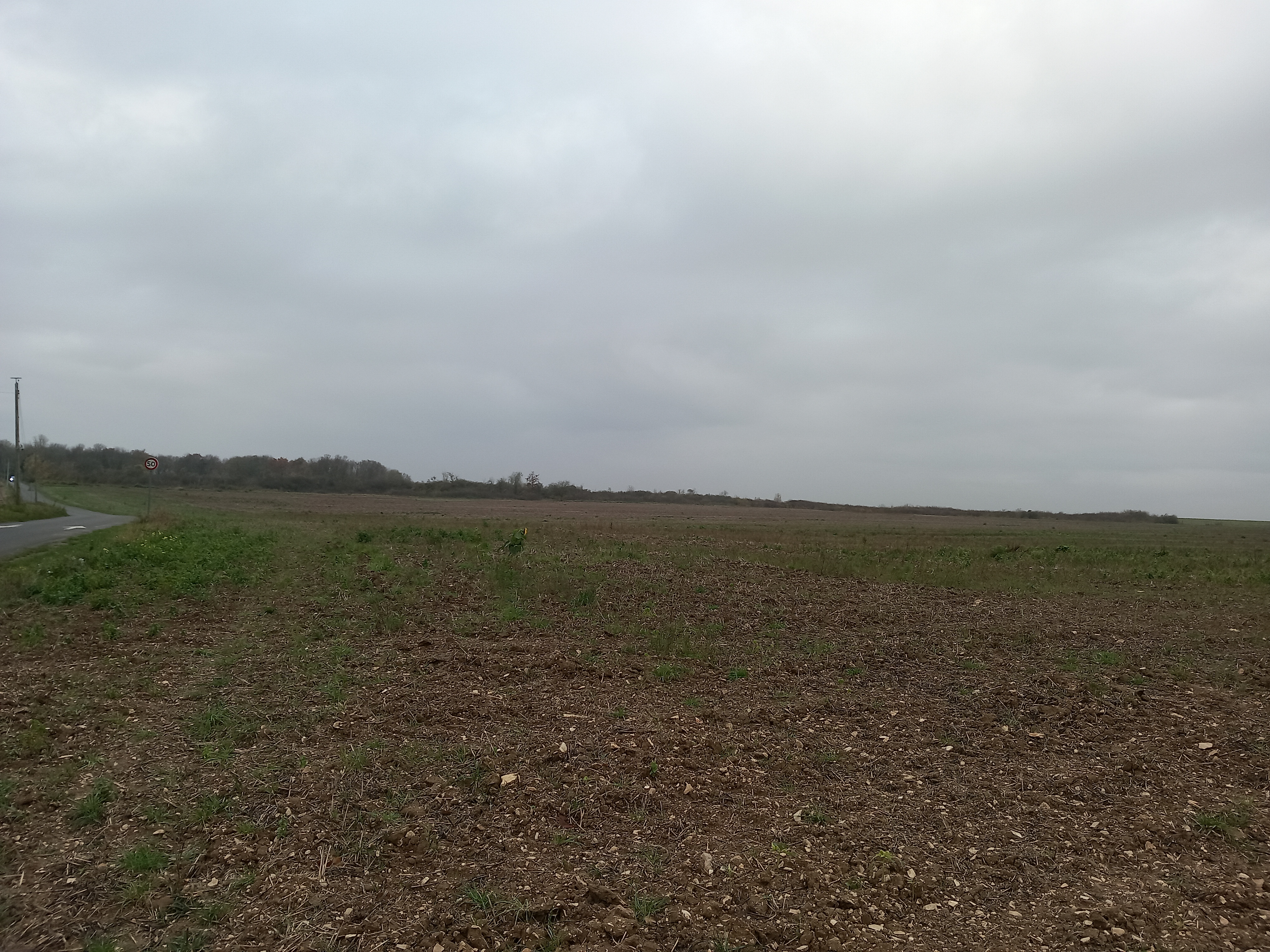
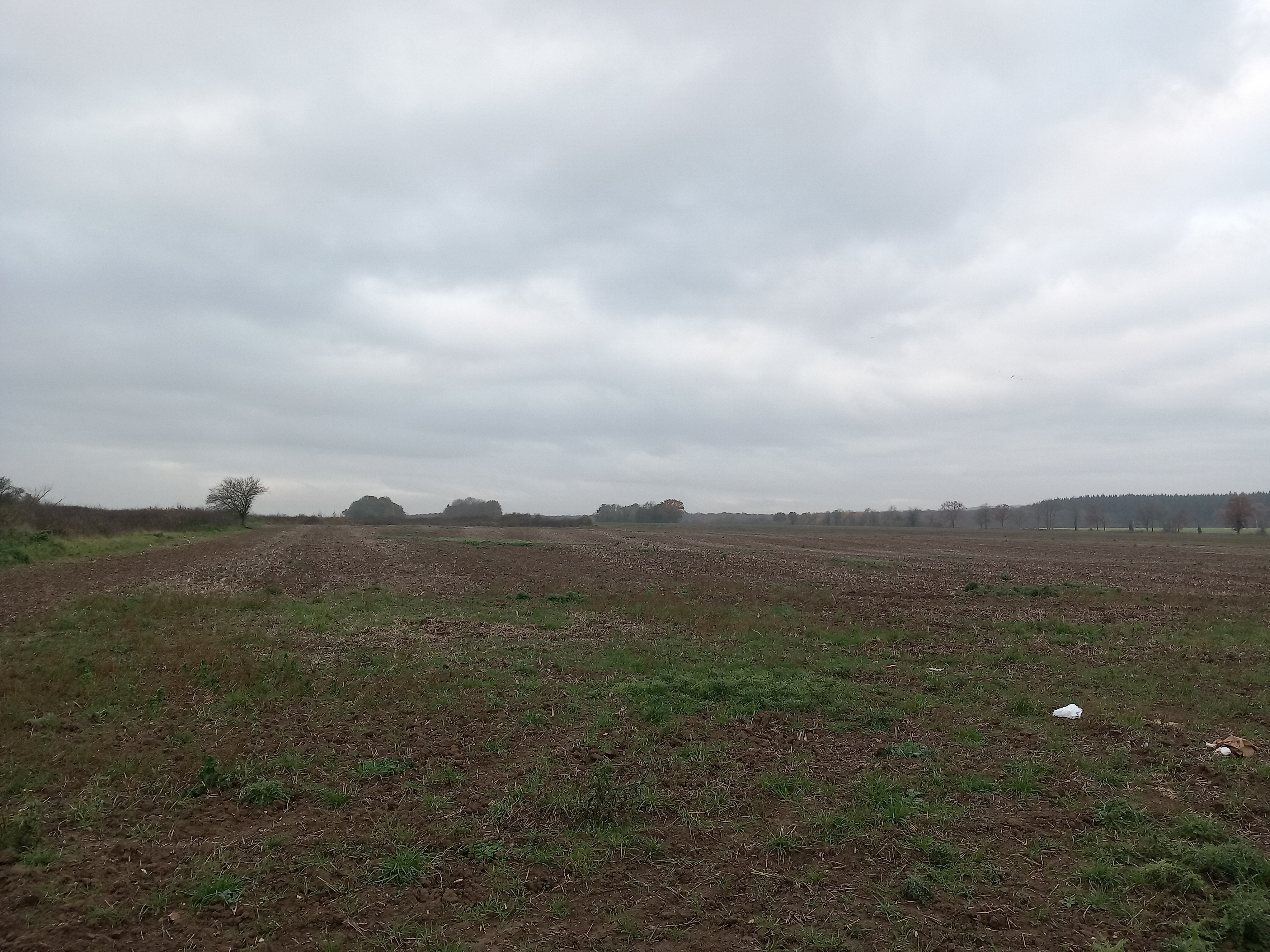
The hazelnut tree, a robust species adapted to the temperate climate of Oise, is part of a national strategy to develop the nut sector in response to growing demand. Hazelnuts are valued for their nutritional qualities and use in the food industry, especially in confectionery and baking. This sector contributes to diversification of farm production and income security for farmers. Mr Delclaux's farm plans to create its first hazelnut orchard by planting 18.85 hectares during the winter of 2023-2024. The selected plots were previously used for annual field crops.
Planting permanent trees will enable more CO2 to be sequestered throughout the year than would be the case with a temporary crop. This project will enable 920.77 tonnes of CO2 equivalent to be stored over 20 years*.
This project will enable hazelnut production to be relocated in France, as this product is currently imported mainly from abroad. Sales of hazelnuts will supply the French market.
Hazelnuts will diversify the crops grown on this farm.
The soil will also be able to sequester more CO2 because it will no longer be worked every year. What's more, this new plantation will require less fertiliser and treatments than previous crops. This new cultivation method will help to avoid emissions, making the project even more virtuous.
Water resources will be used sparingly, as the orchards have an underground drip irrigation system that allows for sensible watering.
* The final value of the estimate will only be established after verification by an independent auditor and an administrative decision on verification.
 Label Bas Carbone
Examples: reducing the frequency of soil cultivation, minimalist plot preparation, restoring organic matter and preserving soil microfauna.
Examples: diversity and locality of crop species, preservation of habitat for local flora and fauna, presence of beehives for pollination.
Examples: territorial dynamics, societal demand, diversification of the activity, local sales/processing, working conditions, sharing of good practices.
Examples: Consideration of wetlands, use of adapted species, drip-connected irrigation tools.
SCEA de la Ferme du Courtillet
SCEA de la Ferme du Courtillet - Farm in the Oise region growing hazelnut orchards, among other crops
Read morePlanting of 18.85 hectares of hazelnut trees in the Oise region.
Le noisetier, espèce rustique adaptée au climat tempéré de l’Oise, s’inscrit dans une dynamique nationale de développement de la filière fruits à coque, en réponse à une demande croissante. Les noisettes sont valorisées pour leur richesse nutritionnelle et leur utilisation en agroalimentaire, notamment dans la confiserie et la pâtisserie. Cette filière contribue à la diversification des productions agricoles et à la sécurisation des revenus des agriculteurs. Located in the heart of Oise, Courteuil benefits from a rich historical heritage and fertile agricultural lands. The Hauts-de-France region is renowned for its diverse landscapes and temperate climate, with regular rainfall and mild temperatures that favor orchard development. The local economy, traditionally centered on cereal cultivation, is increasingly embracing agroecological innovation and the enhancement of natural resources.
Founded in 1985, SCEA de la Ferme du Courtillet has longstanding expertise in cereal farming and land management. The farm is now committed to diversifying its activities by transitioning to fruit arboriculture, with the ambition to promote its terroir and pursue sustainable practices. This strategic shift embodies a strong commitment to regional agricultural resilience and climate action.
The hazelnut tree, a robust species adapted to the temperate climate of Oise, is part of a national strategy to develop the nut sector in response to growing demand. Hazelnuts are valued for their nutritional qualities and use in the food industry, especially in confectionery and baking. This sector contributes to diversification of farm production and income security for farmers. Mr Delclaux's farm plans to create its first hazelnut orchard by planting 18.85 hectares during the winter of 2023-2024. The selected plots were previously used for annual field crops.
Planting permanent trees will enable more CO2 to be sequestered throughout the year than would be the case with a temporary crop. This project will enable 920.77 tonnes of CO2 equivalent to be stored over 20 years*.
This project will enable hazelnut production to be relocated in France, as this product is currently imported mainly from abroad. Sales of hazelnuts will supply the French market.
Hazelnuts will diversify the crops grown on this farm.
The soil will also be able to sequester more CO2 because it will no longer be worked every year. What's more, this new plantation will require less fertiliser and treatments than previous crops. This new cultivation method will help to avoid emissions, making the project even more virtuous.
Water resources will be used sparingly, as the orchards have an underground drip irrigation system that allows for sensible watering.
* The final value of the estimate will only be established after verification by an independent auditor and an administrative decision on verification.