
 Label Bas Carbone
Examples: reducing the frequency of soil cultivation, minimalist plot preparation, restoring organic matter and preserving soil microfauna.

Examples: diversity and locality of crop species, preservation of habitat for local flora and fauna, presence of beehives for pollination.

Examples: territorial dynamics, societal demand, diversification of the activity, local sales/processing, working conditions, sharing of good practices.

Examples: Consideration of wetlands, use of adapted species, drip-connected irrigation tools.
New afforestation at Mr. and Mrs. Bernaud in the Sarthe
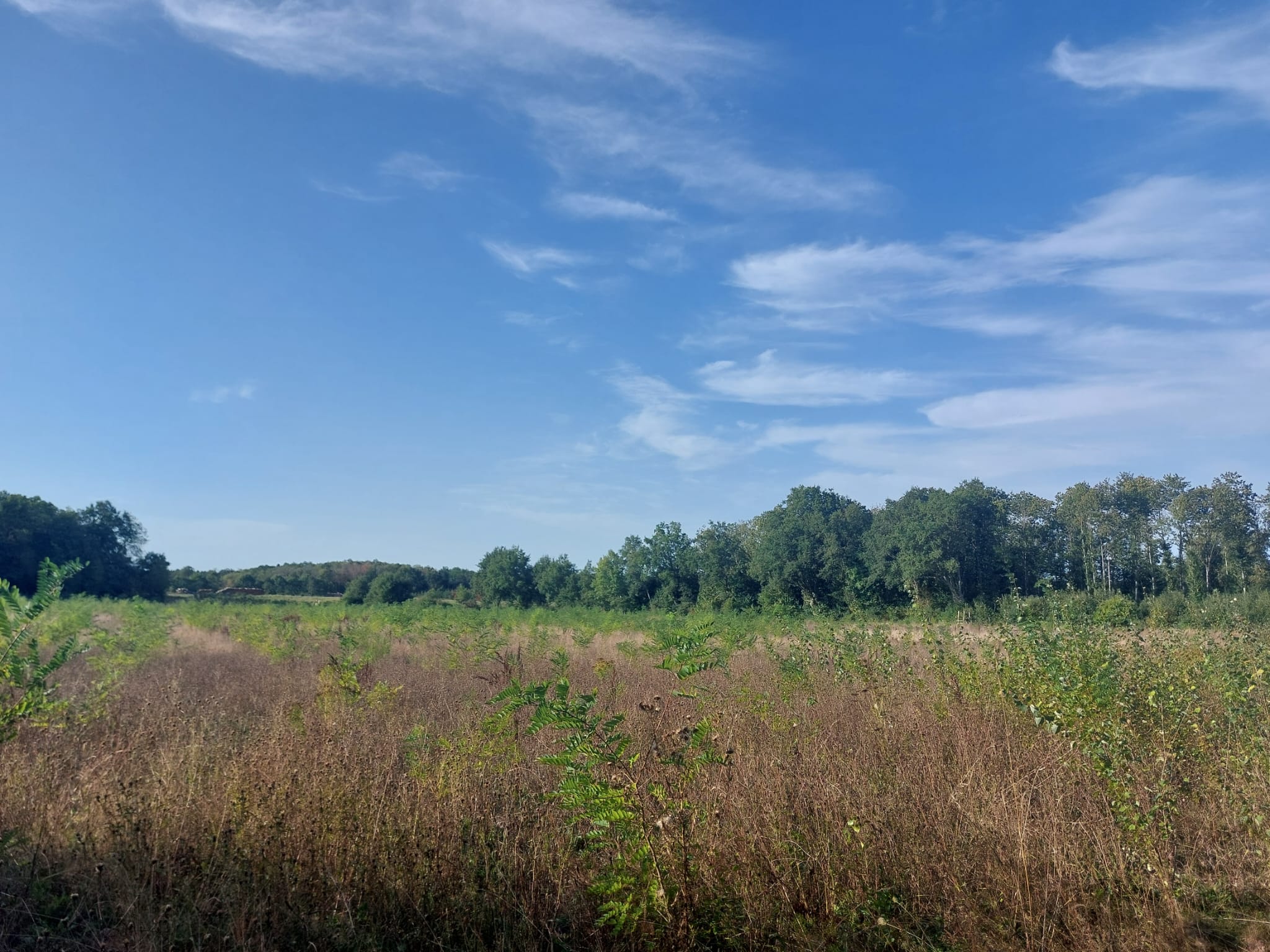
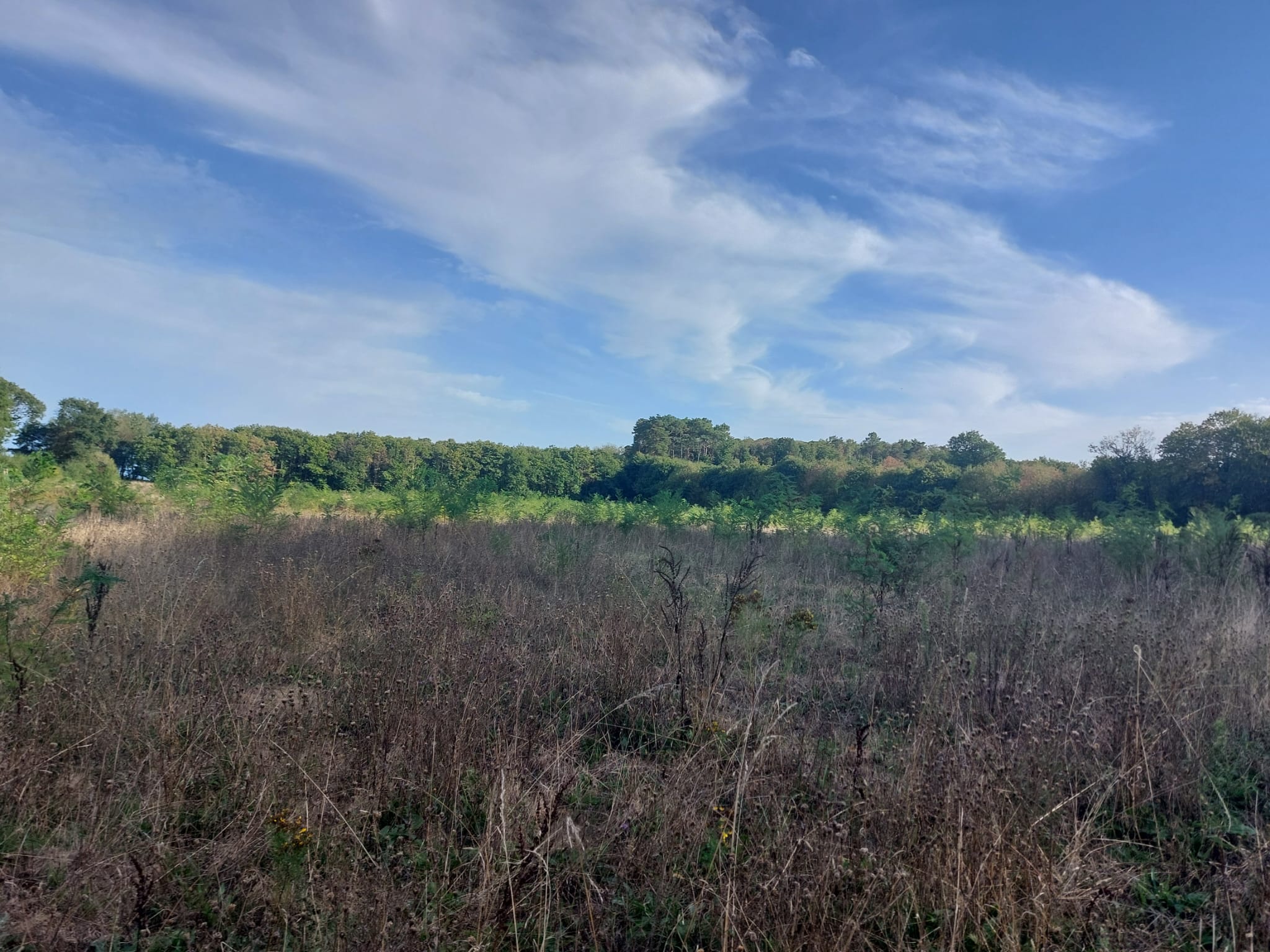
Mr. and Mrs. Bernaud embarked on a vast project of afforestation of agricultural meadows that are currently undervalued. These lands, "Les Petites Landes" were once wooded and linked the different forests that are now scattered across the landscape. This afforestation project aims to restore an ecological corridor of more than 17 Ha which will lead to the junction of these now remote woods to return to the initial state of afforestation. This junction will allow the local fauna to move on a continuous space of more than 250 Ha of forests.
Biodiversity: More than 10 different hardwood and softwood species were selected for this afforestation. The choice of species has been studied to resist global warming and current conditions, with a high proportion of local species. We can mention the sessile oaks, the pubescent oaks and the acacias which are among the best representatives among the hardwoods present in France able to withstand climate variations in the coming years. The project will also feature wild fruit trees that naturally feed wildlife throughout the year. Particular attention to the aesthetics of the afforestation was also studied. The cedars and red oaks will bring colors to the afforestation and the acacias once in bloom will bring honey interest to the afforestation for the bees. This mixture of species is also intended as a local ecological showcase, demonstrating the possibility and the interest of a diversified stand in a forest environment.
Socio-economic: PEFC certification is planned for this plantation in order to guarantee its sustainable management. Thinning throughout the growth of the trees will essentially aim to maximize the development of each tree, without the desire for intensive wood production by favoring the quality of the cuts over the quantity.
Soil preservation: The plot will be prepared for planting with tillage in pots worked. This limits the impact on soil life and avoids releasing the carbon contained therein into organic matter.
Preservation of water resources: 3 ponds present in the project area will be cleaned and preserved in order to integrate perfectly into this afforestation project. The goal is to ensure the sustainability of these vital wetlands for local wildlife.
 Label Bas Carbone
Examples: reducing the frequency of soil cultivation, minimalist plot preparation, restoring organic matter and preserving soil microfauna.
Examples: diversity and locality of crop species, preservation of habitat for local flora and fauna, presence of beehives for pollination.
Examples: territorial dynamics, societal demand, diversification of the activity, local sales/processing, working conditions, sharing of good practices.
Examples: Consideration of wetlands, use of adapted species, drip-connected irrigation tools.
New afforestation at Mr. and Mrs. Bernaud in the Sarthe
Mr. and Mrs. Bernaud embarked on a vast project of afforestation of agricultural meadows that are currently undervalued. These lands, "Les Petites Landes" were once wooded and linked the different forests that are now scattered across the landscape. This afforestation project aims to restore an ecological corridor of more than 17 Ha which will lead to the junction of these now remote woods to return to the initial state of afforestation. This junction will allow the local fauna to move on a continuous space of more than 250 Ha of forests.
Biodiversity: More than 10 different hardwood and softwood species were selected for this afforestation. The choice of species has been studied to resist global warming and current conditions, with a high proportion of local species. We can mention the sessile oaks, the pubescent oaks and the acacias which are among the best representatives among the hardwoods present in France able to withstand climate variations in the coming years. The project will also feature wild fruit trees that naturally feed wildlife throughout the year. Particular attention to the aesthetics of the afforestation was also studied. The cedars and red oaks will bring colors to the afforestation and the acacias once in bloom will bring honey interest to the afforestation for the bees. This mixture of species is also intended as a local ecological showcase, demonstrating the possibility and the interest of a diversified stand in a forest environment.
Socio-economic: PEFC certification is planned for this plantation in order to guarantee its sustainable management. Thinning throughout the growth of the trees will essentially aim to maximize the development of each tree, without the desire for intensive wood production by favoring the quality of the cuts over the quantity.
Soil preservation: The plot will be prepared for planting with tillage in pots worked. This limits the impact on soil life and avoids releasing the carbon contained therein into organic matter.
Preservation of water resources: 3 ponds present in the project area will be cleaned and preserved in order to integrate perfectly into this afforestation project. The goal is to ensure the sustainability of these vital wetlands for local wildlife.