
 Label Bas Carbone
Examples: reducing the frequency of soil cultivation, minimalist plot preparation, restoring organic matter and preserving soil microfauna.

Examples: reduction of energy consumption of mobile and stationary installations, reduction of journeys, on-site energy production.
Examples: reduction in the use of chemical mineral fertilizers, phytosanitary products, measurement of crop needs in real time via predictive tools.
Improving practices on a 102-hectare arable farm
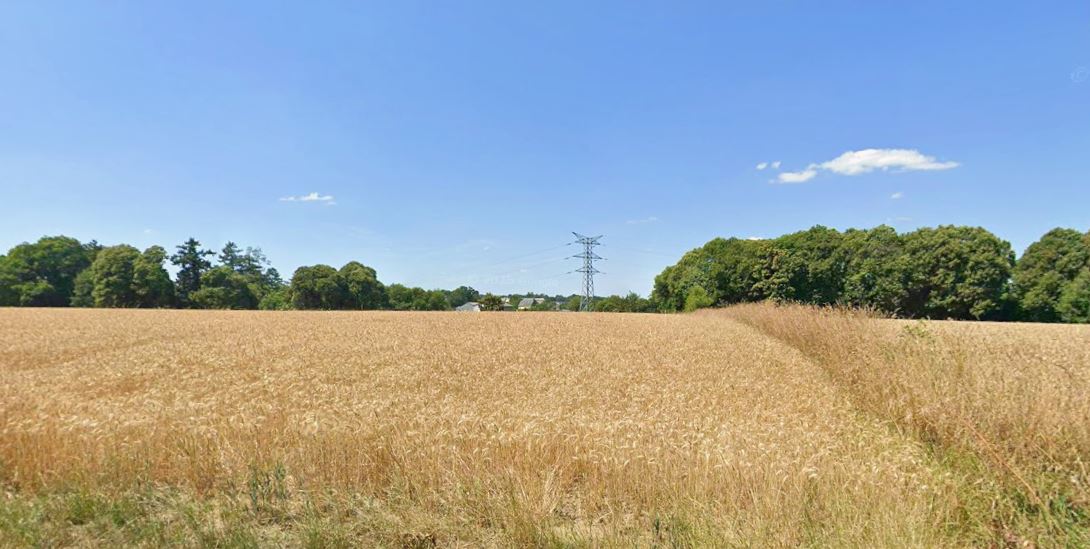
Jean-Yves Le Fur farms in Cléguérec, Morbihan. With this project, the farmer wants to take his approach to diversified, more environmentally-friendly agriculture a step further. By changing its practices, the farm will avoid emitting 73.33 tonnes of CO2 equivalent per year, or 366.65 tonnes over the 5 years of the project*.
Financing a project to reduce emissions from arable farming allows us to reward reductions in emissions that are already taking place as the project progresses, unlike tree planting, which will only sequester the expected CO2 over decades.
Reducing greenhouse gas emissions linked to fertilisation :
- Reducing the amount of mineral nitrogen applied to crops: taking climatic conditions into account when triggering applications, decision-support tools, adjusting yield targets....
- Introduction of new crops in the rotation with lower nitrogen requirements (legumes).
Reducing the farm's energy consumption :
- Reduce tillage and switch to direct seeding.
- Reduce fuel consumption per hectare (tractor replacement, eco-driving training, etc.).
Increase carbon storage in the soil :
- Improving sowing techniques and species sown to increase the biomass produced by long intercrops.
* The final value of the estimate will only be established after verification by an independent auditor and an administrative decision on verification.
 Label Bas Carbone
Examples: reducing the frequency of soil cultivation, minimalist plot preparation, restoring organic matter and preserving soil microfauna.
Examples: reduction of energy consumption of mobile and stationary installations, reduction of journeys, on-site energy production.
Examples: reduction in the use of chemical mineral fertilizers, phytosanitary products, measurement of crop needs in real time via predictive tools.
Improving practices on a 102-hectare arable farm
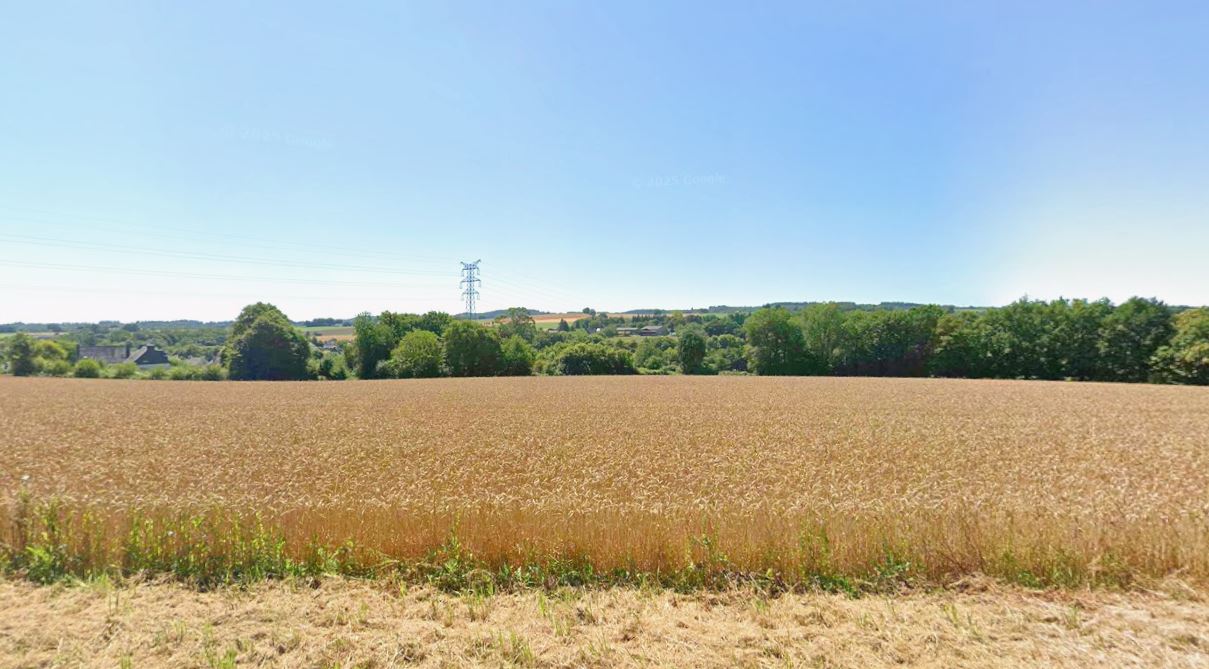
Jean-Yves Le Fur farms in Cléguérec, Morbihan. With this project, the farmer wants to take his approach to diversified, more environmentally-friendly agriculture a step further. By changing its practices, the farm will avoid emitting 73.33 tonnes of CO2 equivalent per year, or 366.65 tonnes over the 5 years of the project*.
Financing a project to reduce emissions from arable farming allows us to reward reductions in emissions that are already taking place as the project progresses, unlike tree planting, which will only sequester the expected CO2 over decades.
Reducing greenhouse gas emissions linked to fertilisation :
- Reducing the amount of mineral nitrogen applied to crops: taking climatic conditions into account when triggering applications, decision-support tools, adjusting yield targets....
- Introduction of new crops in the rotation with lower nitrogen requirements (legumes).
Reducing the farm's energy consumption :
- Reduce tillage and switch to direct seeding.
- Reduce fuel consumption per hectare (tractor replacement, eco-driving training, etc.).
Increase carbon storage in the soil :
- Improving sowing techniques and species sown to increase the biomass produced by long intercrops.
* The final value of the estimate will only be established after verification by an independent auditor and an administrative decision on verification.