
 Label Bas Carbone
Examples: reducing the frequency of soil cultivation, minimalist plot preparation, restoring organic matter and preserving soil microfauna.

Examples: reduction of energy consumption of mobile and stationary installations, reduction of journeys, on-site energy production.
Examples: reduction in the use of chemical mineral fertilizers, phytosanitary products, measurement of crop needs in real time via predictive tools.
Improving practices on a 67-hectare arable farm in Morbihan
Introduction
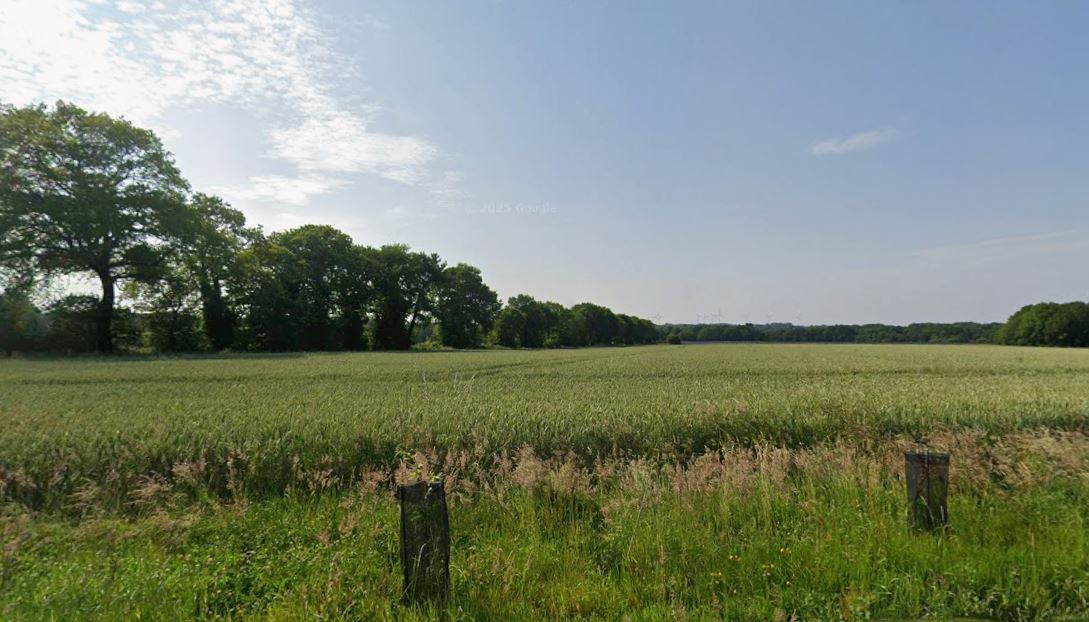
Since 2013, the farm located in the commune of Radenac in Morbihan has undergone a profound transformation. Driven by a farmer concerned about environmental issues and future generations, this farm has transitioned from a traditional dairy operation to a sustainable model based on soil conservation agriculture and beef cattle farming.
Farm History
The farmer started his agricultural activity in 2013 with an initial herd of 45 to 50 dairy cows, which quickly grew to 70 head. At the same time, he worked as a dual professional. For five years, he managed both activities, assisted by a part-time employee on the farm. Later, he specialized in renewable energy and devoted more time to this agricultural activity.
Out of conviction, he decided to end dairy production. He then rediscovered farming from a different perspective, particularly through soil conservation agriculture, in collaboration with Eureden.
Transition to Sustainable Agriculture
The transformation of the farm is based on several key factors:
A Model Based on Soil Conservation Agriculture
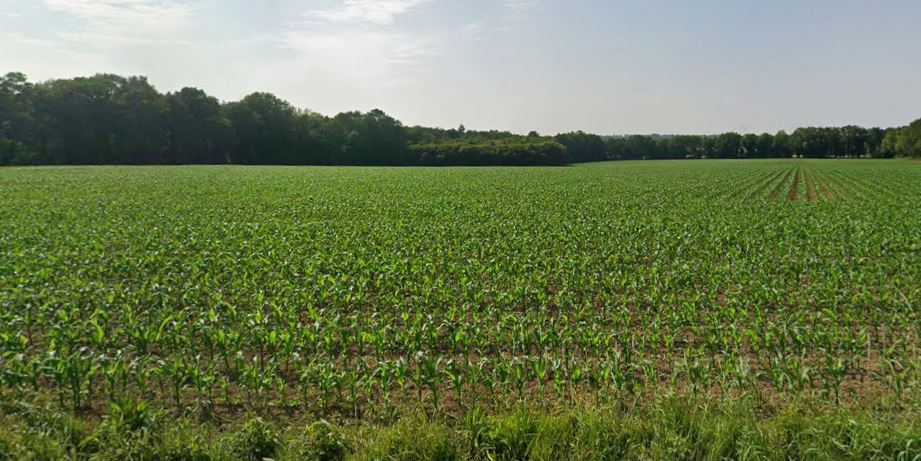
The farm follows a model aimed at minimizing plowing and maintaining permanent soil cover. This management approach offers several advantages:
The farm will prevent the emission of 147.28 tons of CO2 equivalent per year, totaling 736.4 tons over the 5-year project.
Financing an emission reduction project in large-scale farming helps reward emissions reductions that are already effective, depending on the project’s progress, unlike tree plantations that will only sequester the projected CO2 over decades.
Reducing greenhouse gas emissions related to fertilization:
Reducing the farm’s energy consumption:
Increasing carbon storage in soils:
Environmental Improvements and Territorial Protection
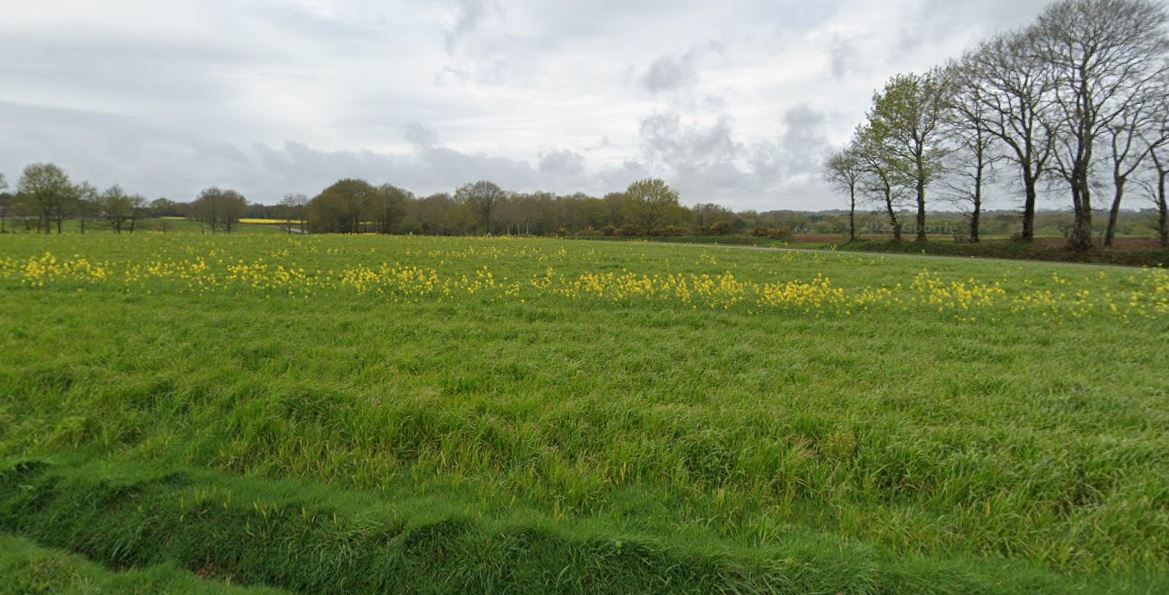
In partnership with Breizh Bocage, the farmer has undertaken hedge planting to structure the plots, including a large 20-hectare area, increasing the accessible surface for the Charolais herd to 21 hectares. These hedges play a crucial role in preserving local ecosystems.
Vision and Future Prospects
Deeply committed to future generations, the farmer is determined to develop a farming model based on common sense and sustainability. His goal is to continue this transition while inspiring other farmers to adopt more soil- and environment-friendly practices.
(*) : The final estimation value will only be established after verification by an independent auditor and an administrative validation process.
 Label Bas Carbone
Examples: reducing the frequency of soil cultivation, minimalist plot preparation, restoring organic matter and preserving soil microfauna.
Examples: reduction of energy consumption of mobile and stationary installations, reduction of journeys, on-site energy production.
Examples: reduction in the use of chemical mineral fertilizers, phytosanitary products, measurement of crop needs in real time via predictive tools.
Improving practices on a 67-hectare arable farm in Morbihan
Introduction
Since 2013, the farm located in the commune of Radenac in Morbihan has undergone a profound transformation. Driven by a farmer concerned about environmental issues and future generations, this farm has transitioned from a traditional dairy operation to a sustainable model based on soil conservation agriculture and beef cattle farming.
Farm History
The farmer started his agricultural activity in 2013 with an initial herd of 45 to 50 dairy cows, which quickly grew to 70 head. At the same time, he worked as a dual professional. For five years, he managed both activities, assisted by a part-time employee on the farm. Later, he specialized in renewable energy and devoted more time to this agricultural activity.
Out of conviction, he decided to end dairy production. He then rediscovered farming from a different perspective, particularly through soil conservation agriculture, in collaboration with Eureden.
Transition to Sustainable Agriculture
The transformation of the farm is based on several key factors:
A Model Based on Soil Conservation Agriculture
The farm follows a model aimed at minimizing plowing and maintaining permanent soil cover. This management approach offers several advantages:
The farm will prevent the emission of 147.28 tons of CO2 equivalent per year, totaling 736.4 tons over the 5-year project.
Financing an emission reduction project in large-scale farming helps reward emissions reductions that are already effective, depending on the project’s progress, unlike tree plantations that will only sequester the projected CO2 over decades.
Reducing greenhouse gas emissions related to fertilization:
Reducing the farm’s energy consumption:
Increasing carbon storage in soils:
Environmental Improvements and Territorial Protection
In partnership with Breizh Bocage, the farmer has undertaken hedge planting to structure the plots, including a large 20-hectare area, increasing the accessible surface for the Charolais herd to 21 hectares. These hedges play a crucial role in preserving local ecosystems.
Vision and Future Prospects
Deeply committed to future generations, the farmer is determined to develop a farming model based on common sense and sustainability. His goal is to continue this transition while inspiring other farmers to adopt more soil- and environment-friendly practices.
(*) : The final estimation value will only be established after verification by an independent auditor and an administrative validation process.