
 Label Bas Carbone
Examples: reduction in the use of chemical mineral fertilizers, phytosanitary products, measurement of crop needs in real time via predictive tools.

Subsidiary of the Euralis agricultural cooperative, specializing in seed production.
Read moreImproved practices on a 23.64 hectare arable farm
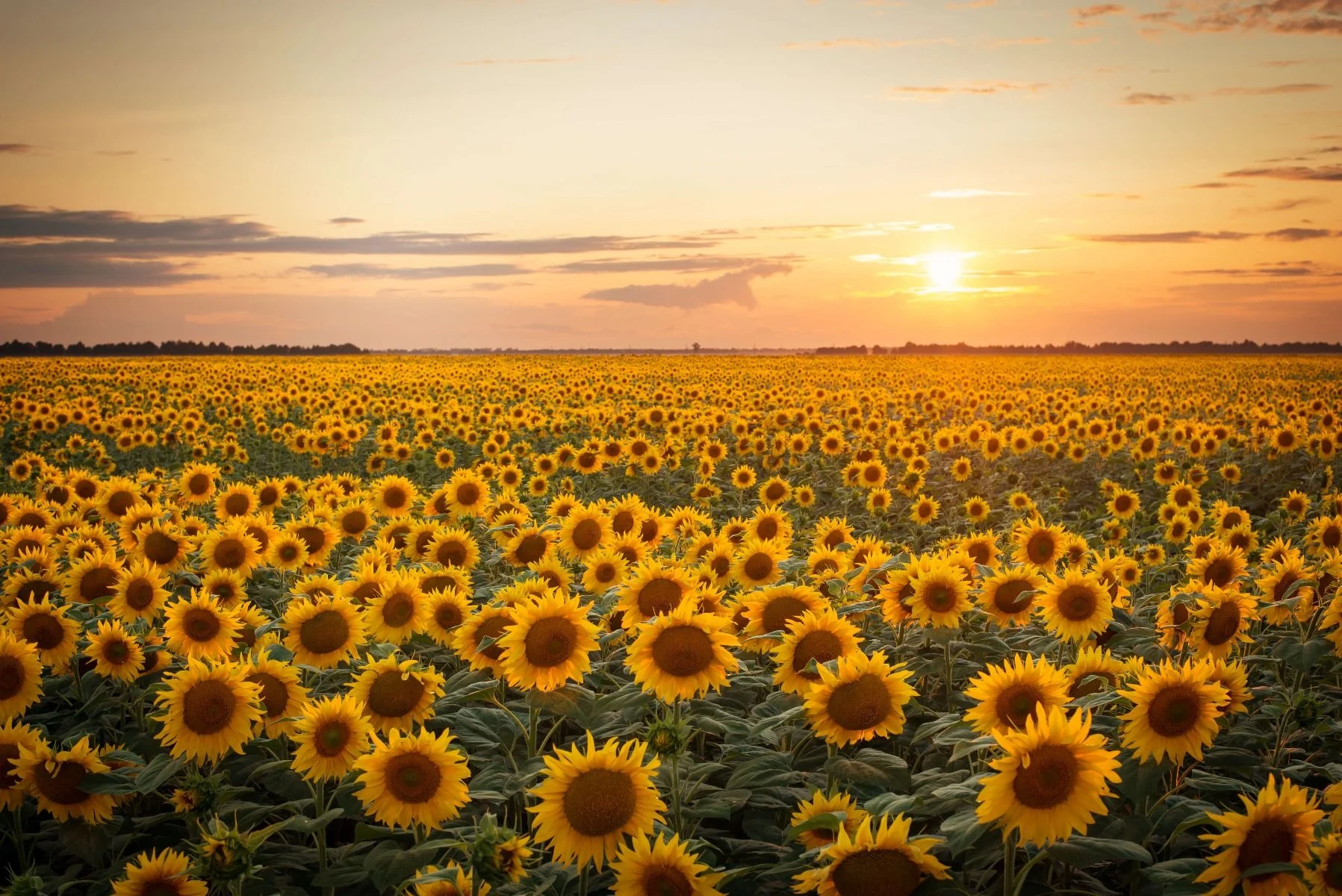
The small commune of Bernède, nestled in the Gers department in Gascony, Occitanie, embodies the authentic charm of southwestern France. This rolling landscape, influenced by a mild oceanic climate with warm summers and gentle winters, has been a historic cradle of Gascon farming. For centuries, its fertile clay-limestone soils have sustained family farms dedicated to major crops like maize, wheat, and sunflower. The local economy relies on resilient agriculture, supported by a terroir rich in biodiversity, where rural traditions blend with a strong cultural identity marked by local festivals and nearby Armagnac production. Bernède symbolizes the ecological transition of a region that, facing climate change, bets on innovation to preserve its natural heritage.
With this project, the farmer wants to take his approach to diversified, more environmentally-friendly agriculture a step further. By changing its practices, the farm will avoid emitting 27.53 tonnes of CO2 equivalent per year, or 137.65 tonnes over the 5 years of the project*.
Financing a project to reduce emissions from arable farming allows us to reward emission reductions that have already taken place as the project progresses, unlike tree planting, which will only sequester the expected CO2 over decades.
Reducing greenhouse gas emissions linked to fertilisation :
- Reducing the amount of mineral nitrogen applied to crops: better optimisation of inputs, decision-making tools, adjustment of yield targets, etc.
- Introduction of new crops in the rotation with lower nitrogen requirements (legumes).
* The final value of the estimate will only be established after verification by an independent auditor and an administrative decision on verification.
 Label Bas Carbone
Examples: reduction in the use of chemical mineral fertilizers, phytosanitary products, measurement of crop needs in real time via predictive tools.
Subsidiary of the Euralis agricultural cooperative, specializing in seed production.
Read moreImproved practices on a 23.64 hectare arable farm
The small commune of Bernède, nestled in the Gers department in Gascony, Occitanie, embodies the authentic charm of southwestern France. This rolling landscape, influenced by a mild oceanic climate with warm summers and gentle winters, has been a historic cradle of Gascon farming. For centuries, its fertile clay-limestone soils have sustained family farms dedicated to major crops like maize, wheat, and sunflower. The local economy relies on resilient agriculture, supported by a terroir rich in biodiversity, where rural traditions blend with a strong cultural identity marked by local festivals and nearby Armagnac production. Bernède symbolizes the ecological transition of a region that, facing climate change, bets on innovation to preserve its natural heritage.
With this project, the farmer wants to take his approach to diversified, more environmentally-friendly agriculture a step further. By changing its practices, the farm will avoid emitting 27.53 tonnes of CO2 equivalent per year, or 137.65 tonnes over the 5 years of the project*.
Financing a project to reduce emissions from arable farming allows us to reward emission reductions that have already taken place as the project progresses, unlike tree planting, which will only sequester the expected CO2 over decades.
Reducing greenhouse gas emissions linked to fertilisation :
- Reducing the amount of mineral nitrogen applied to crops: better optimisation of inputs, decision-making tools, adjustment of yield targets, etc.
- Introduction of new crops in the rotation with lower nitrogen requirements (legumes).
* The final value of the estimate will only be established after verification by an independent auditor and an administrative decision on verification.