
 Label Bas Carbone
Examples: reducing the frequency of soil cultivation, minimalist plot preparation, restoring organic matter and preserving soil microfauna.

Examples: diversity and locality of crop species, preservation of habitat for local flora and fauna, presence of beehives for pollination.

Examples: territorial dynamics, societal demand, diversification of the activity, local sales/processing, working conditions, sharing of good practices.

Examples: reduction of energy consumption of mobile and stationary installations, reduction of journeys, on-site energy production.
Examples: reduction in the use of chemical mineral fertilizers, phytosanitary products, measurement of crop needs in real time via predictive tools.
SCEA l'Agri Mode
SCEA l'Agri Mode - Exploitation agricole majoritairement en Grandes Cultures
Read moreAccompany this operator in his search for more virtuous methods
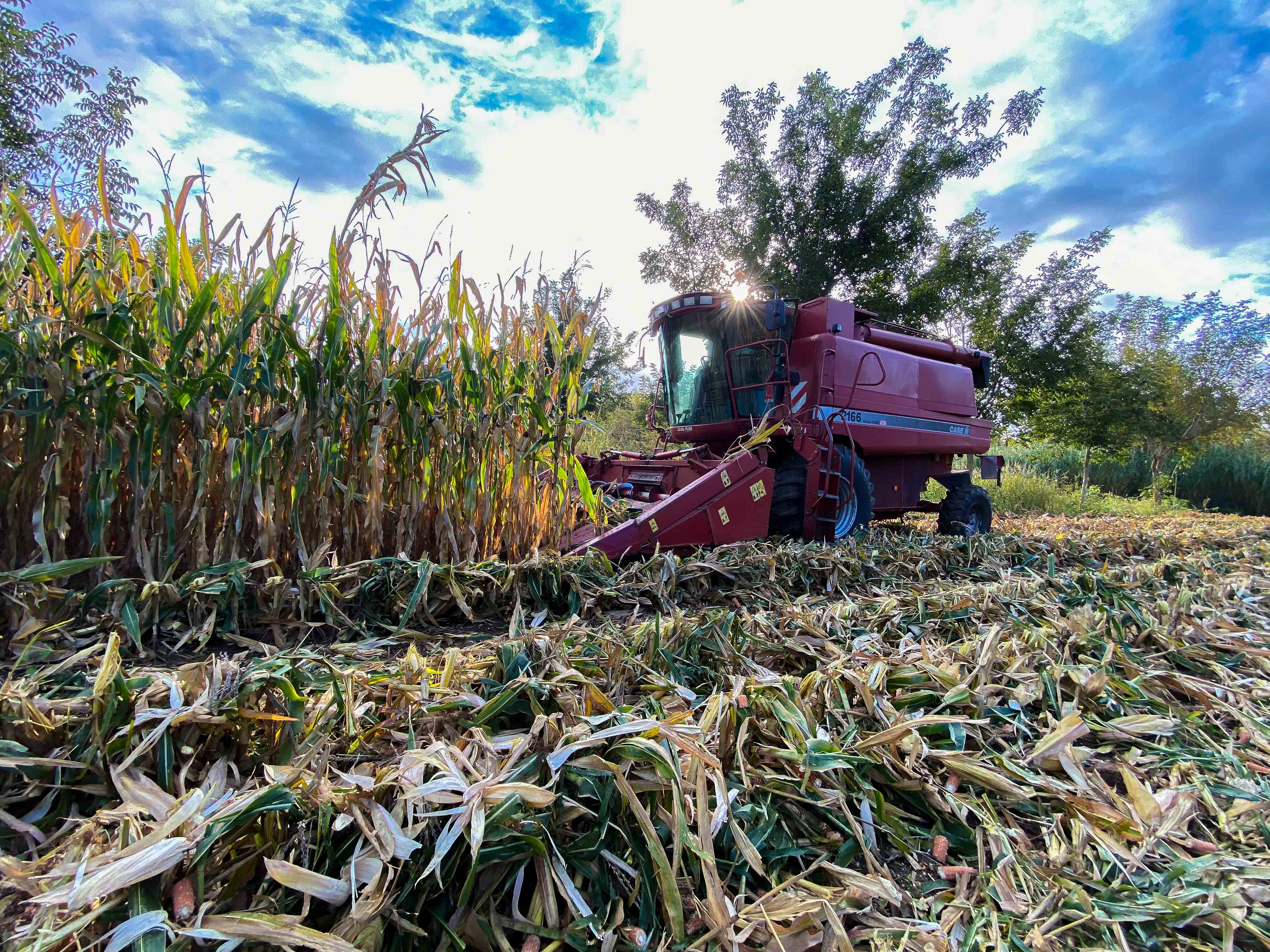
The Agri Mode family grain farm is located in Saint-Thibéry in Hérault (34). It was taken over 10 years ago by two brothers: Bérenger and Aurélien. Their family has always had an agronomic and educational approach geared towards innovation. The last three successive generations have each left their mark on the farm.
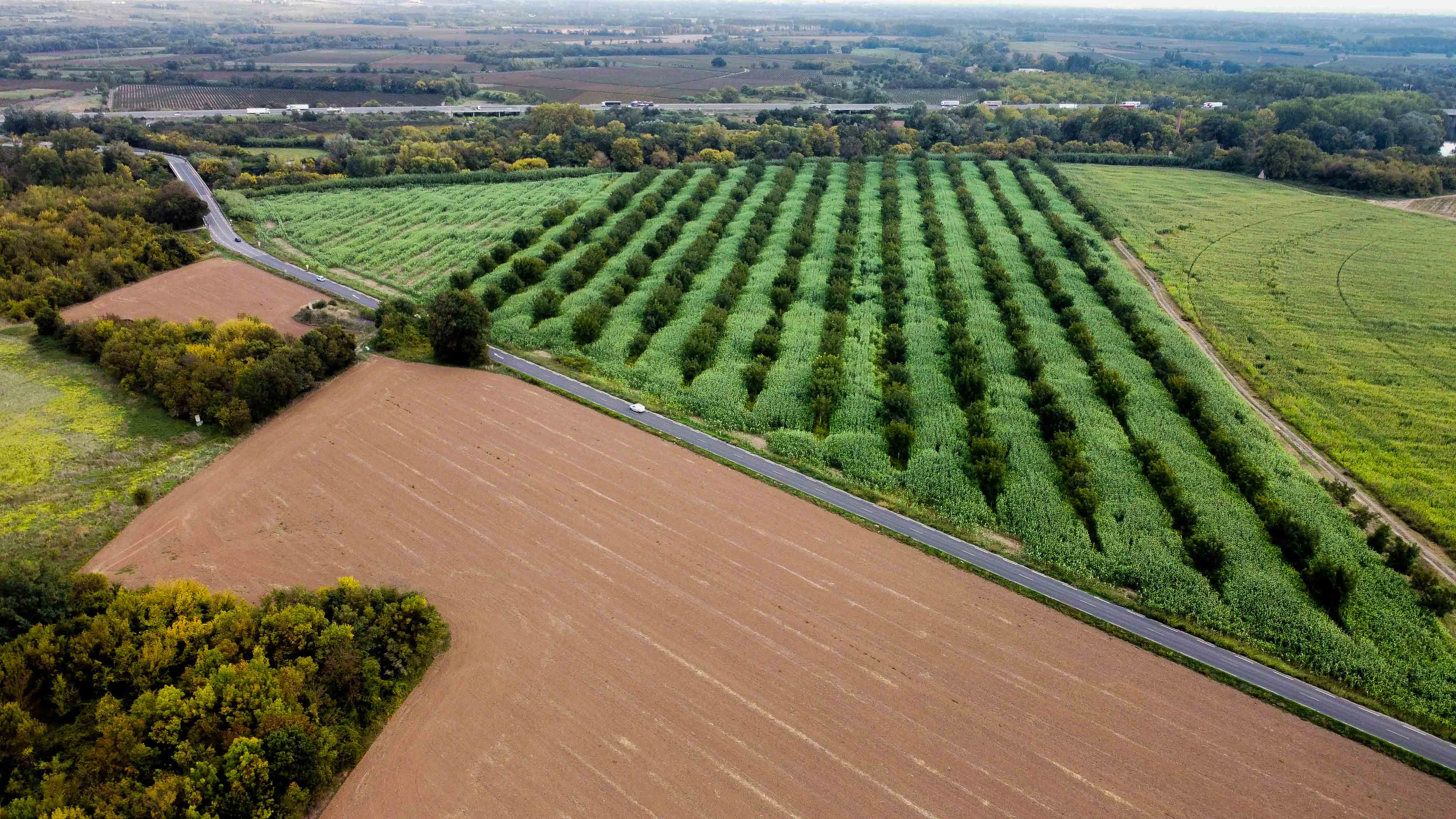
The grandfather planted vines and worked there with his horses fed with oats from the farm. The father started multiplying varieties of maize and sunflower seeds for other farmers. The neighbors of the exploitation being in viticulture, the exploitation is ideally located to guarantee the genetic purity of these seeds. Finally the two brothers converted part of the land into agroforestry and another into apricot orchards with a permanent apiary. They are also looking to open up their farm more to the outside world and regularly welcome visitors. They may be other farmers, professionals from the agricultural world or even local politicians who have been seduced by their approach and who come to draw inspiration from certain specificities of this farm.
Thanks to this project, they want to go even further in their approach for a diversified agriculture that is more respectful of the environment. By changing their practices, an additional 554.04 tons of CO2 equivalent will be stored or avoided per year*, which would reduce greenhouse gas emissions from the operation.
Financing a project to reduce emissions in large scale crops makes it possible to reward reductions in emissions that are already effective depending on the progress of the project, unlike planting trees which will only sequester the CO2 expected in decades.
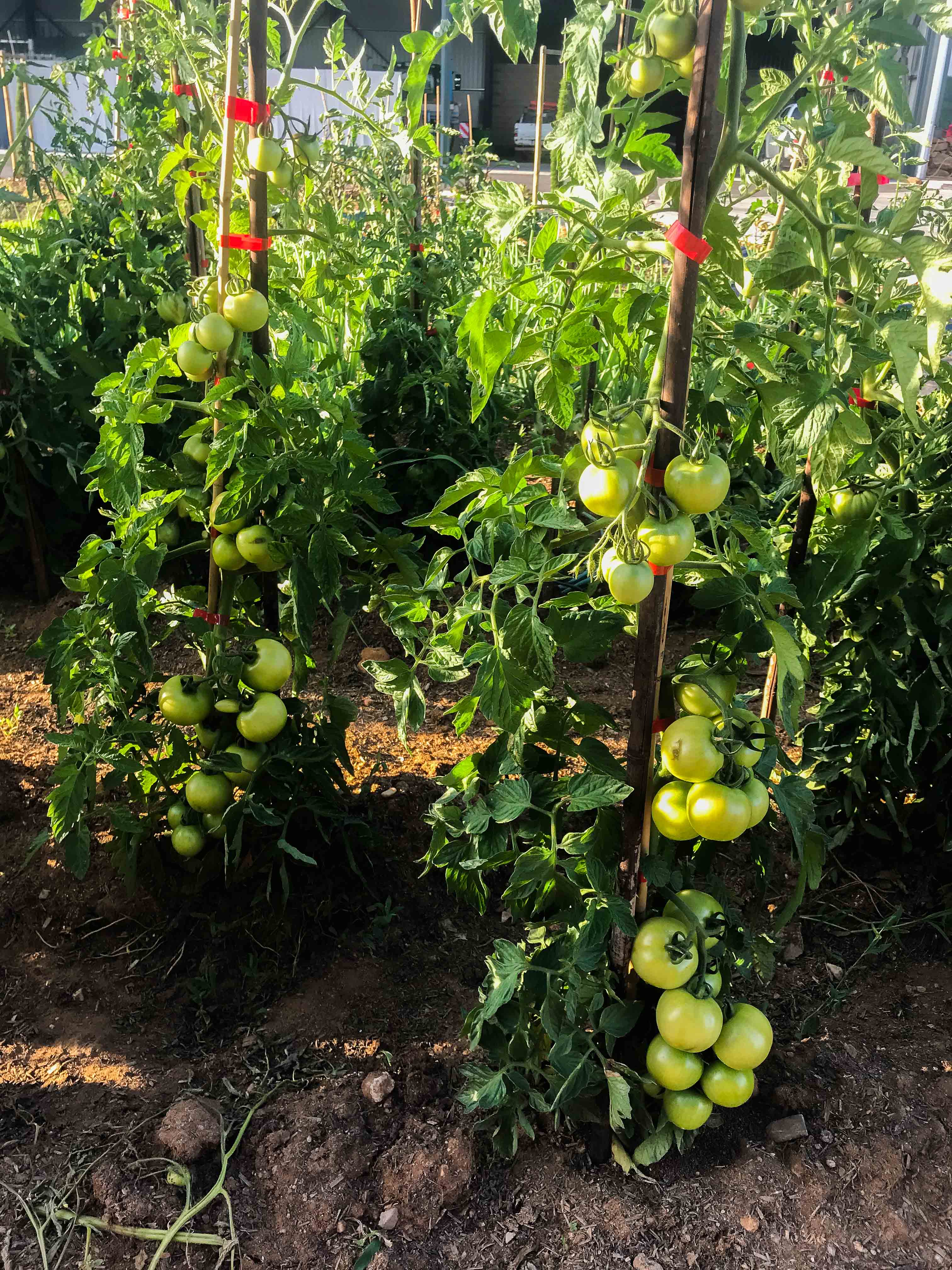
Diversification of cultivated species: rye, sorghum, and intercropping mixtures will be added to conventional crops, as well as intermediate crops that will protect the soil between two main crops and create organic fertilizer.
Reduction of inputs needed for production: less synthetic fertilizers and plant protection products will be used.
Lower energy consumption thanks to simplified tillage: reduction of tillage, increase in direct seeding and simplified techniques.
Production of local renewable energy: creation of the first methanizer in the Hérault producing gas to supply 1,700 households and providing digestate used as a substitute fertilizer for imported synthetic fertilizers.
* The final value of the estimate will only be established after verification by an independent auditor and an administrative verification decision.
 Label Bas Carbone
Examples: reducing the frequency of soil cultivation, minimalist plot preparation, restoring organic matter and preserving soil microfauna.
Examples: diversity and locality of crop species, preservation of habitat for local flora and fauna, presence of beehives for pollination.
Examples: territorial dynamics, societal demand, diversification of the activity, local sales/processing, working conditions, sharing of good practices.
Examples: reduction of energy consumption of mobile and stationary installations, reduction of journeys, on-site energy production.
Examples: reduction in the use of chemical mineral fertilizers, phytosanitary products, measurement of crop needs in real time via predictive tools.
SCEA l'Agri Mode
SCEA l'Agri Mode - Exploitation agricole majoritairement en Grandes Cultures
Read moreAccompany this operator in his search for more virtuous methods
The Agri Mode family grain farm is located in Saint-Thibéry in Hérault (34). It was taken over 10 years ago by two brothers: Bérenger and Aurélien. Their family has always had an agronomic and educational approach geared towards innovation. The last three successive generations have each left their mark on the farm.
The grandfather planted vines and worked there with his horses fed with oats from the farm. The father started multiplying varieties of maize and sunflower seeds for other farmers. The neighbors of the exploitation being in viticulture, the exploitation is ideally located to guarantee the genetic purity of these seeds. Finally the two brothers converted part of the land into agroforestry and another into apricot orchards with a permanent apiary. They are also looking to open up their farm more to the outside world and regularly welcome visitors. They may be other farmers, professionals from the agricultural world or even local politicians who have been seduced by their approach and who come to draw inspiration from certain specificities of this farm.
Thanks to this project, they want to go even further in their approach for a diversified agriculture that is more respectful of the environment. By changing their practices, an additional 554.04 tons of CO2 equivalent will be stored or avoided per year*, which would reduce greenhouse gas emissions from the operation.
Financing a project to reduce emissions in large scale crops makes it possible to reward reductions in emissions that are already effective depending on the progress of the project, unlike planting trees which will only sequester the CO2 expected in decades.
Diversification of cultivated species: rye, sorghum, and intercropping mixtures will be added to conventional crops, as well as intermediate crops that will protect the soil between two main crops and create organic fertilizer.
Reduction of inputs needed for production: less synthetic fertilizers and plant protection products will be used.
Lower energy consumption thanks to simplified tillage: reduction of tillage, increase in direct seeding and simplified techniques.
Production of local renewable energy: creation of the first methanizer in the Hérault producing gas to supply 1,700 households and providing digestate used as a substitute fertilizer for imported synthetic fertilizers.
* The final value of the estimate will only be established after verification by an independent auditor and an administrative verification decision.