
 Label Bas Carbone
Examples: reducing the frequency of soil cultivation, minimalist plot preparation, restoring organic matter and preserving soil microfauna.

Examples: diversity and locality of crop species, preservation of habitat for local flora and fauna, presence of beehives for pollination.

Examples: territorial dynamics, societal demand, diversification of the activity, local sales/processing, working conditions, sharing of good practices.

Examples: Consideration of wetlands, use of adapted species, drip-connected irrigation tools.
EARL de la Ville Neuve
EARL de la Ville Neuve - Exploitation agricole cultivant entre autres des noisetiers
Read morePlantation of 21.4 hectares on several plots
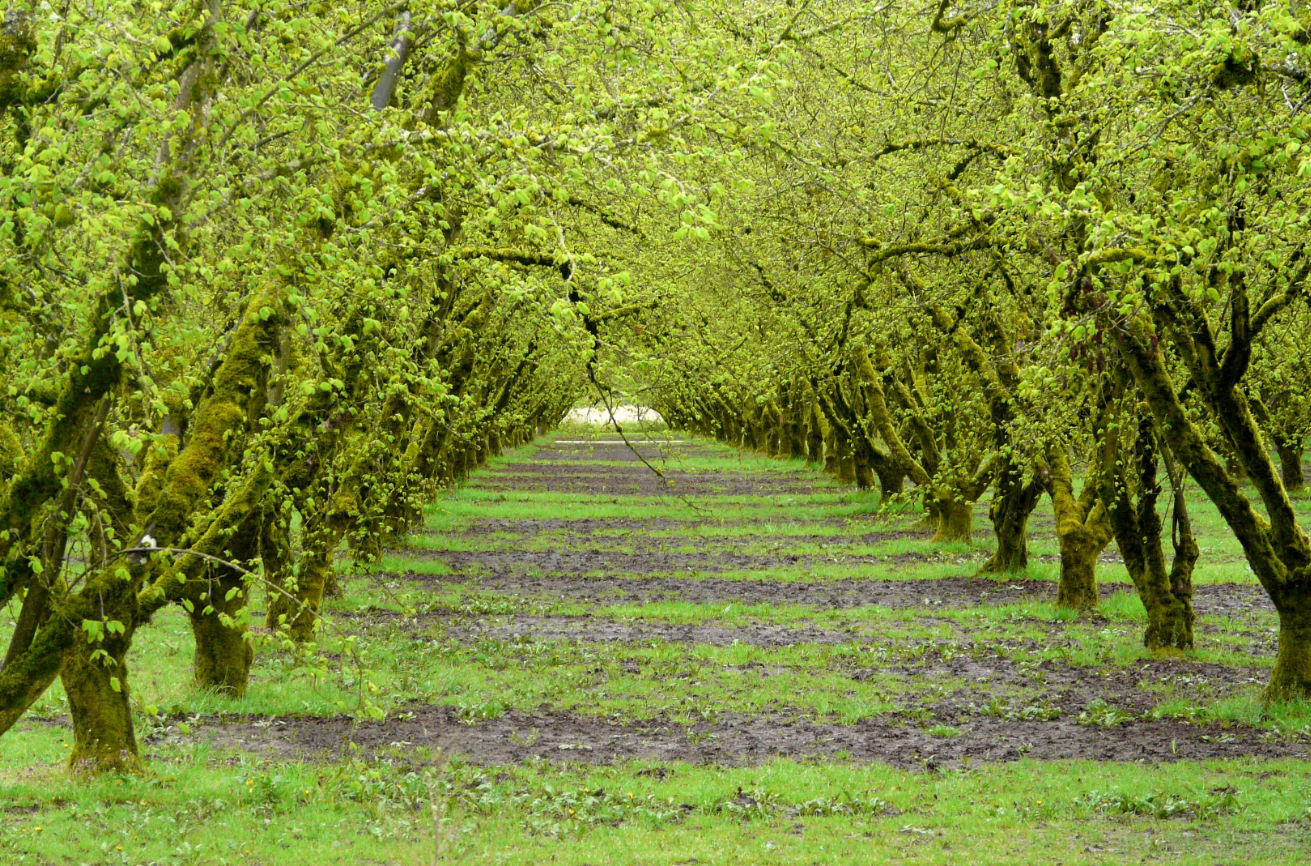
Located in the heart of Brittany's Côtes d'Armor department, this project is part of a region rich in agricultural history and iconic hedged landscapes. Saint-Gilles-les-Bois, a peaceful village, benefits from a mild and humid oceanic climate, favorable to diversified agriculture. The region, renowned for its rural dynamism, combines agricultural tradition and innovation, while promoting biodiversity and soil preservation. This Breton region, marked by cereal cultivation and livestock farming, is now beginning a transition towards new promising sectors, including nut farming. This new orchard embodies the Breton agricultural transition and offers a replicable model for other territories seeking resilience and innovation.
Mr. Daniel plans to create a new fruit and tree business on his farm by planting 21.4 hectares of hazelnut trees during the winter of 2024-2025. The selected plots in Saint-Gilles-les-Bois and Saint-Clet were previously used for annual crops. This culture is still very little established in Brittany.
Planting permanent trees will make it possible to sequester more CO2 throughout the year compared to a temporary crop. 1,180.24 tonnes of CO2 equivalent will be captured over 20 years*.
This project will relocate hazelnut production in France because this product is currently largely imported from abroad. A majority of the farm's hazelnut sales are made locally.
The soil will also be able to sequester more CO2 because it will no longer be worked each year. In addition, this new plantation will require little fertilizer and treatment compared to previous crops, mechanical weeding is planned.
The water resource will be preserved because the orchards will not be irrigated and will be 90% grassed, which among other things allows for better retention of rainwater.
The project allows for the diversification of crops on the farm, as well as the farmer's sources of income. The installation of 20 beehives on these plots is planned outside the winter period.
* The final value of the estimate will only be established after verification by an independent auditor and an administrative verification decision.
 Label Bas Carbone
Examples: reducing the frequency of soil cultivation, minimalist plot preparation, restoring organic matter and preserving soil microfauna.
Examples: diversity and locality of crop species, preservation of habitat for local flora and fauna, presence of beehives for pollination.
Examples: territorial dynamics, societal demand, diversification of the activity, local sales/processing, working conditions, sharing of good practices.
Examples: Consideration of wetlands, use of adapted species, drip-connected irrigation tools.
EARL de la Ville Neuve
EARL de la Ville Neuve - Exploitation agricole cultivant entre autres des noisetiers
Read morePlantation of 21.4 hectares on several plots
Located in the heart of Brittany's Côtes d'Armor department, this project is part of a region rich in agricultural history and iconic hedged landscapes. Saint-Gilles-les-Bois, a peaceful village, benefits from a mild and humid oceanic climate, favorable to diversified agriculture. The region, renowned for its rural dynamism, combines agricultural tradition and innovation, while promoting biodiversity and soil preservation. This Breton region, marked by cereal cultivation and livestock farming, is now beginning a transition towards new promising sectors, including nut farming. This new orchard embodies the Breton agricultural transition and offers a replicable model for other territories seeking resilience and innovation.
Mr. Daniel plans to create a new fruit and tree business on his farm by planting 21.4 hectares of hazelnut trees during the winter of 2024-2025. The selected plots in Saint-Gilles-les-Bois and Saint-Clet were previously used for annual crops. This culture is still very little established in Brittany.
Planting permanent trees will make it possible to sequester more CO2 throughout the year compared to a temporary crop. 1,180.24 tonnes of CO2 equivalent will be captured over 20 years*.
This project will relocate hazelnut production in France because this product is currently largely imported from abroad. A majority of the farm's hazelnut sales are made locally.
The soil will also be able to sequester more CO2 because it will no longer be worked each year. In addition, this new plantation will require little fertilizer and treatment compared to previous crops, mechanical weeding is planned.
The water resource will be preserved because the orchards will not be irrigated and will be 90% grassed, which among other things allows for better retention of rainwater.
The project allows for the diversification of crops on the farm, as well as the farmer's sources of income. The installation of 20 beehives on these plots is planned outside the winter period.
* The final value of the estimate will only be established after verification by an independent auditor and an administrative verification decision.