
 Label Bas Carbone
Examples: reducing the frequency of soil cultivation, minimalist plot preparation, restoring organic matter and preserving soil microfauna.

Examples: diversity and locality of crop species, preservation of habitat for local flora and fauna, presence of beehives for pollination.

Examples: territorial dynamics, societal demand, diversification of the activity, local sales/processing, working conditions, sharing of good practices.

Examples: Consideration of wetlands, use of adapted species, drip-connected irrigation tools.
EARL de Palustranne
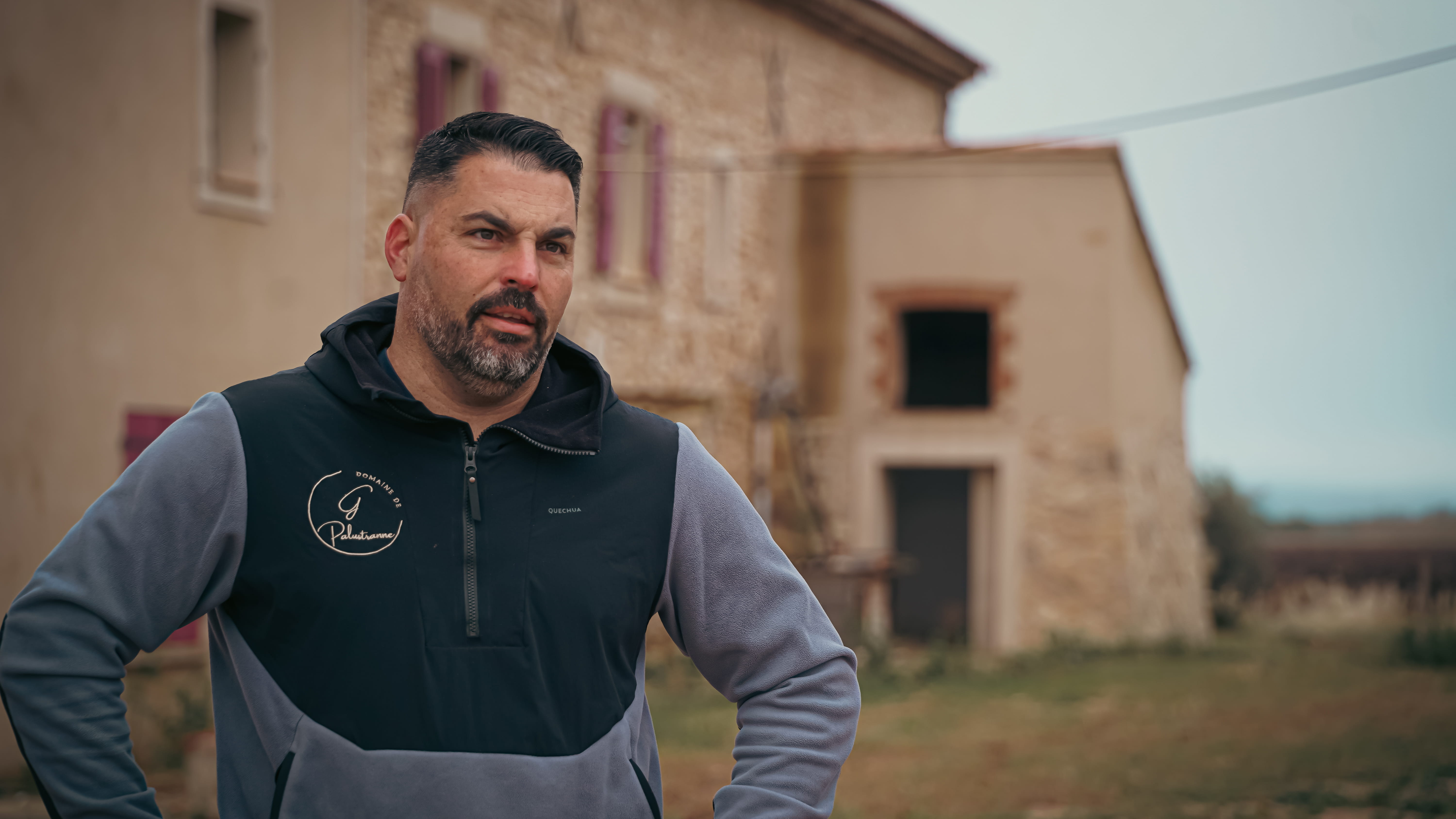
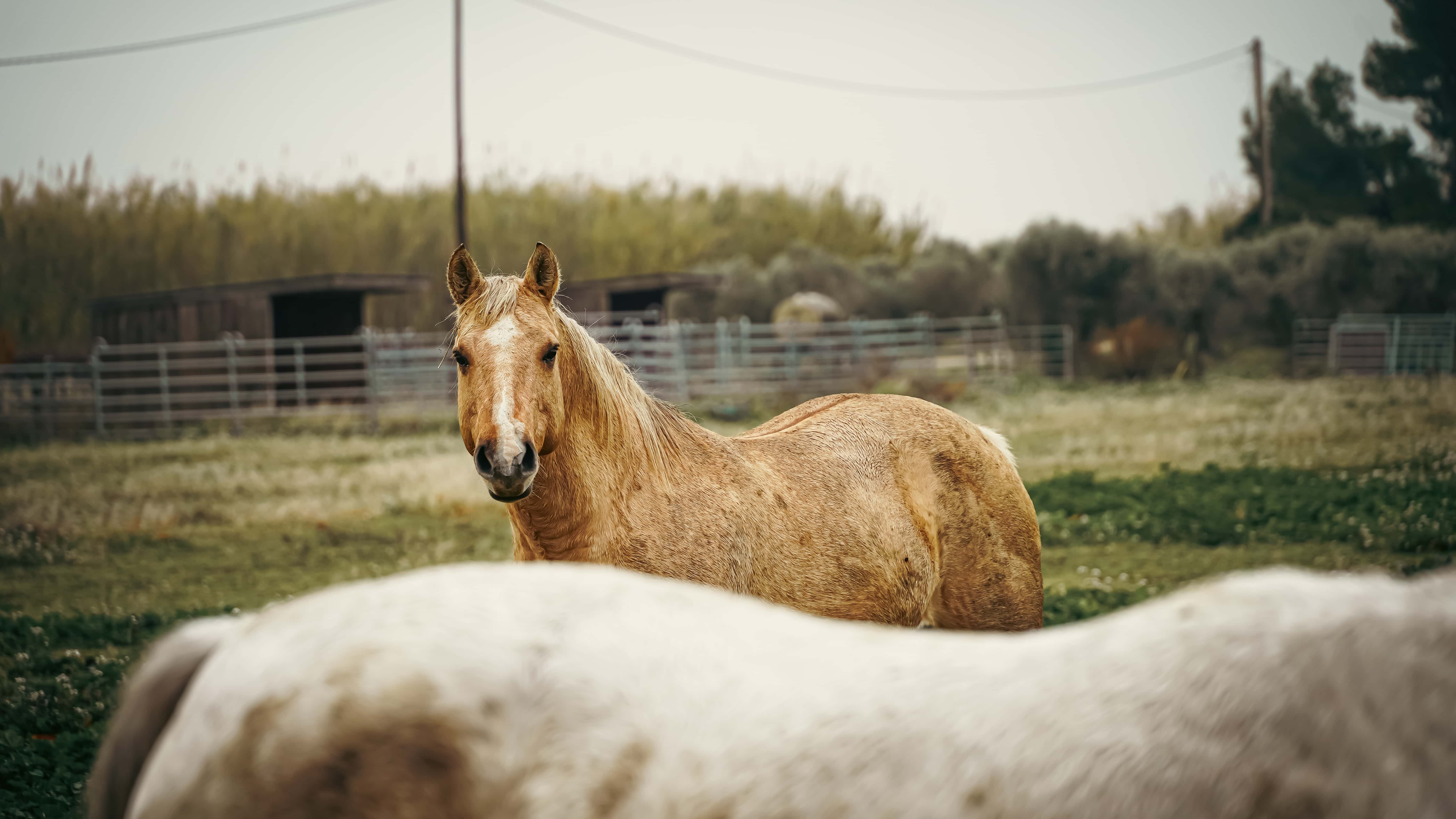
EARL de Palustranne - Farm cultivating among other things almond trees.
Read moreCreation of 5.8 hectares of orchards in the commune of Berre-l'Etang
EARL de Palustranne plans to expand its orchards by planting 5.8 hectares of almond trees in early 2025. The plots were previously used for arable farming. Planting permanent trees will help to sequester more CO2 : 256.33 tonnes of CO2eq more over 20 years*.
The fruit will be harvested by the Sud Amandes agricultural cooperative, a partner in the project, which produces, processes and markets French almonds for professional confectioners, pastry-makers, nougat-makers and chocolate-makers.
This project will enable almond production to be relocated to France, where most almonds are currently imported from abroad. Most of the almonds will be marketed in France by Sud Amandes.
The farm has held High Environmental Value (HVE) certification since 2021, which guarantees the rational and efficient management of its inputs (fertilisers, irrigation, phytosanitary products) as well as the preservation of hedges, tree lines, woodland edges and other natural features of ecological interest around the plots.
The soil will also be able to sequester more CO2 because it will no longer be worked every year. What's more, this new plantation will require less fertiliser and treatments than previous crops. This new cultivation method will help to avoid emissions, making the project even more virtuous.
Water resources will be used sparingly, as the orchards have a precision irrigation system.
Around fifteen beehives will also be associated with the project to encourage pollination.
* The final value of the estimate will only be established after verification by an independent auditor and an administrative decision on verification.
 Label Bas Carbone
Examples: reducing the frequency of soil cultivation, minimalist plot preparation, restoring organic matter and preserving soil microfauna.
Examples: diversity and locality of crop species, preservation of habitat for local flora and fauna, presence of beehives for pollination.
Examples: territorial dynamics, societal demand, diversification of the activity, local sales/processing, working conditions, sharing of good practices.
Examples: Consideration of wetlands, use of adapted species, drip-connected irrigation tools.
EARL de Palustranne
EARL de Palustranne - Farm cultivating among other things almond trees.
Read moreCreation of 5.8 hectares of orchards in the commune of Berre-l'Etang
EARL de Palustranne plans to expand its orchards by planting 5.8 hectares of almond trees in early 2025. The plots were previously used for arable farming. Planting permanent trees will help to sequester more CO2 : 256.33 tonnes of CO2eq more over 20 years*.
The fruit will be harvested by the Sud Amandes agricultural cooperative, a partner in the project, which produces, processes and markets French almonds for professional confectioners, pastry-makers, nougat-makers and chocolate-makers.
This project will enable almond production to be relocated to France, where most almonds are currently imported from abroad. Most of the almonds will be marketed in France by Sud Amandes.
The farm has held High Environmental Value (HVE) certification since 2021, which guarantees the rational and efficient management of its inputs (fertilisers, irrigation, phytosanitary products) as well as the preservation of hedges, tree lines, woodland edges and other natural features of ecological interest around the plots.
The soil will also be able to sequester more CO2 because it will no longer be worked every year. What's more, this new plantation will require less fertiliser and treatments than previous crops. This new cultivation method will help to avoid emissions, making the project even more virtuous.
Water resources will be used sparingly, as the orchards have a precision irrigation system.
Around fifteen beehives will also be associated with the project to encourage pollination.
* The final value of the estimate will only be established after verification by an independent auditor and an administrative decision on verification.