
 Label Bas Carbone
Examples: reducing the frequency of soil cultivation, minimalist plot preparation, restoring organic matter and preserving soil microfauna.

Examples: diversity and locality of crop species, preservation of habitat for local flora and fauna, presence of beehives for pollination.

Examples: Consideration of wetlands, use of adapted species, drip-connected irrigation tools.
Reforestation of 3.4 ha after bark beetle attacks
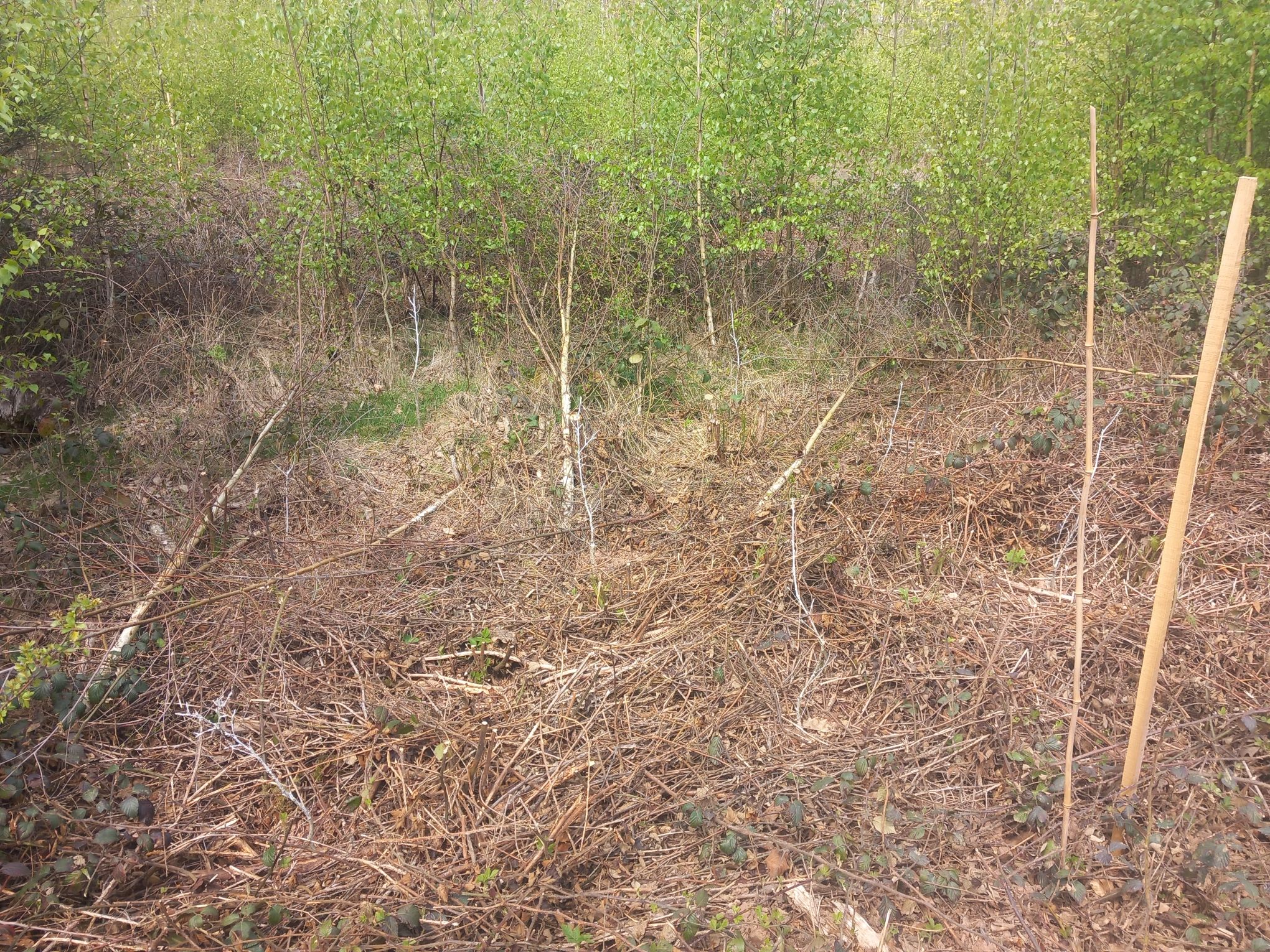
Due to the shortening of cold winters regulating insect populations, bark beetles are developing exponentially and nibbling away at stands. In the forests of the Grand Est, which are composed of spruce, the impact is considerable.
This epidemic mainly concerns the forests of northern and eastern France and causes rapid decline, or even the death of trees. This phenomenon is easily identifiable with stands turning from green to brown or white, becoming sensitive to the slightest gust of wind. These “dry” woodlands end up crashing to the ground, leaving desolate landscapes and no longer capturing CO2. If the forest massif is neither adapted nor renewed, this situation can lead to its gradual disappearance. Since the trees no longer have any value, forest management is also compromised. We are talking here about a "silvicultural dead end".
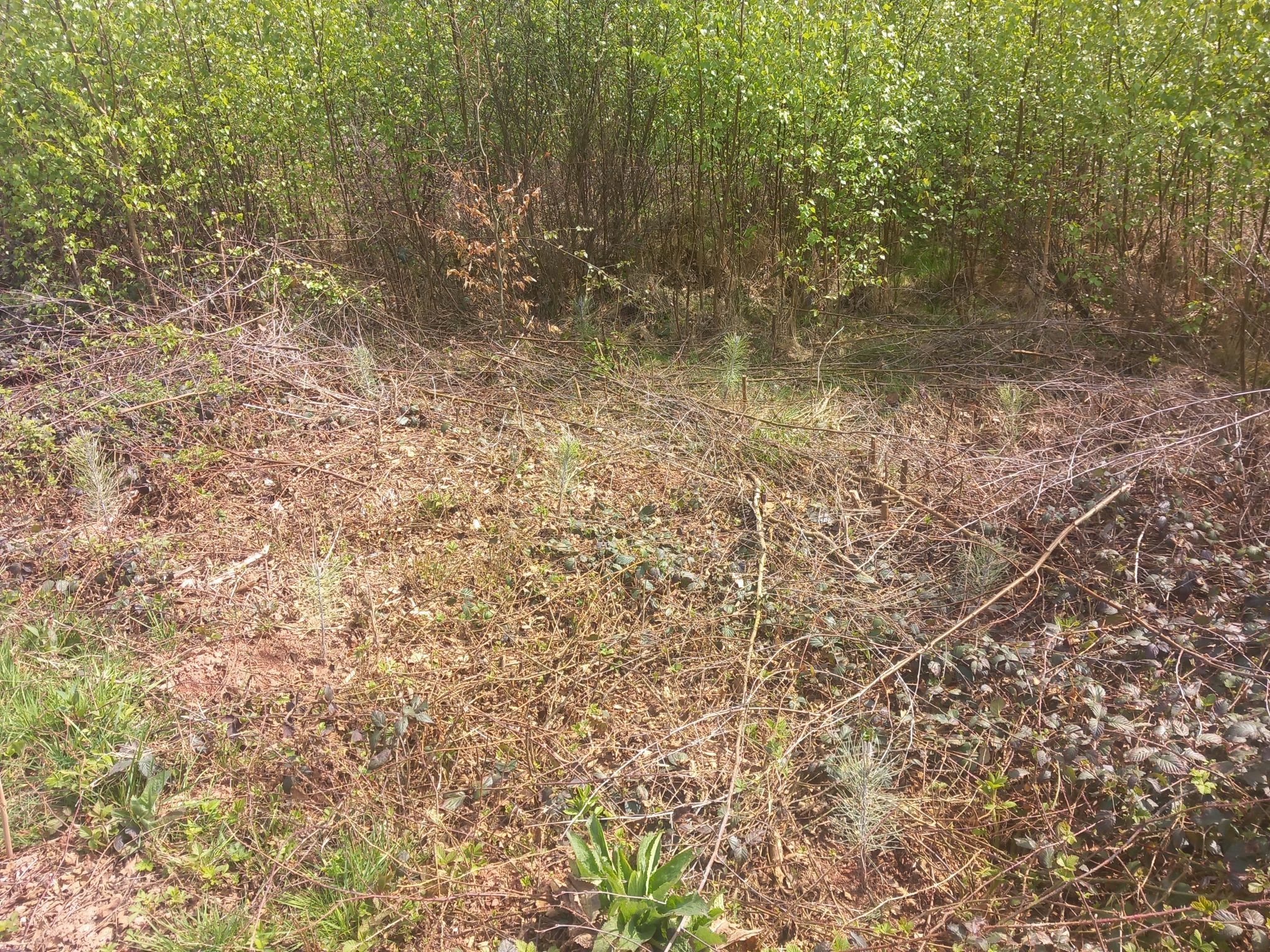
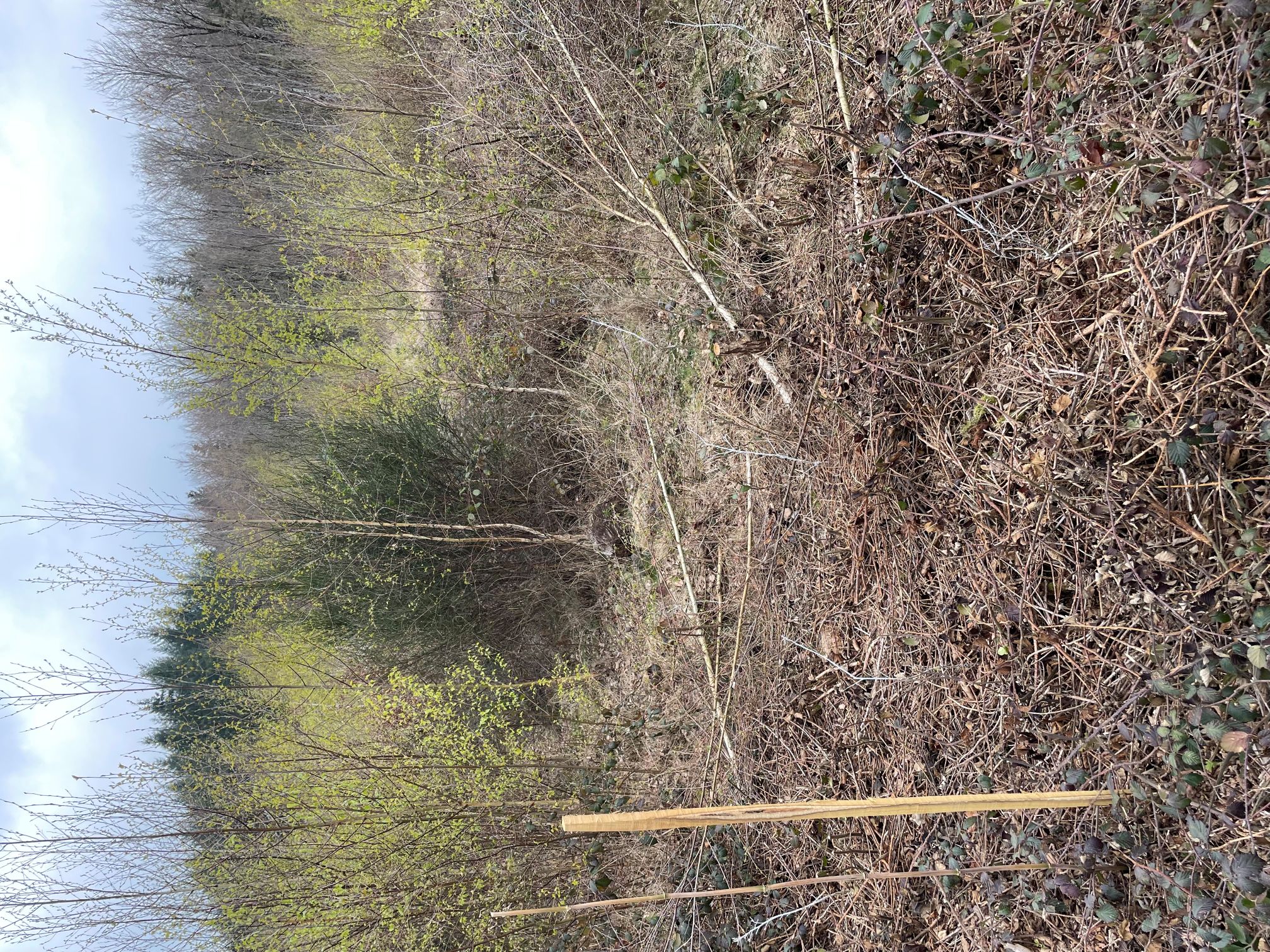
This 3.4 hectare reforestation project located in Ville-sur-Illon in the Vosges will make it possible to store 1347 tonnes of CO2 equivalent in 30 years*. The plots concerned by the project were completely harvested because of the bark beetle. The existing stand was unfortunately almost monospecific and reforestation is therefore essential. It was chosen to install a mixture of species (corsican pine, sessile oak and pubescent oak) better adapted to prolonged hot periods.
Socio-economic: A local forestry company will carry out the reforestation.
Soil preservation: The soil will be prepared very superficially before reforestation to preserve the microfauna and the carbon of the forest soils.
Biodiversity: Broadleaf trees will be introduced and reforestation will only target the impacted areas of the massif. A partial natural regeneration of the plots has been observed and will be supported and maintained in addition to the planting.
* The final value of the estimate will not be established only after verification by an independent auditor and an administrative verification decision.
 Label Bas Carbone
Examples: reducing the frequency of soil cultivation, minimalist plot preparation, restoring organic matter and preserving soil microfauna.
Examples: diversity and locality of crop species, preservation of habitat for local flora and fauna, presence of beehives for pollination.
Examples: Consideration of wetlands, use of adapted species, drip-connected irrigation tools.
Reforestation of 3.4 ha after bark beetle attacks
Due to the shortening of cold winters regulating insect populations, bark beetles are developing exponentially and nibbling away at stands. In the forests of the Grand Est, which are composed of spruce, the impact is considerable.
This epidemic mainly concerns the forests of northern and eastern France and causes rapid decline, or even the death of trees. This phenomenon is easily identifiable with stands turning from green to brown or white, becoming sensitive to the slightest gust of wind. These “dry” woodlands end up crashing to the ground, leaving desolate landscapes and no longer capturing CO2. If the forest massif is neither adapted nor renewed, this situation can lead to its gradual disappearance. Since the trees no longer have any value, forest management is also compromised. We are talking here about a "silvicultural dead end".
This 3.4 hectare reforestation project located in Ville-sur-Illon in the Vosges will make it possible to store 1347 tonnes of CO2 equivalent in 30 years*. The plots concerned by the project were completely harvested because of the bark beetle. The existing stand was unfortunately almost monospecific and reforestation is therefore essential. It was chosen to install a mixture of species (corsican pine, sessile oak and pubescent oak) better adapted to prolonged hot periods.
Socio-economic: A local forestry company will carry out the reforestation.
Soil preservation: The soil will be prepared very superficially before reforestation to preserve the microfauna and the carbon of the forest soils.
Biodiversity: Broadleaf trees will be introduced and reforestation will only target the impacted areas of the massif. A partial natural regeneration of the plots has been observed and will be supported and maintained in addition to the planting.
* The final value of the estimate will not be established only after verification by an independent auditor and an administrative verification decision.