 Label Bas Carbone
Examples: reducing the frequency of soil cultivation, minimalist plot preparation, restoring organic matter and preserving soil microfauna.

Examples: diversity and locality of crop species, preservation of habitat for local flora and fauna, presence of beehives for pollination.

Examples: territorial dynamics, societal demand, diversification of the activity, local sales/processing, working conditions, sharing of good practices.

Examples: Consideration of wetlands, use of adapted species, drip-connected irrigation tools.
EARL Bal Haie
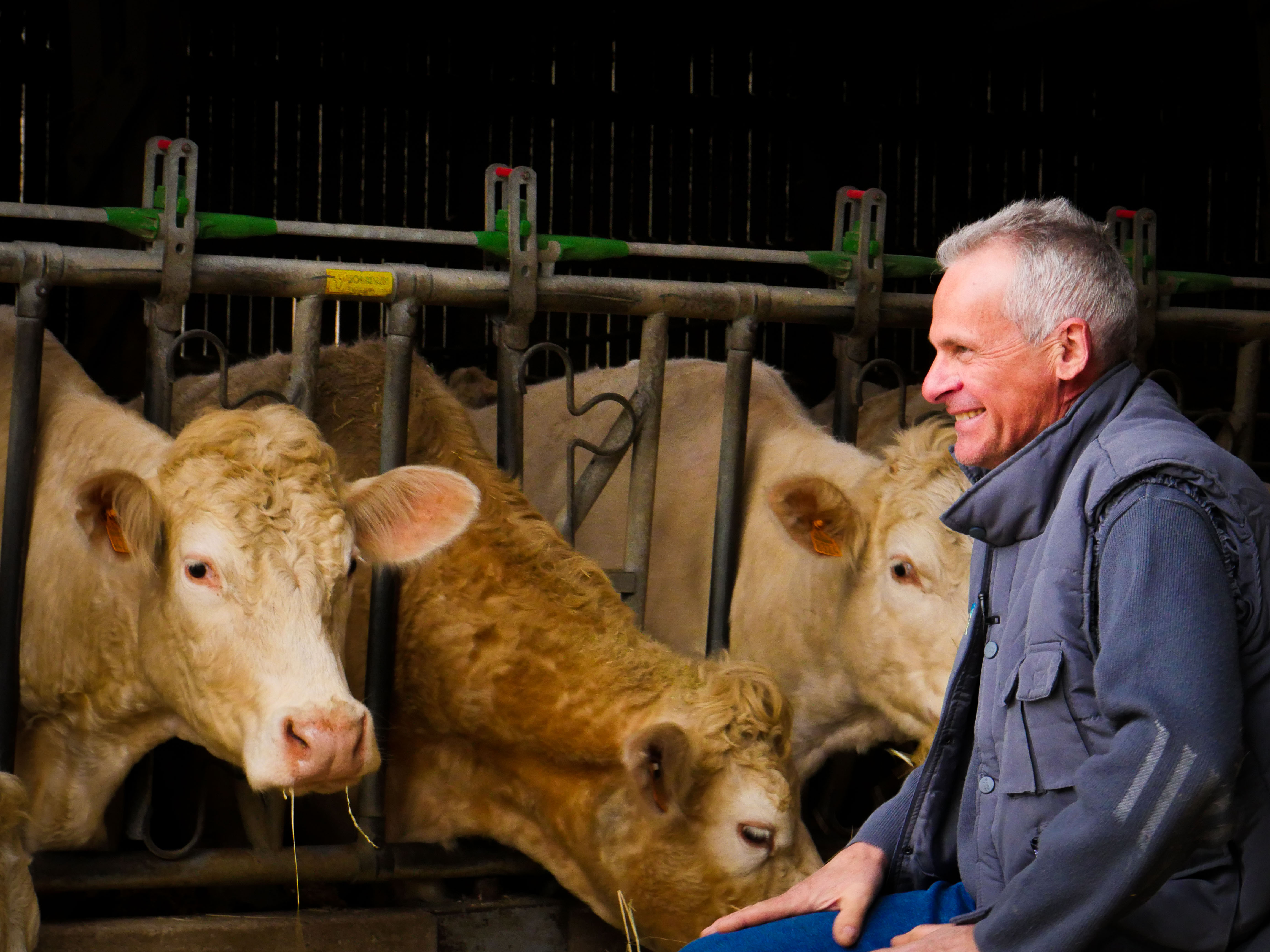
Eric Wollbrett is the manager of his cattle farm EARL Bal Haie. He is committed to continuously improving his practices to cope with changing contexts, with a view to autonomy, animal welfare and respect for the environment.
Read moreSupport French leather production and its virtuous breeding practices with this project lead by Eric Wollbrett
In the current changing environment, supporting French cattle breeders means both reducing their GHG emissions through environmentally friendly practices and storing carbon in the soil through the development of grasslands and pastures. This assistance to the development of the French industry also enables the avoidance of imports, which have a significant carbon footprint.
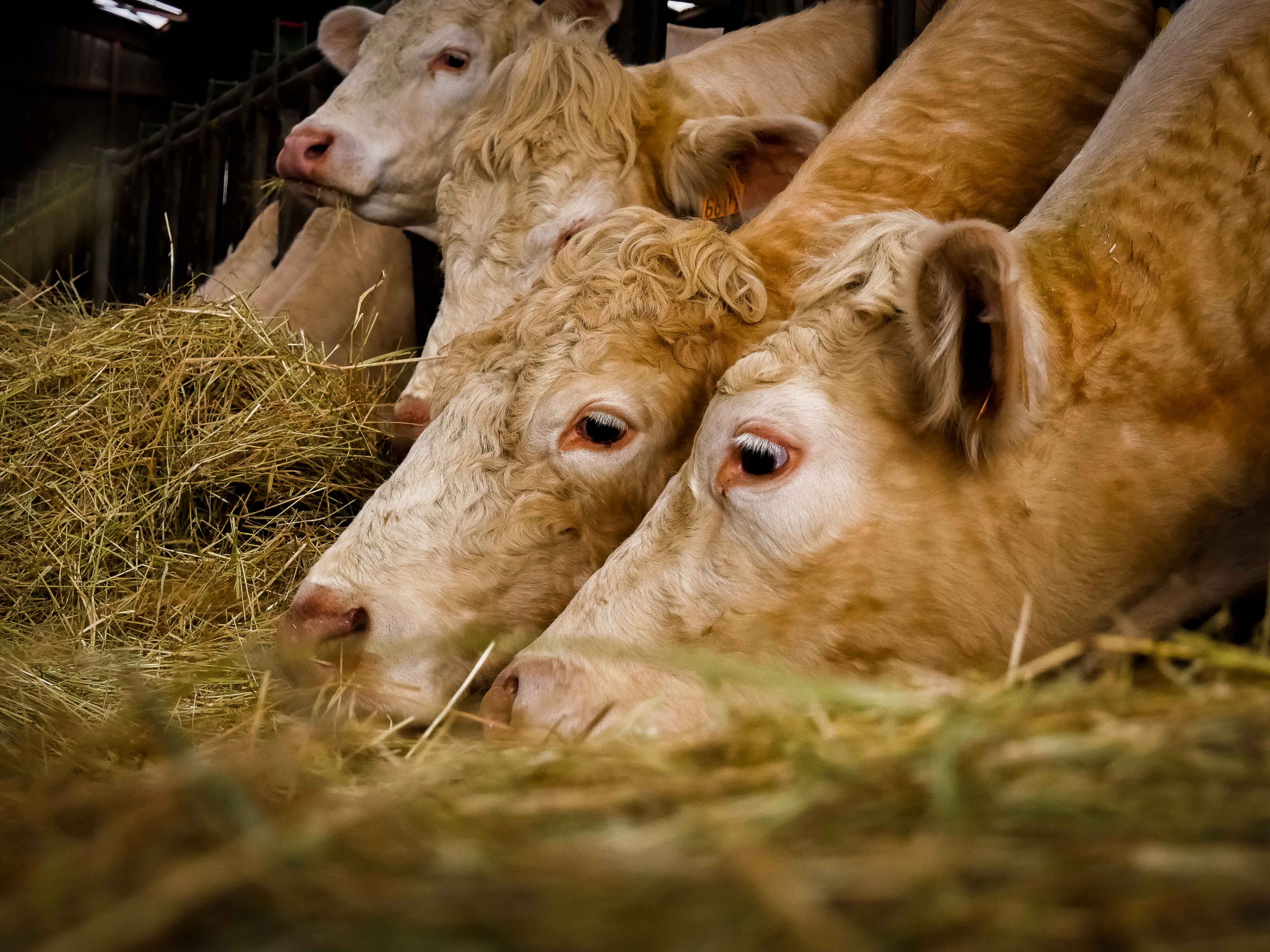
Good animal breeding and feeding practices are very important, as is the time spent in the field. They improve the health and welfare of the animals and therefore the quality of their skins, which is essential for the fashion, footwear and leather goods industries.
This cattle farm, which produces meat (as distinct from dairy products), supplies the French leather industry. Located in Amelécourt (57), this company committed itself in 2019 to the transition of its practices on the basis of an initial carbon diagnosis and a five-year action plan. This action plan will enable the avoidance and storage of 255 tonnes of greenhouse gas emissions (CO2 equivalent)*.
The measures are chosen for their capacity to store carbon and avoid atmospheric emissions, but also for their potential to improve animal welfare, health and leather quality.
=> Development of grasslands and pastures, with a considerable improvement in the quality of the animal feed, and in animal welfare as the animals spend more time outside. This is what we call the "time spent in the field". The more the animals are outside, the healthier they are. It is about getting closer to optimal breeding conditions.
This also protects the animals from sanitary and pathogenic hazards, as the more the animals are taken out, the less likely they are to be affected by diseases, which tend to develop indoors. These sanitary risks can be a great nuisance for the animal and therefore the quality of its leather.
=> Important management tools are put in place to limit methane emissions from livestock. The life cycle of the animals, their number and renewal, their health and development are therefore monitored. The aim is to have a rational livestock configuration in terms of development and renewal, while limiting enteric greenhouse gas emissions, such as methane.
=> The farm takes into account the respect of biodiversity with different favourable impacts, including the suppression of all chemical products in the pastures. This is also a good sign for the preservation of water, and of the natural spring on the farm.
=> From a socio-economic perspective, this farm is also very involved, alongside its local cooperative, in the economic network of the area by only supplying the Grand-East region.
* The final value of the estimate will be established only after verification by an independent auditor and an administrative verification decision.
 Label Bas Carbone
Examples: reducing the frequency of soil cultivation, minimalist plot preparation, restoring organic matter and preserving soil microfauna.
Examples: diversity and locality of crop species, preservation of habitat for local flora and fauna, presence of beehives for pollination.
Examples: territorial dynamics, societal demand, diversification of the activity, local sales/processing, working conditions, sharing of good practices.
Examples: Consideration of wetlands, use of adapted species, drip-connected irrigation tools.
EARL Bal Haie
Eric Wollbrett is the manager of his cattle farm EARL Bal Haie. He is committed to continuously improving his practices to cope with changing contexts, with a view to autonomy, animal welfare and respect for the environment.
Read moreSupport French leather production and its virtuous breeding practices with this project lead by Eric Wollbrett
In the current changing environment, supporting French cattle breeders means both reducing their GHG emissions through environmentally friendly practices and storing carbon in the soil through the development of grasslands and pastures. This assistance to the development of the French industry also enables the avoidance of imports, which have a significant carbon footprint.
Good animal breeding and feeding practices are very important, as is the time spent in the field. They improve the health and welfare of the animals and therefore the quality of their skins, which is essential for the fashion, footwear and leather goods industries.
This cattle farm, which produces meat (as distinct from dairy products), supplies the French leather industry. Located in Amelécourt (57), this company committed itself in 2019 to the transition of its practices on the basis of an initial carbon diagnosis and a five-year action plan. This action plan will enable the avoidance and storage of 255 tonnes of greenhouse gas emissions (CO2 equivalent)*.
The measures are chosen for their capacity to store carbon and avoid atmospheric emissions, but also for their potential to improve animal welfare, health and leather quality.
=> Development of grasslands and pastures, with a considerable improvement in the quality of the animal feed, and in animal welfare as the animals spend more time outside. This is what we call the "time spent in the field". The more the animals are outside, the healthier they are. It is about getting closer to optimal breeding conditions.
This also protects the animals from sanitary and pathogenic hazards, as the more the animals are taken out, the less likely they are to be affected by diseases, which tend to develop indoors. These sanitary risks can be a great nuisance for the animal and therefore the quality of its leather.
=> Important management tools are put in place to limit methane emissions from livestock. The life cycle of the animals, their number and renewal, their health and development are therefore monitored. The aim is to have a rational livestock configuration in terms of development and renewal, while limiting enteric greenhouse gas emissions, such as methane.
=> The farm takes into account the respect of biodiversity with different favourable impacts, including the suppression of all chemical products in the pastures. This is also a good sign for the preservation of water, and of the natural spring on the farm.
=> From a socio-economic perspective, this farm is also very involved, alongside its local cooperative, in the economic network of the area by only supplying the Grand-East region.
* The final value of the estimate will be established only after verification by an independent auditor and an administrative verification decision.