
 Label Bas Carbone
Examples: diversity and locality of crop species, preservation of habitat for local flora and fauna, presence of beehives for pollination.

Examples: territorial dynamics, societal demand, diversification of the activity, local sales/processing, working conditions, sharing of good practices.

Pépinières Naudet is one of the main French producers of young forest plants, which are planted all over France.
Read morePlanting a mix of species adapted to global warming in the commune of Moussac
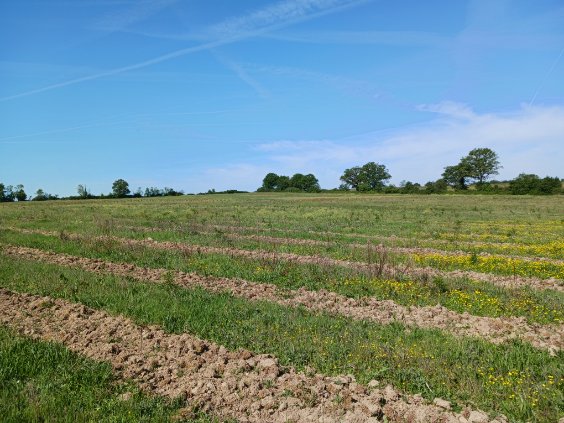
This project is located in the commune of Moussac in Vienne, the afforestation will take place on former agricultural land that is no longer exploited. This afforestation project will create 51.5 hectares of forests, with 6 species adapted to global warming: black locust, gundal eucalyptus, Atlas cedar, maritime pine, holm oak and pubescent oak. The plantation is planned for the winter of 2024-2025 and will sequester 25,144 tonnes of CO2eq in 30 years*.
In terms of co-benefits:
Socio-economic: Local forestry companies will be commissioned for this afforestation, and PEFC certification of the afforestation is planned.
Biodiversity: the plantation will take into account the existing tree lines in order to preserve and prolong them.
* The final value of the estimate will only be established after verification by an independent auditor and an administrative verification decision.
 Label Bas Carbone
Examples: diversity and locality of crop species, preservation of habitat for local flora and fauna, presence of beehives for pollination.
Examples: territorial dynamics, societal demand, diversification of the activity, local sales/processing, working conditions, sharing of good practices.
Pépinières Naudet is one of the main French producers of young forest plants, which are planted all over France.
Read morePlanting a mix of species adapted to global warming in the commune of Moussac
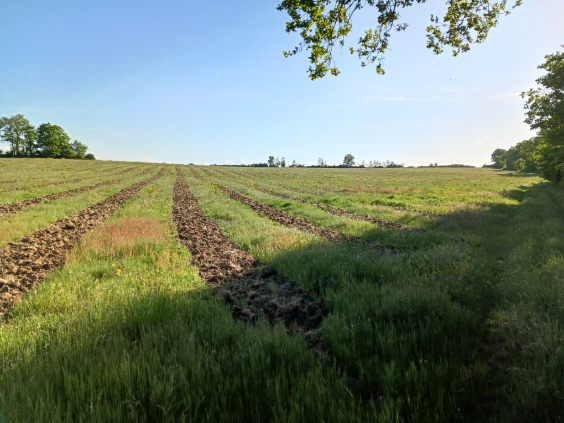
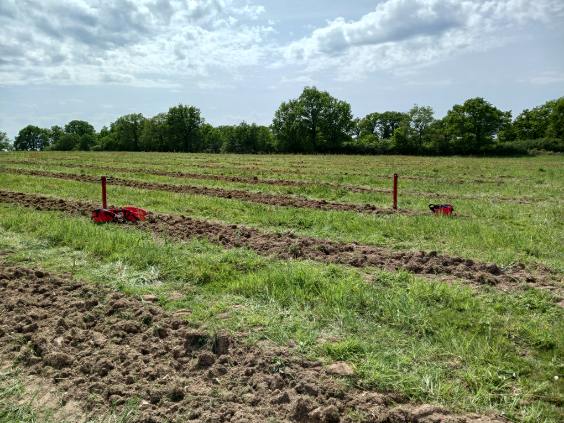
This project is located in the commune of Moussac in Vienne, the afforestation will take place on former agricultural land that is no longer exploited. This afforestation project will create 51.5 hectares of forests, with 6 species adapted to global warming: black locust, gundal eucalyptus, Atlas cedar, maritime pine, holm oak and pubescent oak. The plantation is planned for the winter of 2024-2025 and will sequester 25,144 tonnes of CO2eq in 30 years*.
In terms of co-benefits:
Socio-economic: Local forestry companies will be commissioned for this afforestation, and PEFC certification of the afforestation is planned.
Biodiversity: the plantation will take into account the existing tree lines in order to preserve and prolong them.
* The final value of the estimate will only be established after verification by an independent auditor and an administrative verification decision.