
 Label Bas Carbone
Examples: reducing the frequency of soil cultivation, minimalist plot preparation, restoring organic matter and preserving soil microfauna.

Examples: territorial dynamics, societal demand, diversification of the activity, local sales/processing, working conditions, sharing of good practices.

Examples: Consideration of wetlands, use of adapted species, drip-connected irrigation tools.

Pépinières Naudet is one of the main French producers of young forest plants, which are planted all over France.
Read moreReforestation of 5.5 hectares in the Allier region
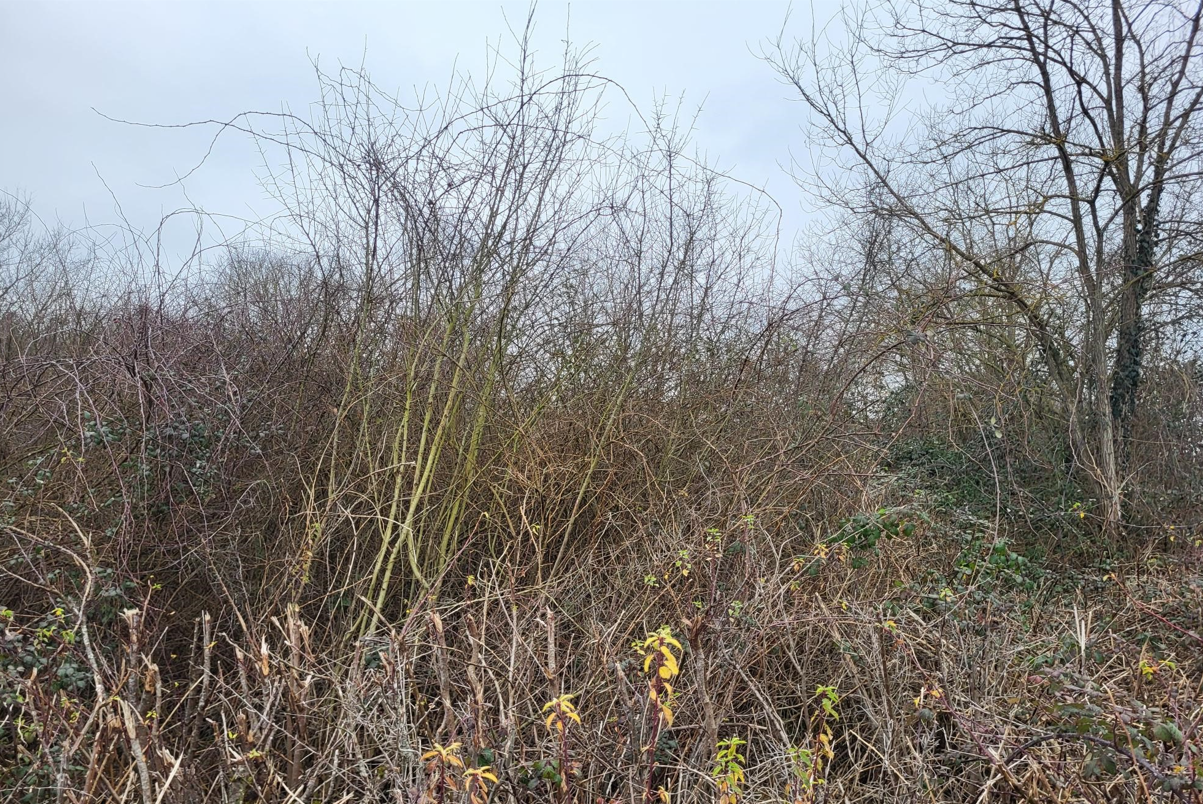
Located in the Allier department, the commune of Mercy is part of the Auvergne-Rhône-Alpes region, renowned for its rolling landscapes, extensive forests, and commitment to environmental preservation. Allier is a mosaic of terroirs, blending ancient agricultural and forestry traditions with a modern drive for ecological transition. Forests play a central role in the local economy and culture, with remarkable biodiversity and a history shaped by wood and rural life. The region’s temperate climate, marked by mild summers and occasionally harsh winters, offers ideal conditions for forest renewal, crucial for climate resilience.
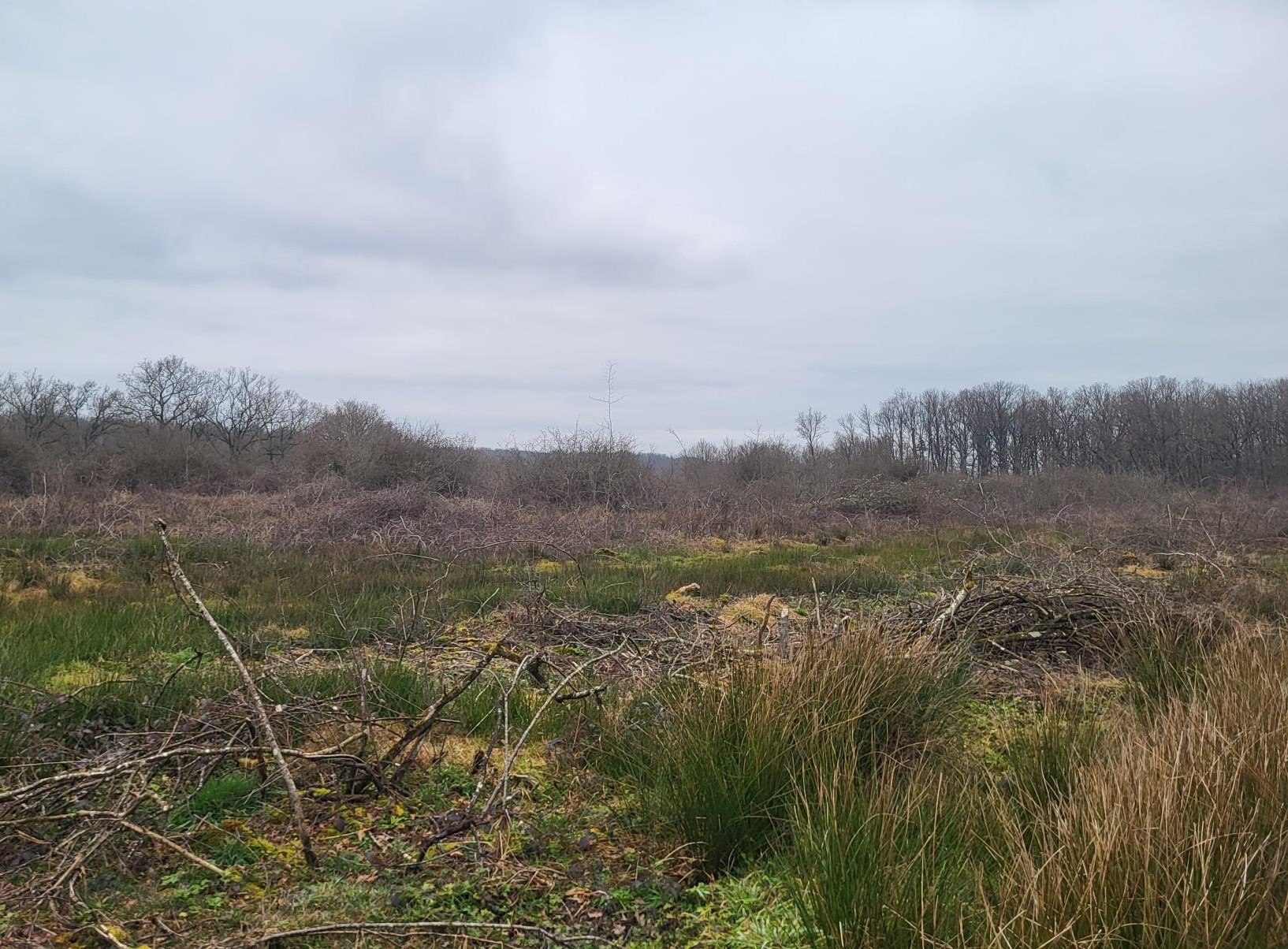
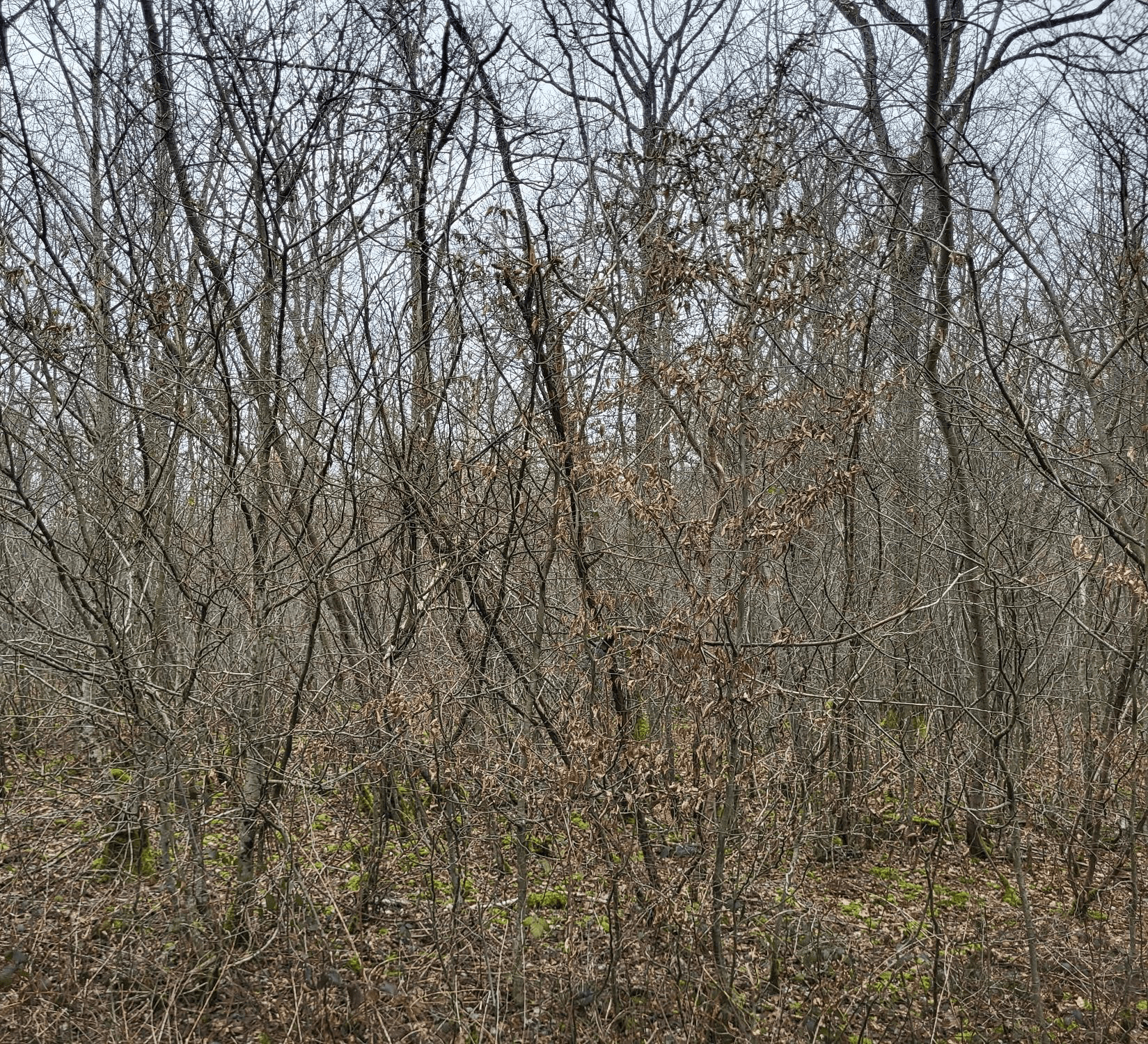
This 5.5 hectare reforestation project involves an old natural regeneration, mainly of sessile oak and other broadleaf trees around 15 years old, which has not managed to establish itself sustainably due to an overly humid environment. Many trees are rotting on site and crown drops have been visible for 2-3 years. The plot is also almost entirely invaded by hawthorn, which competes with forest species.
It is therefore planned to harvest this non-viable stand and use it for fuelwood, then reforest the plot with a mix of species adapted to humid environments: black alder, black locust and tulip tree. 1505 tonnes of CO2eq will be sequestered over 30 years thanks to this project*.
- The plantation will be PEFC certified.
- The soil will be particularly well protected, as the residues from dying trees will be completely shredded on site to restore organic matter and therefore carbon to the soil. In addition, the soil will be worked by tilled posts.
- Species adapted to humid environments have been selected.
* The final value of the estimate will only be established after verification by an independent auditor and an administrative decision on verification.
 Label Bas Carbone
Examples: reducing the frequency of soil cultivation, minimalist plot preparation, restoring organic matter and preserving soil microfauna.
Examples: territorial dynamics, societal demand, diversification of the activity, local sales/processing, working conditions, sharing of good practices.
Examples: Consideration of wetlands, use of adapted species, drip-connected irrigation tools.
Pépinières Naudet is one of the main French producers of young forest plants, which are planted all over France.
Read moreReforestation of 5.5 hectares in the Allier region
Located in the Allier department, the commune of Mercy is part of the Auvergne-Rhône-Alpes region, renowned for its rolling landscapes, extensive forests, and commitment to environmental preservation. Allier is a mosaic of terroirs, blending ancient agricultural and forestry traditions with a modern drive for ecological transition. Forests play a central role in the local economy and culture, with remarkable biodiversity and a history shaped by wood and rural life. The region’s temperate climate, marked by mild summers and occasionally harsh winters, offers ideal conditions for forest renewal, crucial for climate resilience.
This 5.5 hectare reforestation project involves an old natural regeneration, mainly of sessile oak and other broadleaf trees around 15 years old, which has not managed to establish itself sustainably due to an overly humid environment. Many trees are rotting on site and crown drops have been visible for 2-3 years. The plot is also almost entirely invaded by hawthorn, which competes with forest species.
It is therefore planned to harvest this non-viable stand and use it for fuelwood, then reforest the plot with a mix of species adapted to humid environments: black alder, black locust and tulip tree. 1505 tonnes of CO2eq will be sequestered over 30 years thanks to this project*.
- The plantation will be PEFC certified.
- The soil will be particularly well protected, as the residues from dying trees will be completely shredded on site to restore organic matter and therefore carbon to the soil. In addition, the soil will be worked by tilled posts.
- Species adapted to humid environments have been selected.
* The final value of the estimate will only be established after verification by an independent auditor and an administrative decision on verification.