 Vinéa Energie

Vinea Énergie sees the vine beyond its status as an agricultural crop: it is a renewable resource, a source of ecological energy and a pillar of the circular economy.
Read moreEnergy production from wines waste at Château Sansonnet
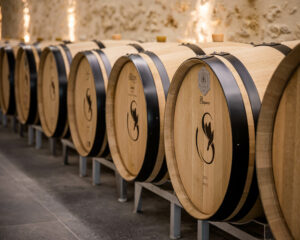
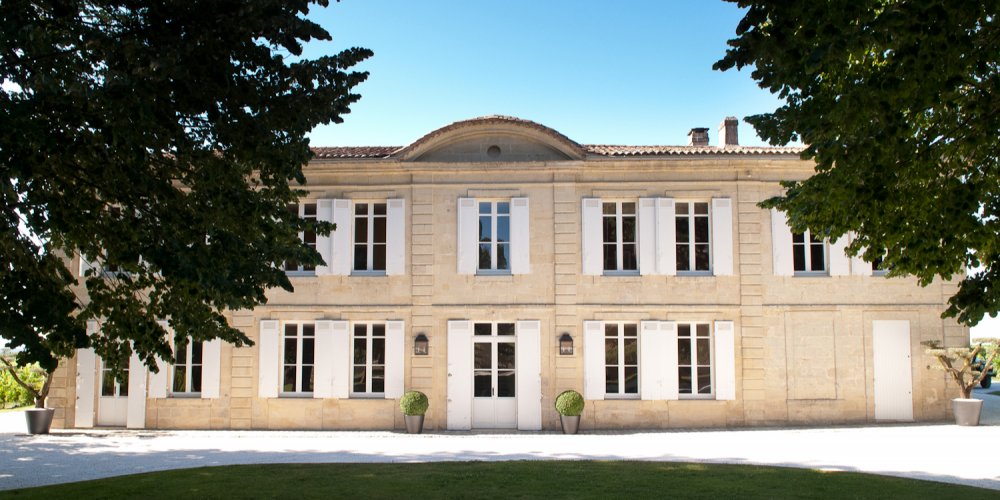
Château Sansonnet, located at the top of the Saint-Émilion plateau, benefits from an exceptional terroir made up of a thin layer of clay over limestone.
The 7-hectare vineyard lies in a single block surrounding the château. The grape varieties planted are predominantly Merlot (85%), with Cabernet Franc and Cabernet Sauvignon making up the rest.
In 1999, Patrick de Suarez d'Aulan, from a French aristocratic family with a long-standing winemaking tradition, acquired the estate. Under his leadership, Château Sansonnet regained its status as a Grand Cru Classé.
The wines of Château Sansonnet are regularly praised for their quality. For instance, the 2020 vintage, composed of 95% Merlot, 3% Cabernet Sauvignon, and 2% Cabernet Franc, was described as having incredible purity, with notes of dark fruits, white flowers, and spiced oak.
The estate offers visits and tastings for wine lovers wishing to discover its facilities and wines. Booking in advance via the official website is recommended.
Description and pictures from official website : www.chateau-sansonnet.com
At the core of this project is the transformation of uprooted vine stumps, traditionally considered waste and burned at the edge of vineyards, into a renewable resource. Burning remains the simplest and most economical method, but a more sustainable alternative is made possible through the financing of avoided greenhouse gas emissions.
The vineyard at Sansonnet (Gironde) is actively involved in this approach by repurposing 15 tonnes of vine stumps, resulting in an estimated avoidance of 15,42 tCO₂e emissions.*
Collection and Sorting Uprooted vine stumps are collected from winegrowers in the Nouvelle-Aquitaine region, especially in Sansonnet. A selective sorting process is used to separate the different types of residues (roots, stakes, wooden markers) for proper treatment.
Transformation into Biomass The collected stumps are transported to specialized facilities where they undergo a process to be transformed into wood chips for bioenergy. This biomass is then used as fuel to power biomass boilers, producing renewable heat and electricity.
This project enables the Sansonnet estate to adopt a circular economy model, giving new life to uprooted vine stumps.
Environmental:
Economic and Social:
This project is fully aligned with the logic of a circular economy, where vineyard residues become a valuable resource serving both the energy and agricultural transitions.
* The final emissions estimate will be confirmed following verification by an independent auditor and a formal administrative decision.
 Vinéa Energie
Vinea Énergie sees the vine beyond its status as an agricultural crop: it is a renewable resource, a source of ecological energy and a pillar of the circular economy.
Read moreEnergy production from wines waste at Château Sansonnet
Château Sansonnet, located at the top of the Saint-Émilion plateau, benefits from an exceptional terroir made up of a thin layer of clay over limestone.
The 7-hectare vineyard lies in a single block surrounding the château. The grape varieties planted are predominantly Merlot (85%), with Cabernet Franc and Cabernet Sauvignon making up the rest.
In 1999, Patrick de Suarez d'Aulan, from a French aristocratic family with a long-standing winemaking tradition, acquired the estate. Under his leadership, Château Sansonnet regained its status as a Grand Cru Classé.
The wines of Château Sansonnet are regularly praised for their quality. For instance, the 2020 vintage, composed of 95% Merlot, 3% Cabernet Sauvignon, and 2% Cabernet Franc, was described as having incredible purity, with notes of dark fruits, white flowers, and spiced oak.
The estate offers visits and tastings for wine lovers wishing to discover its facilities and wines. Booking in advance via the official website is recommended.
Description and pictures from official website : www.chateau-sansonnet.com
At the core of this project is the transformation of uprooted vine stumps, traditionally considered waste and burned at the edge of vineyards, into a renewable resource. Burning remains the simplest and most economical method, but a more sustainable alternative is made possible through the financing of avoided greenhouse gas emissions.
The vineyard at Sansonnet (Gironde) is actively involved in this approach by repurposing 15 tonnes of vine stumps, resulting in an estimated avoidance of 15,42 tCO₂e emissions.*
Collection and Sorting Uprooted vine stumps are collected from winegrowers in the Nouvelle-Aquitaine region, especially in Sansonnet. A selective sorting process is used to separate the different types of residues (roots, stakes, wooden markers) for proper treatment.
Transformation into Biomass The collected stumps are transported to specialized facilities where they undergo a process to be transformed into wood chips for bioenergy. This biomass is then used as fuel to power biomass boilers, producing renewable heat and electricity.
This project enables the Sansonnet estate to adopt a circular economy model, giving new life to uprooted vine stumps.
Environmental:
Economic and Social:
This project is fully aligned with the logic of a circular economy, where vineyard residues become a valuable resource serving both the energy and agricultural transitions.
* The final emissions estimate will be confirmed following verification by an independent auditor and a formal administrative decision.