 Vinéa Energie


Vinea Énergie sees the vine beyond its status as an agricultural crop: it is a renewable resource, a source of ecological energy and a pillar of the circular economy.
Read moreEnergy production from vines waste in Gironde
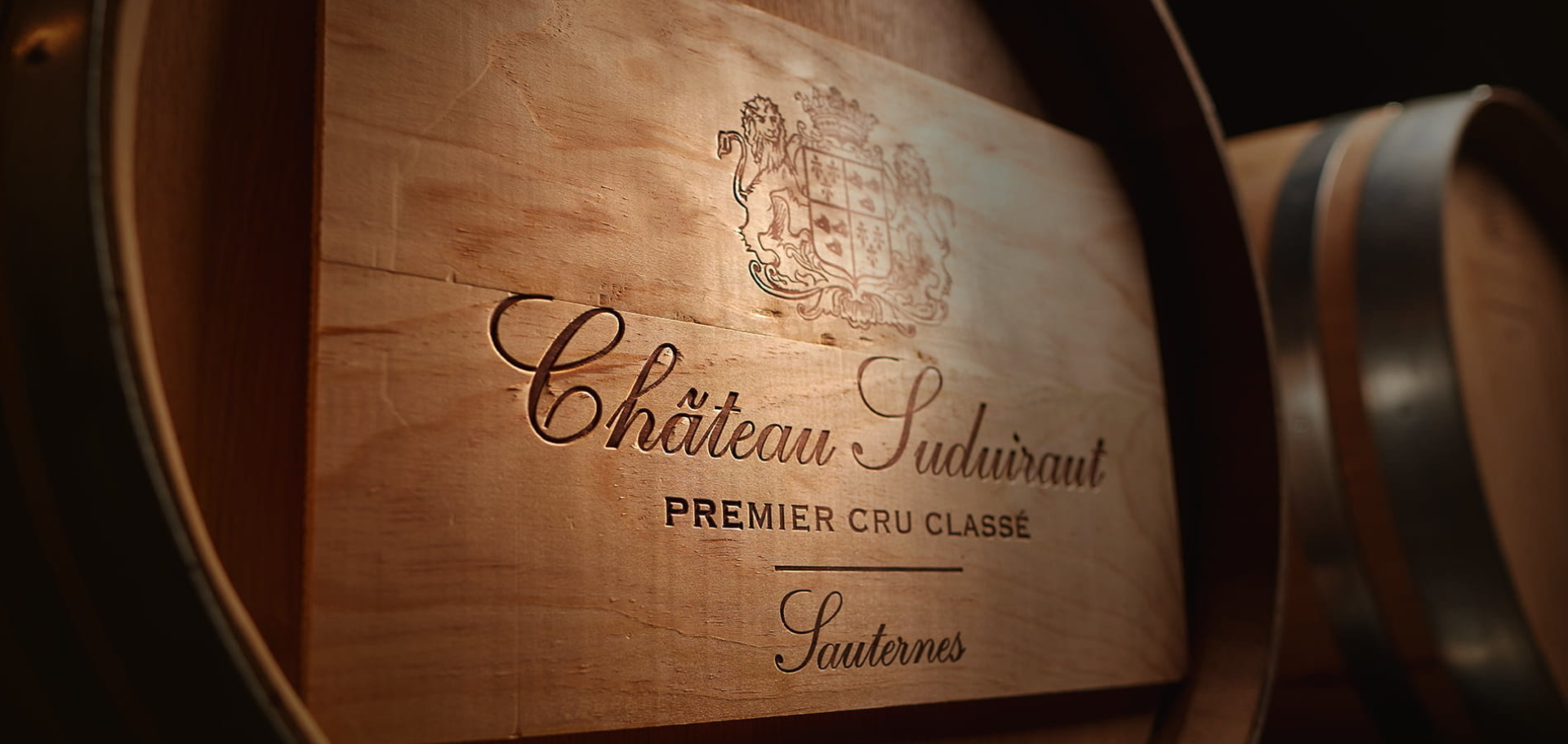
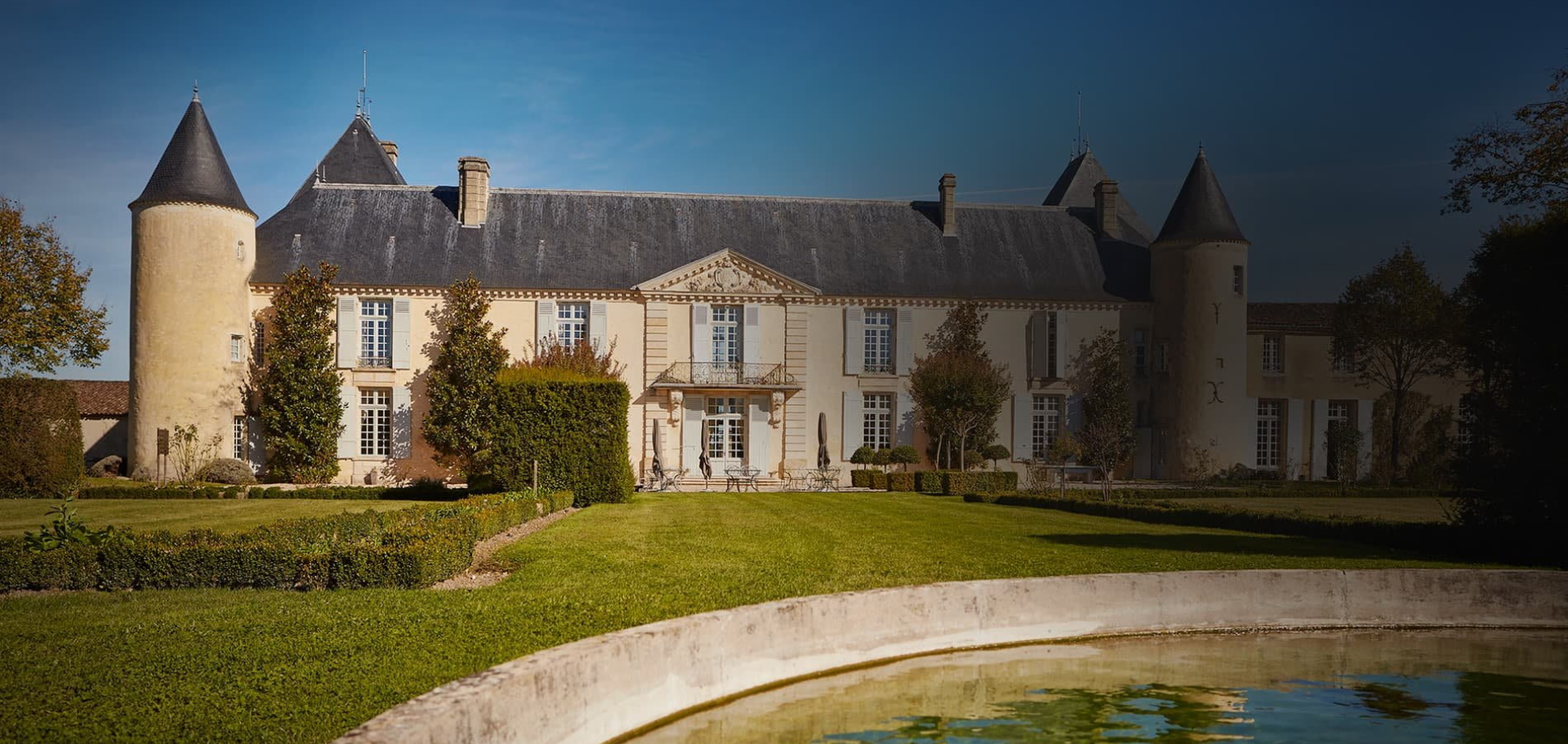
Château Suduiraut, located in Preignac in the Gironde department, is a flagship wine estate of the Sauternes appellation. Classified as a Premier Cru in the prestigious 1855 classification, it is renowned for its exceptional sweet white wines.
The history of Château Suduiraut dates back to the 17th century. Built around 1670 by Blaise de Suduiraut, the château has stood the test of time, retaining its elegant architecture and French-style gardens designed by the famous landscape architect André Le Nôtre. In 1992, the estate was acquired by the AXA Millésimes group, which undertook major renovations to preserve and enhance this historic heritage.
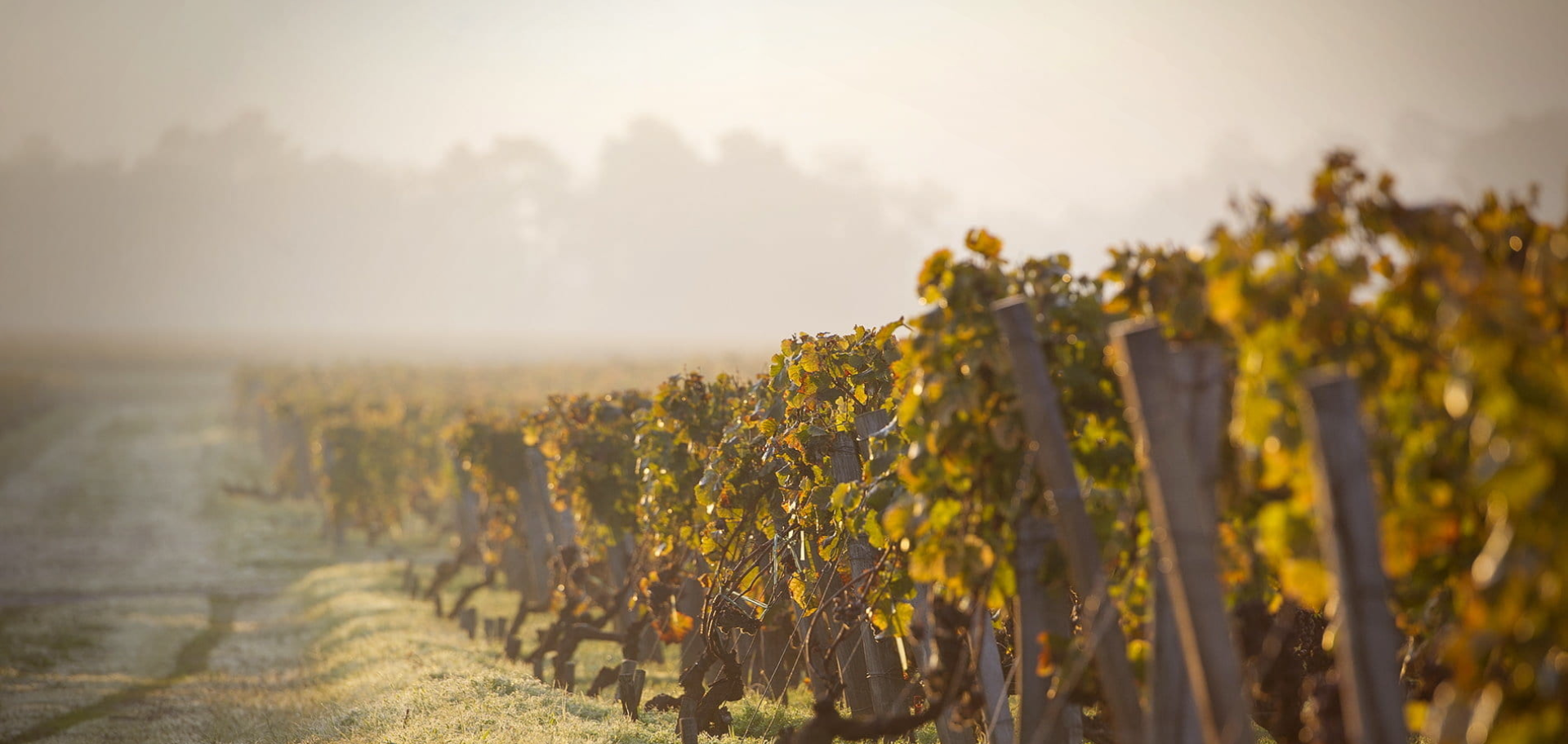
The estate spans approximately 200 hectares, of which 92 hectares are planted with vines. The sandy-clay gravel soils benefit from a unique microclimate that encourages the development of noble rot (Botrytis cinerea) — a key element in crafting great Sauternes wines.
The vineyard is predominantly planted with Sémillon (90%), complemented by Sauvignon Blanc (10%). Harvesting is done by hand in several passes to pick grapes affected by noble rot at their peak. After fermentation, the wines are aged in oak barrels for 18 to 24 months, allowing them to develop great aromatic complexity and aging potential.
Fully aware of today’s environmental challenges, Château Suduiraut is committed to sustainable viticulture. The estate holds a High Environmental Value (HVE) Level 3 certification, which recognizes its efforts in preserving biodiversity, responsible water management, and controlled use of agricultural inputs.
Château Suduiraut produces several cuvées, including its prestigious Grand Vin Château Suduiraut, known for its richness and finesse, as well as second wines such as Castelnau de Suduiraut and Les Lions de Suduiraut. These wines reflect the excellence of the terroir and the ancestral savoir-faire of the estate.
By supporting Château Suduiraut’s initiatives, funders contribute to the preservation of a historic heritage while promoting a sustainable and environmentally conscious viticulture.
Descriptions and pictures from official website : www.suduiraut.com
At the heart of this project is the transformation of uprooted vine stumps, traditionally considered waste and burned in the fields, into a renewable resource. While burning remains the simplest and cheapest option, a more virtuous alternative is made possible through the financing of avoided greenhouse gas emissions.
This vineyard in Preignac (Gironde) is actively engaged in this approach by recycling 198,64 tonnes of vine stumps through the project, enabling the estimated avoidance of 218,5 tCO₂e emissions.*
Collection and Sorting Uprooted vine stumps are collected from winegrowers in the Nouvelle-Aquitaine region, particularly around Preignac. Selective sorting is carried out to separate the different types of residues (roots, stakes, wooden markers) for appropriate treatment.
Transformation into Biomass The collected vine stumps are transported to specialized facilities where they are processed into wood chips for bioenergy. This biomass can be used as fuel for biomass boilers, producing renewable heat and electricity.
This project enables the estate in Preignac to adopt a circular economy approach by giving new value to uprooted vine stumps.
Environmental:
Economic and Social:
This initiative fully aligns with the principles of a circular economy, where vineyard residues become a valuable resource supporting the energy and agricultural transitions.
* The final emissions estimate will be validated following verification by an independent auditor and administrative approval.
 Vinéa Energie
Vinea Énergie sees the vine beyond its status as an agricultural crop: it is a renewable resource, a source of ecological energy and a pillar of the circular economy.
Read moreEnergy production from vines waste in Gironde
Château Suduiraut, located in Preignac in the Gironde department, is a flagship wine estate of the Sauternes appellation. Classified as a Premier Cru in the prestigious 1855 classification, it is renowned for its exceptional sweet white wines.
The history of Château Suduiraut dates back to the 17th century. Built around 1670 by Blaise de Suduiraut, the château has stood the test of time, retaining its elegant architecture and French-style gardens designed by the famous landscape architect André Le Nôtre. In 1992, the estate was acquired by the AXA Millésimes group, which undertook major renovations to preserve and enhance this historic heritage.
The estate spans approximately 200 hectares, of which 92 hectares are planted with vines. The sandy-clay gravel soils benefit from a unique microclimate that encourages the development of noble rot (Botrytis cinerea) — a key element in crafting great Sauternes wines.
The vineyard is predominantly planted with Sémillon (90%), complemented by Sauvignon Blanc (10%). Harvesting is done by hand in several passes to pick grapes affected by noble rot at their peak. After fermentation, the wines are aged in oak barrels for 18 to 24 months, allowing them to develop great aromatic complexity and aging potential.
Fully aware of today’s environmental challenges, Château Suduiraut is committed to sustainable viticulture. The estate holds a High Environmental Value (HVE) Level 3 certification, which recognizes its efforts in preserving biodiversity, responsible water management, and controlled use of agricultural inputs.
Château Suduiraut produces several cuvées, including its prestigious Grand Vin Château Suduiraut, known for its richness and finesse, as well as second wines such as Castelnau de Suduiraut and Les Lions de Suduiraut. These wines reflect the excellence of the terroir and the ancestral savoir-faire of the estate.
By supporting Château Suduiraut’s initiatives, funders contribute to the preservation of a historic heritage while promoting a sustainable and environmentally conscious viticulture.
Descriptions and pictures from official website : www.suduiraut.com
At the heart of this project is the transformation of uprooted vine stumps, traditionally considered waste and burned in the fields, into a renewable resource. While burning remains the simplest and cheapest option, a more virtuous alternative is made possible through the financing of avoided greenhouse gas emissions.
This vineyard in Preignac (Gironde) is actively engaged in this approach by recycling 198,64 tonnes of vine stumps through the project, enabling the estimated avoidance of 218,5 tCO₂e emissions.*
Collection and Sorting Uprooted vine stumps are collected from winegrowers in the Nouvelle-Aquitaine region, particularly around Preignac. Selective sorting is carried out to separate the different types of residues (roots, stakes, wooden markers) for appropriate treatment.
Transformation into Biomass The collected vine stumps are transported to specialized facilities where they are processed into wood chips for bioenergy. This biomass can be used as fuel for biomass boilers, producing renewable heat and electricity.
This project enables the estate in Preignac to adopt a circular economy approach by giving new value to uprooted vine stumps.
Environmental:
Economic and Social:
This initiative fully aligns with the principles of a circular economy, where vineyard residues become a valuable resource supporting the energy and agricultural transitions.
* The final emissions estimate will be validated following verification by an independent auditor and administrative approval.