SC Mas Amiel
SC Mas Amiel - Exploitation viticole dans les Pyrénées-Orientales
Read more
Vinea Énergie sees the vine beyond its status as an agricultural crop: it is a renewable resource, a source of ecological energy and a pillar of the circular economy.
Read moreEnergy production from vines waste in Pyrénées-Orientales
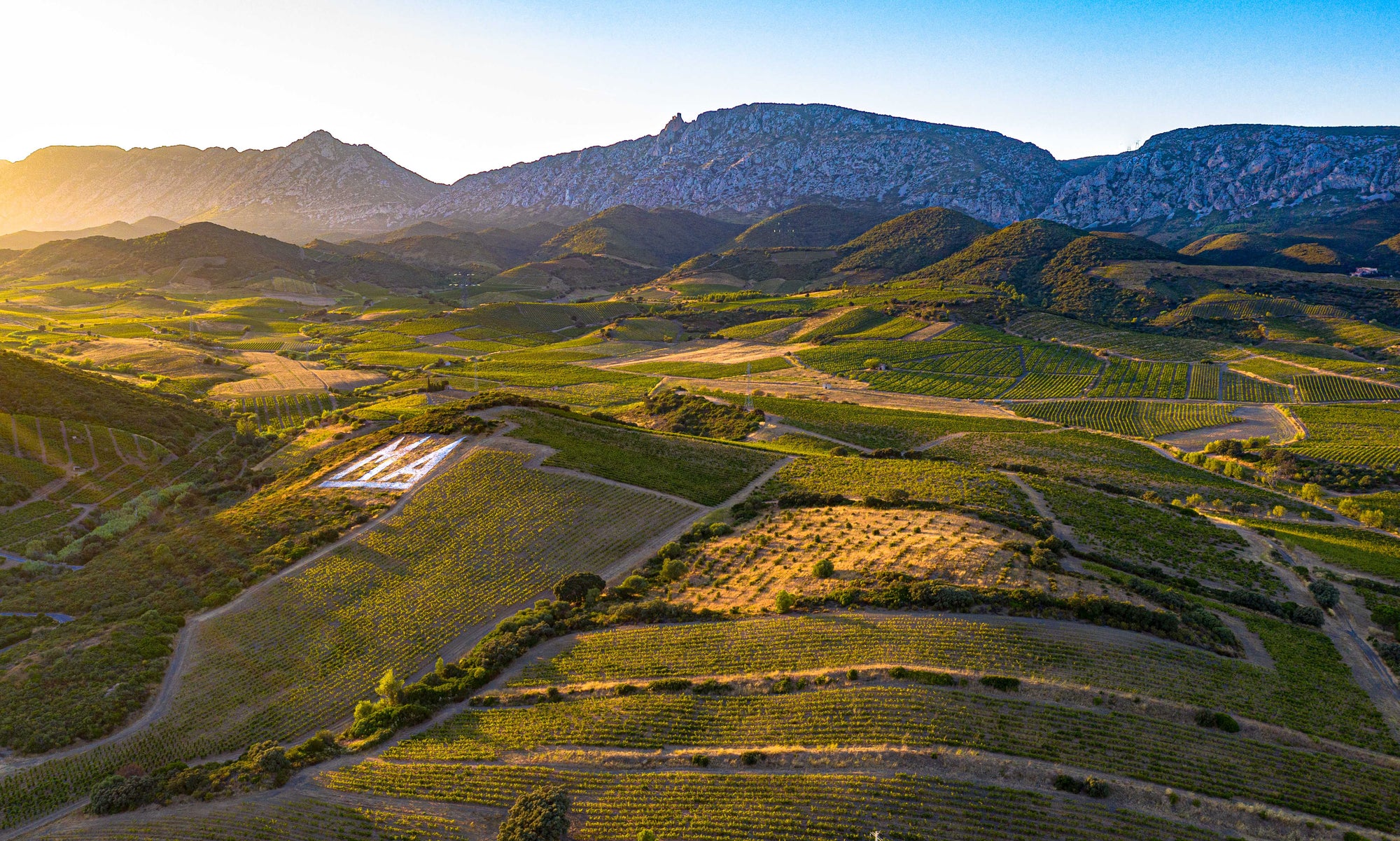
Mas Amiel, located in Maury in the Agly Valley, is a flagship wine estate of the Roussillon region, internationally renowned for its natural sweet wines and dry wines under the Côtes du Roussillon and Maury Sec appellations. Founded in 1816, the estate now covers 170 hectares of vineyards, divided into 95 plots, each with its own identity, soil composition, and grape varieties.
The story of Mas Amiel began in a most unusual way: in 1816, Raymond-Étienne Amiel, an engineer from the French civil engineering corps, won a 10-hectare vineyard belonging to the Bishop of Perpignan during a card game. After being ravaged by phylloxera in 1865, the vineyard was replanted with resistant American vines. Over the decades, the estate passed through several hands, notably the Dupuy family, who developed the production of natural sweet wines under the Mas Amiel name. In 1999, Olivier Decelle took over the estate with the goal of preserving the tradition of sweet wines while expanding into dry wines from distinctive terroirs.
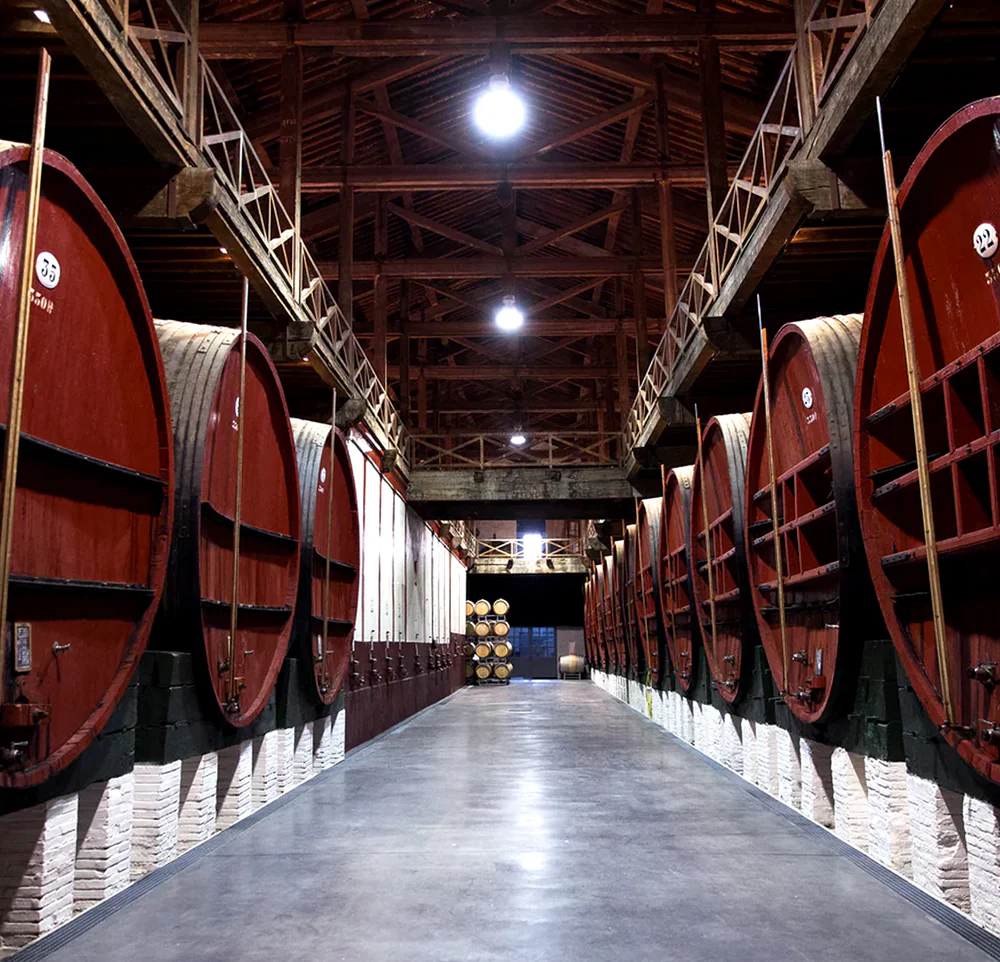
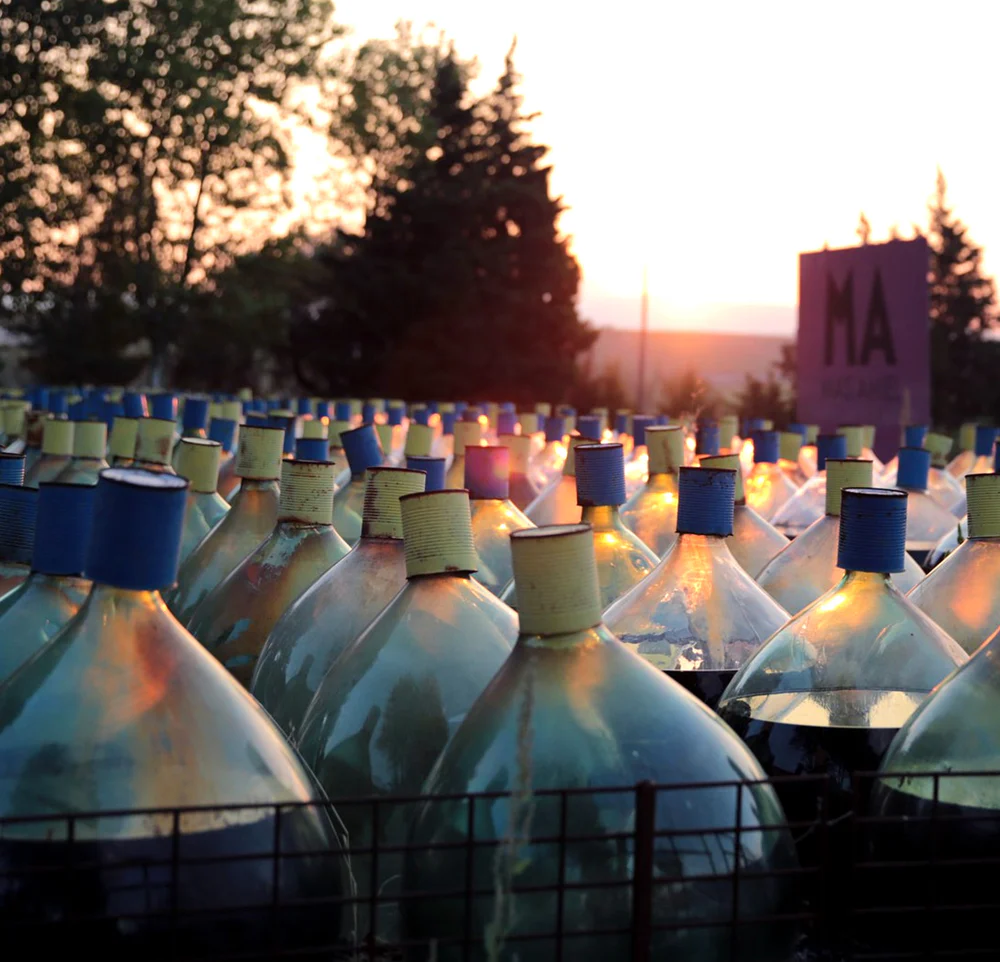
The estate is immediately recognizable for its field of demijohns ("parc à bonbonnes"), where 60-liter glass jars are exposed to the elements in a centuries-old oxidative winemaking technique. Mas Amiel’s natural sweet wines spend one year outdoors, undergoing intense climatic variations that evolve them toward rancio notes. Inside the historic cellar, bicentennial oak casks allow these oxidative wines to age peacefully for many years, developing remarkable complexity and finesse.
Committed to environmentally respectful practices, Mas Amiel was certified organic in 2017 and began its conversion to biodynamic viticulture, aiming for full certification in 2020. This sustainable approach reflects the estate's commitment to preserving the richness of its terroirs and producing wines that truly express their identity.
Today, Mas Amiel embodies a harmonious blend of tradition and modernity, offering wine lovers a diverse range of cuvées that reflect the unique character of Roussillon and the excellence of local craftsmanship.
At the heart of this project lies the transformation of uprooted vine stumps, traditionally considered waste and burned at the edges of fields, into a renewable resource. Although burning remains the simplest and most cost-effective method, a more virtuous alternative is possible through the financing of avoided greenhouse gas emissions.
This wine estate actively supports this effort by recovering and repurposing 320 tonnes of vine stumps, contributing to the estimated avoidance of 344,82 tCO₂e emissions.*
Collection and Sorting The uprooted vine stumps are collected from winegrowers in the Pyrénées-Orientales region, particularly around Maury. A selective sorting process separates various types of residues (roots, stakes, wooden markers) in preparation for treatment.
Transformation into Biomass The collected stumps are transported to specialized facilities, where they are processed into wood chips for bioenergy. This biomass is then used as fuel to power biomass boilers, producing renewable heat and electricity.
This project enables the Maury estate to embrace a circular economy approach by giving new purpose to uprooted vine stumps.
Environmental:
Economic and Social:
This initiative fully aligns with the principles of a circular economy, in which vineyard residues become a valuable resource serving both the energy and agricultural transitions.
* The final emissions estimate will be determined following verification by an independent auditor and a formal administrative review.

SC Mas Amiel
SC Mas Amiel - Exploitation viticole dans les Pyrénées-Orientales
Read moreVinea Énergie sees the vine beyond its status as an agricultural crop: it is a renewable resource, a source of ecological energy and a pillar of the circular economy.
Read moreEnergy production from vines waste in Pyrénées-Orientales
Mas Amiel, located in Maury in the Agly Valley, is a flagship wine estate of the Roussillon region, internationally renowned for its natural sweet wines and dry wines under the Côtes du Roussillon and Maury Sec appellations. Founded in 1816, the estate now covers 170 hectares of vineyards, divided into 95 plots, each with its own identity, soil composition, and grape varieties.
The story of Mas Amiel began in a most unusual way: in 1816, Raymond-Étienne Amiel, an engineer from the French civil engineering corps, won a 10-hectare vineyard belonging to the Bishop of Perpignan during a card game. After being ravaged by phylloxera in 1865, the vineyard was replanted with resistant American vines. Over the decades, the estate passed through several hands, notably the Dupuy family, who developed the production of natural sweet wines under the Mas Amiel name. In 1999, Olivier Decelle took over the estate with the goal of preserving the tradition of sweet wines while expanding into dry wines from distinctive terroirs.
The estate is immediately recognizable for its field of demijohns ("parc à bonbonnes"), where 60-liter glass jars are exposed to the elements in a centuries-old oxidative winemaking technique. Mas Amiel’s natural sweet wines spend one year outdoors, undergoing intense climatic variations that evolve them toward rancio notes. Inside the historic cellar, bicentennial oak casks allow these oxidative wines to age peacefully for many years, developing remarkable complexity and finesse.
Committed to environmentally respectful practices, Mas Amiel was certified organic in 2017 and began its conversion to biodynamic viticulture, aiming for full certification in 2020. This sustainable approach reflects the estate's commitment to preserving the richness of its terroirs and producing wines that truly express their identity.
Today, Mas Amiel embodies a harmonious blend of tradition and modernity, offering wine lovers a diverse range of cuvées that reflect the unique character of Roussillon and the excellence of local craftsmanship.
At the heart of this project lies the transformation of uprooted vine stumps, traditionally considered waste and burned at the edges of fields, into a renewable resource. Although burning remains the simplest and most cost-effective method, a more virtuous alternative is possible through the financing of avoided greenhouse gas emissions.
This wine estate actively supports this effort by recovering and repurposing 320 tonnes of vine stumps, contributing to the estimated avoidance of 344,82 tCO₂e emissions.*
Collection and Sorting The uprooted vine stumps are collected from winegrowers in the Pyrénées-Orientales region, particularly around Maury. A selective sorting process separates various types of residues (roots, stakes, wooden markers) in preparation for treatment.
Transformation into Biomass The collected stumps are transported to specialized facilities, where they are processed into wood chips for bioenergy. This biomass is then used as fuel to power biomass boilers, producing renewable heat and electricity.
This project enables the Maury estate to embrace a circular economy approach by giving new purpose to uprooted vine stumps.
Environmental:
Economic and Social:
This initiative fully aligns with the principles of a circular economy, in which vineyard residues become a valuable resource serving both the energy and agricultural transitions.
* The final emissions estimate will be determined following verification by an independent auditor and a formal administrative review.

 Vinéa Energie