
 Label Bas Carbone
Examples: reducing the frequency of soil cultivation, minimalist plot preparation, restoring organic matter and preserving soil microfauna.

Examples: diversity and locality of crop species, preservation of habitat for local flora and fauna, presence of beehives for pollination.

Examples: Consideration of wetlands, use of adapted species, drip-connected irrigation tools.
GAEC Les Fétérées
GAEC Les Fétérées : Exploitation agricole cultivant entre autres des noix
Read morePlantation of more than 7 hectares of walnut trees in Isère
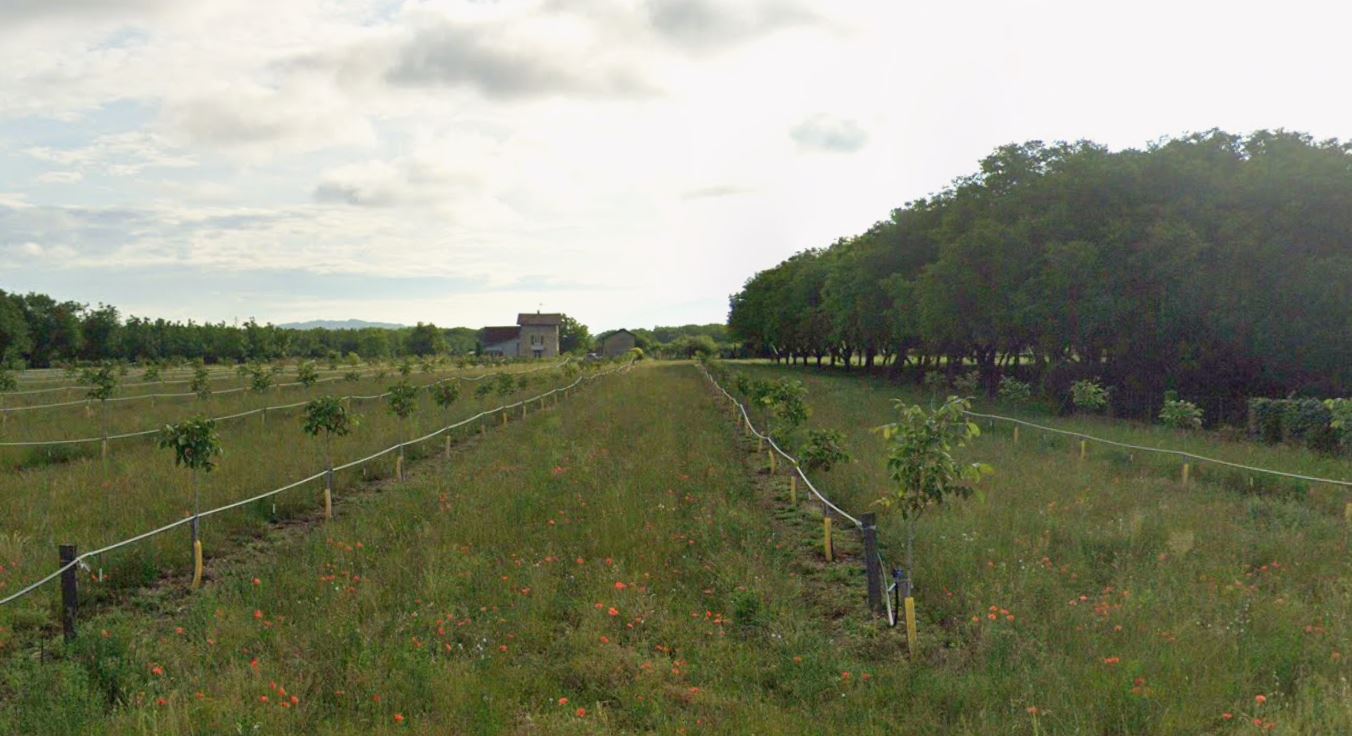
The GAEC des Fétérées is a farm whose main activity is the cultivation of walnuts. She then sells her nuts in the form of whole nuts and kernels. The operation is being passed on between a father and his sons, who wish to resume and sustain the activity.
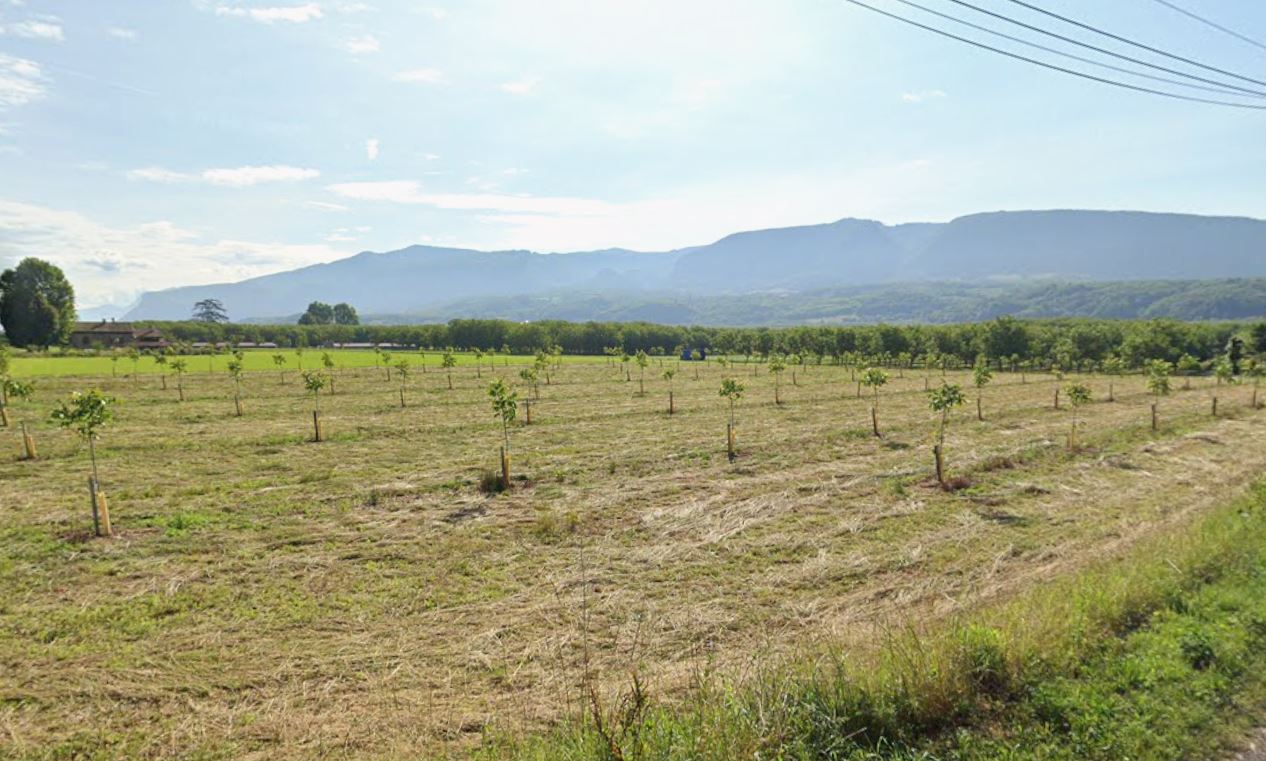
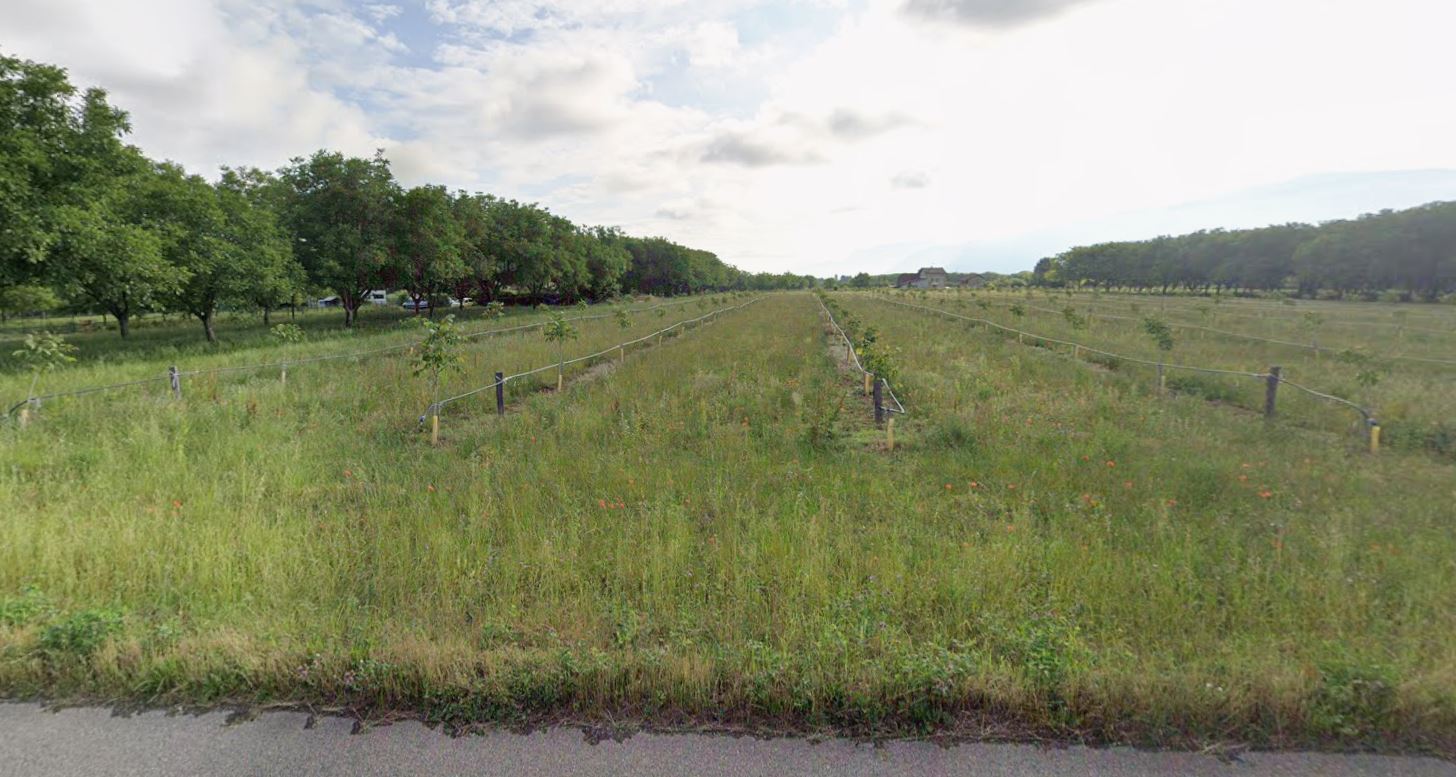
They want to plant a new plot with walnut trees instead of annual crops such as cereals. Planting permanent trees will sequester more CO2 throughout the year compared to a temporary crop. The soil will also be able to sequester more CO2 because it will no longer be worked each year. In addition, this new plantation will require little fertilizer and treatment compared to previous crops. This new cultural itinerary will contribute to avoiding emissions and makes the project even more virtuous.
The farmer wishes to limit soil disturbances: The soil will no longer be worked in depth once the planting has been carried out, which will allow, with the grassing of the orchard, to promote the microfauna of the soil.
Levers will be put in place to preserve biodiversity: In order to avoid synthetic phytosanitary treatments, the weeding of the orchard will be done mechanically.
Water resources will be protected: In order to limit soil erosion and leaching of nitrates, 90% of the orchard will benefit from permanent grass cover. An action that will also be very beneficial to limit the quantities of water to be brought to the trees.
 Label Bas Carbone
Examples: reducing the frequency of soil cultivation, minimalist plot preparation, restoring organic matter and preserving soil microfauna.
Examples: diversity and locality of crop species, preservation of habitat for local flora and fauna, presence of beehives for pollination.
Examples: Consideration of wetlands, use of adapted species, drip-connected irrigation tools.
GAEC Les Fétérées
GAEC Les Fétérées : Exploitation agricole cultivant entre autres des noix
Read morePlantation of more than 7 hectares of walnut trees in Isère
The GAEC des Fétérées is a farm whose main activity is the cultivation of walnuts. She then sells her nuts in the form of whole nuts and kernels. The operation is being passed on between a father and his sons, who wish to resume and sustain the activity.
They want to plant a new plot with walnut trees instead of annual crops such as cereals. Planting permanent trees will sequester more CO2 throughout the year compared to a temporary crop. The soil will also be able to sequester more CO2 because it will no longer be worked each year. In addition, this new plantation will require little fertilizer and treatment compared to previous crops. This new cultural itinerary will contribute to avoiding emissions and makes the project even more virtuous.
The farmer wishes to limit soil disturbances: The soil will no longer be worked in depth once the planting has been carried out, which will allow, with the grassing of the orchard, to promote the microfauna of the soil.
Levers will be put in place to preserve biodiversity: In order to avoid synthetic phytosanitary treatments, the weeding of the orchard will be done mechanically.
Water resources will be protected: In order to limit soil erosion and leaching of nitrates, 90% of the orchard will benefit from permanent grass cover. An action that will also be very beneficial to limit the quantities of water to be brought to the trees.