 Vinéa Energie

Vinea Énergie sees the vine beyond its status as an agricultural crop: it is a renewable resource, a source of ecological energy and a pillar of the circular economy.
Read moreEnergy production from vines in Charente-Maritime
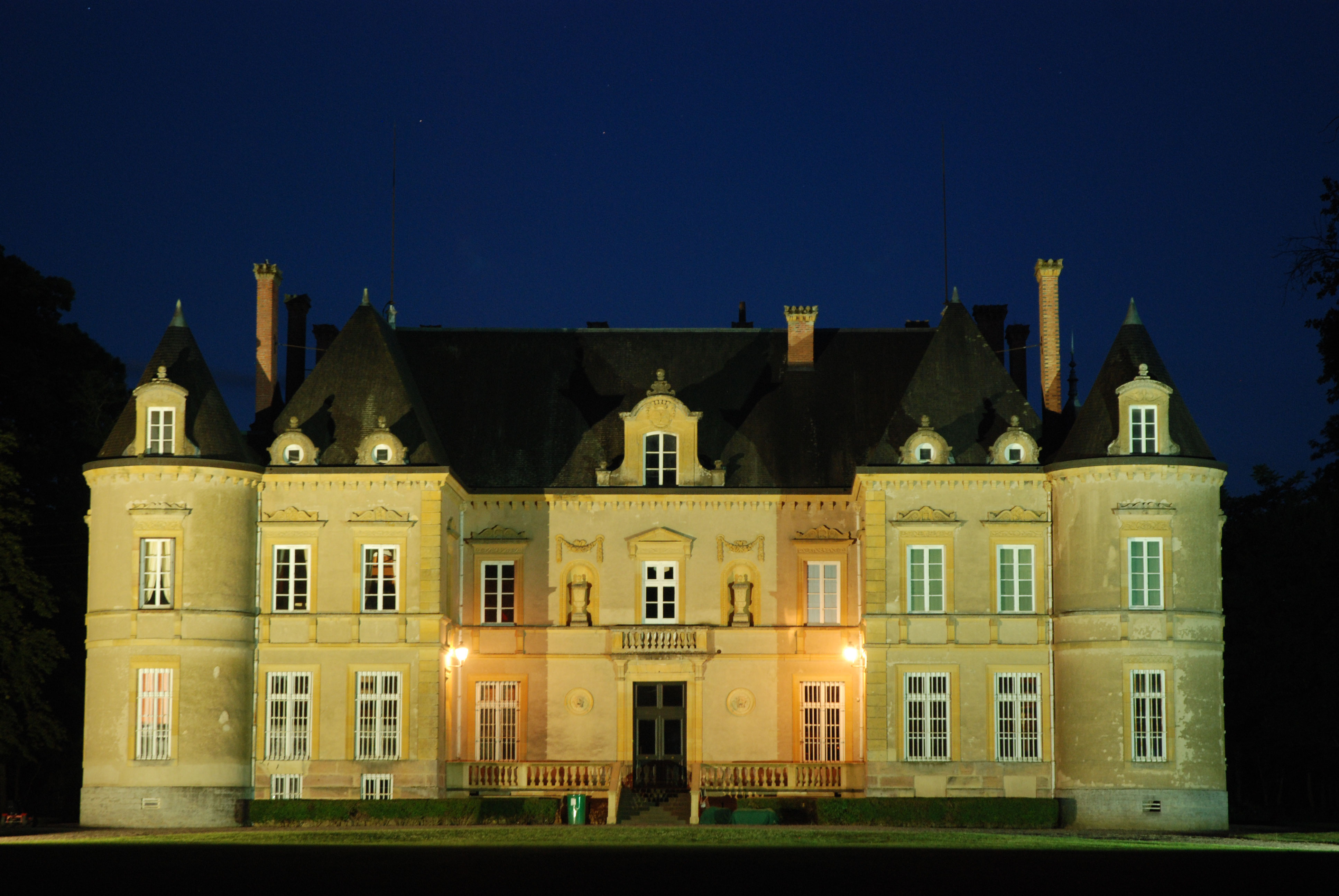
The Château de Beaulon, located in Saint-Dizant-du-Gua in the Charente-Maritime region, is an architectural gem dating back to the late 15th century. Built around 1480 by the Vinsons family, it was named “Beaulon” in 1510 when the estate was acquired by the family of that name.
In the 17th century, the château became the summer residence of the Bishops of Bordeaux, under the influence of Monseigneur de Nesmond, Bishop of Bayeux and advisor to King Louis XIV. This period marked the beginning of the estate’s vineyard development, as the bishops contributed to the improvement of local winemaking practices.
In 1965, Christian Thomas acquired the estate and committed himself to the preservation and restoration of the château. Thanks to his efforts, it was added to the supplementary inventory of historical monuments in 1987. Today, the estate produces high-quality Cognac and Pineau des Charentes, renowned for their excellence.
The château’s grounds, labeled as a "Remarkable Garden", stretch over several hectares and are home to the famous “Blue Fountains”, natural springs with mysteriously deep blue waters. These fountains add a mystical dimension to the estate and are a popular attraction for visitors.
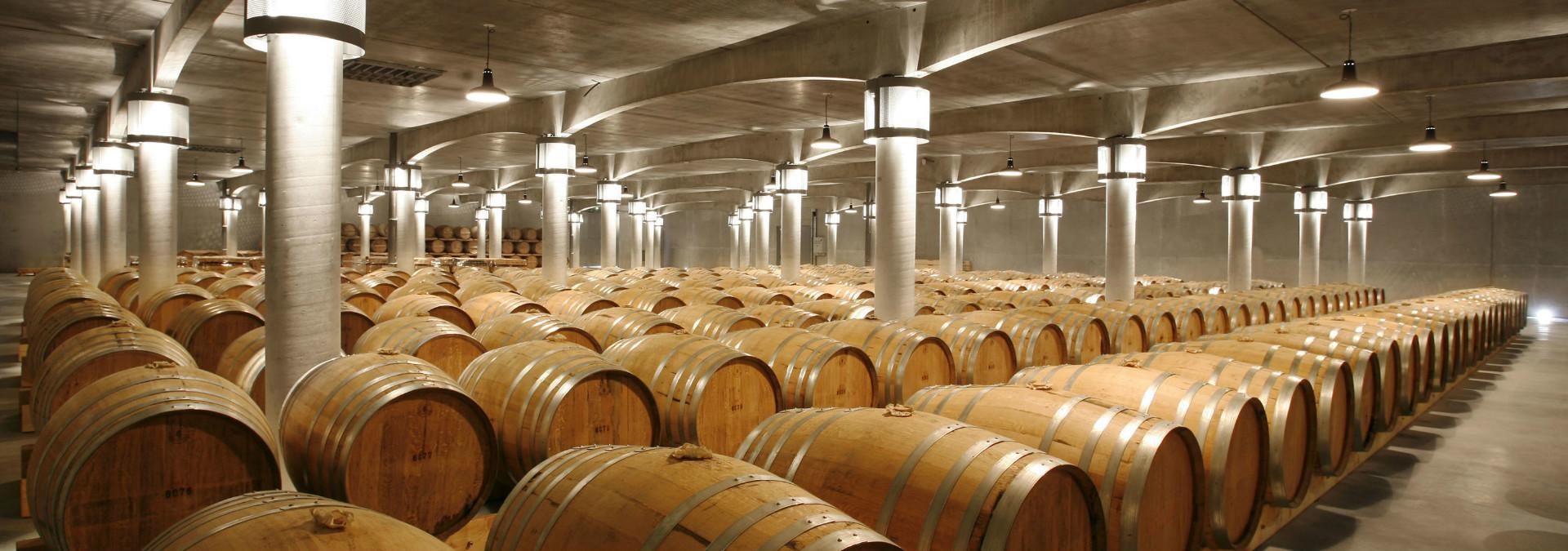
Château de Beaulon embodies a harmonious blend of historic heritage, winemaking excellence, and environmental preservation, offering guests a rich experience full of history and flavor.
At the heart of this project lies the transformation of uprooted vine stumps, traditionally considered waste and burned at the edge of vineyards, into a renewable resource. While burning remains the simplest and most cost-effective method, a more virtuous alternative is possible through the financing of avoided greenhouse gas emissions.
The wine estate of Château de Beaulon (Charente-Maritime) is actively engaged in this initiative by recovering 9.75 tonnes of vine stumps as part of this project, resulting in an estimated avoidance of 10.73 tCO₂e emissions.*
Collection and Sorting Uprooted vine stumps are collected from vineyards in the Charente-Maritime region, particularly in Saint-Dizant-du-Gua. A selective sorting process separates different types of residues (roots, stakes, wooden markers) in preparation for further processing.
Transformation into Biomass The collected stumps are transported to specialized facilities where they undergo a conversion process into wood chips for bioenergy. This biomass can then be used as fuel in biomass boilers, producing renewable heat and electricity.
This project will enable the farm to play a full part in the circular economy, where winegrowing residues become a useful resource for the transition to energy and agriculture.
Environmental:
Economic and Social:
* The final emissions estimate will be confirmed following verification by an independent auditor and a formal administrative decision.
 Vinéa Energie
Vinea Énergie sees the vine beyond its status as an agricultural crop: it is a renewable resource, a source of ecological energy and a pillar of the circular economy.
Read moreEnergy production from vines in Charente-Maritime
The Château de Beaulon, located in Saint-Dizant-du-Gua in the Charente-Maritime region, is an architectural gem dating back to the late 15th century. Built around 1480 by the Vinsons family, it was named “Beaulon” in 1510 when the estate was acquired by the family of that name.
In the 17th century, the château became the summer residence of the Bishops of Bordeaux, under the influence of Monseigneur de Nesmond, Bishop of Bayeux and advisor to King Louis XIV. This period marked the beginning of the estate’s vineyard development, as the bishops contributed to the improvement of local winemaking practices.
In 1965, Christian Thomas acquired the estate and committed himself to the preservation and restoration of the château. Thanks to his efforts, it was added to the supplementary inventory of historical monuments in 1987. Today, the estate produces high-quality Cognac and Pineau des Charentes, renowned for their excellence.
The château’s grounds, labeled as a "Remarkable Garden", stretch over several hectares and are home to the famous “Blue Fountains”, natural springs with mysteriously deep blue waters. These fountains add a mystical dimension to the estate and are a popular attraction for visitors.
Château de Beaulon embodies a harmonious blend of historic heritage, winemaking excellence, and environmental preservation, offering guests a rich experience full of history and flavor.
At the heart of this project lies the transformation of uprooted vine stumps, traditionally considered waste and burned at the edge of vineyards, into a renewable resource. While burning remains the simplest and most cost-effective method, a more virtuous alternative is possible through the financing of avoided greenhouse gas emissions.
The wine estate of Château de Beaulon (Charente-Maritime) is actively engaged in this initiative by recovering 9.75 tonnes of vine stumps as part of this project, resulting in an estimated avoidance of 10.73 tCO₂e emissions.*
Collection and Sorting Uprooted vine stumps are collected from vineyards in the Charente-Maritime region, particularly in Saint-Dizant-du-Gua. A selective sorting process separates different types of residues (roots, stakes, wooden markers) in preparation for further processing.
Transformation into Biomass The collected stumps are transported to specialized facilities where they undergo a conversion process into wood chips for bioenergy. This biomass can then be used as fuel in biomass boilers, producing renewable heat and electricity.
This project will enable the farm to play a full part in the circular economy, where winegrowing residues become a useful resource for the transition to energy and agriculture.
Environmental:
Economic and Social:
* The final emissions estimate will be confirmed following verification by an independent auditor and a formal administrative decision.