 Vinéa Energie

Vinea Énergie sees the vine beyond its status as an agricultural crop: it is a renewable resource, a source of ecological energy and a pillar of the circular economy.
Read moreEnergy production from vines wastes in Charente
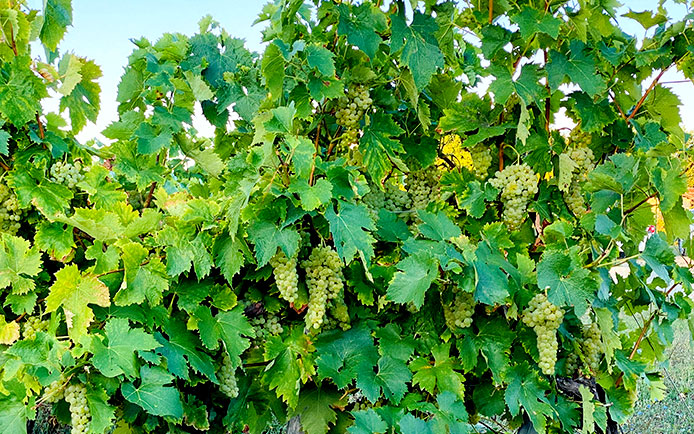
SCEA de la Salle, located in Cherves-Richemont (16370), is an agricultural company specialized in vine cultivation. Founded in 2008, it is managed by Xavier Bonnarme, who serves as its director.
In addition to its vineyard operations, SCEA de la Salle is involved in traditional Charentais distillation as a "bouilleur de cru". The company also offers viticultural and winemaking services, along with the rental of movable and real estate assets.
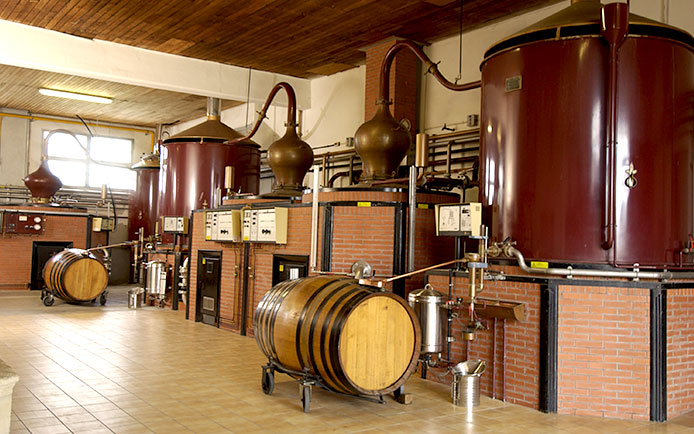
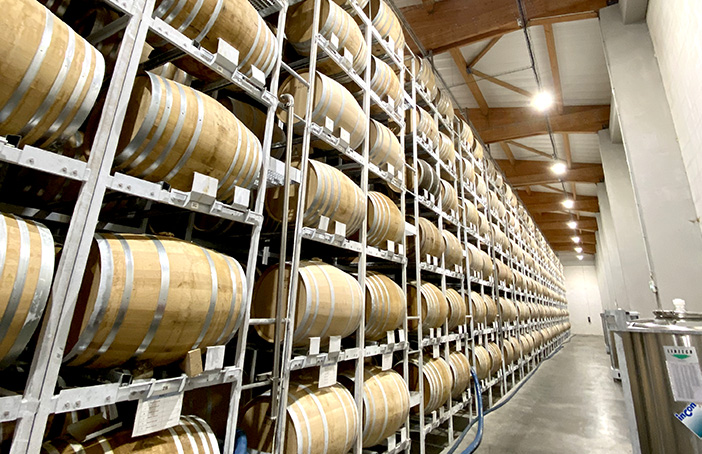
The Distillerie de la Salle, associated with SCEA de la Salle, is well known for its production of grape musts, wines, and Cognac eaux-de-vie. It supplies these products to various trading houses, contributing to the reputation of the region’s fine spirits.
Committed to sustainability, the Distillerie de la Salle was a finalist in the "Empreinte" category at the Trophées Cognac Vignoble Engagé, which rewards initiatives aimed at reducing environmental impact—particularly regarding energy and resource management.
In short, SCEA de la Salle and its distillery play a significant role in the wine and spirits landscape of the Cognac region, combining tradition and innovation, while embracing environmentally responsible practices.
At the heart of this project is the transformation of uprooted vine stumps, which are traditionally considered waste and burned at the edge of fields, into a renewable resource. While burning remains the simplest and cheapest method, a more sustainable alternative is made possible through the financing of avoided greenhouse gas emissions.
This wine estate is actively participating in this effort by recovering and repurposing 66,6 tonnes of vine stumps, resulting in an estimated avoidance of 73,26 tCO₂e emissions.*
Collection and Sorting The uprooted vine stumps are collected from winegrowers in the Charente region, particularly around Cherves-Richemont. A selective sorting process is used to separate different types of residues (roots, stakes, wooden markers) for appropriate treatment.
Transformation into Biomass The collected vine stumps are transported to specialized facilities where they are transformed into wood chips for bioenergy. This wood biomass is used as fuel in biomass boilers, producing renewable heat and electricity.
This project will enable the farm to play a full part in the circular economy, where winegrowing residues become a useful resource for the transition to energy and agriculture.
Environmental:
Economic and Social:
* The final emissions estimate will be confirmed following verification by an independent auditor and a formal administrative decision.
 Vinéa Energie
Vinea Énergie sees the vine beyond its status as an agricultural crop: it is a renewable resource, a source of ecological energy and a pillar of the circular economy.
Read moreEnergy production from vines wastes in Charente
SCEA de la Salle, located in Cherves-Richemont (16370), is an agricultural company specialized in vine cultivation. Founded in 2008, it is managed by Xavier Bonnarme, who serves as its director.
In addition to its vineyard operations, SCEA de la Salle is involved in traditional Charentais distillation as a "bouilleur de cru". The company also offers viticultural and winemaking services, along with the rental of movable and real estate assets.
The Distillerie de la Salle, associated with SCEA de la Salle, is well known for its production of grape musts, wines, and Cognac eaux-de-vie. It supplies these products to various trading houses, contributing to the reputation of the region’s fine spirits.
Committed to sustainability, the Distillerie de la Salle was a finalist in the "Empreinte" category at the Trophées Cognac Vignoble Engagé, which rewards initiatives aimed at reducing environmental impact—particularly regarding energy and resource management.
In short, SCEA de la Salle and its distillery play a significant role in the wine and spirits landscape of the Cognac region, combining tradition and innovation, while embracing environmentally responsible practices.
At the heart of this project is the transformation of uprooted vine stumps, which are traditionally considered waste and burned at the edge of fields, into a renewable resource. While burning remains the simplest and cheapest method, a more sustainable alternative is made possible through the financing of avoided greenhouse gas emissions.
This wine estate is actively participating in this effort by recovering and repurposing 66,6 tonnes of vine stumps, resulting in an estimated avoidance of 73,26 tCO₂e emissions.*
Collection and Sorting The uprooted vine stumps are collected from winegrowers in the Charente region, particularly around Cherves-Richemont. A selective sorting process is used to separate different types of residues (roots, stakes, wooden markers) for appropriate treatment.
Transformation into Biomass The collected vine stumps are transported to specialized facilities where they are transformed into wood chips for bioenergy. This wood biomass is used as fuel in biomass boilers, producing renewable heat and electricity.
This project will enable the farm to play a full part in the circular economy, where winegrowing residues become a useful resource for the transition to energy and agriculture.
Environmental:
Economic and Social:
* The final emissions estimate will be confirmed following verification by an independent auditor and a formal administrative decision.