 Vinéa Energie
Examples: territorial dynamics, societal demand, diversification of the activity, local sales/processing, working conditions, sharing of good practices.

Examples: reduction of energy consumption of mobile and stationary installations, reduction of journeys, on-site energy production.
Vinea Énergie sees the vine beyond its status as an agricultural crop: it is a renewable resource, a source of ecological energy and a pillar of the circular economy.
Read moreEnergy recovery from vine stocks in Gironde
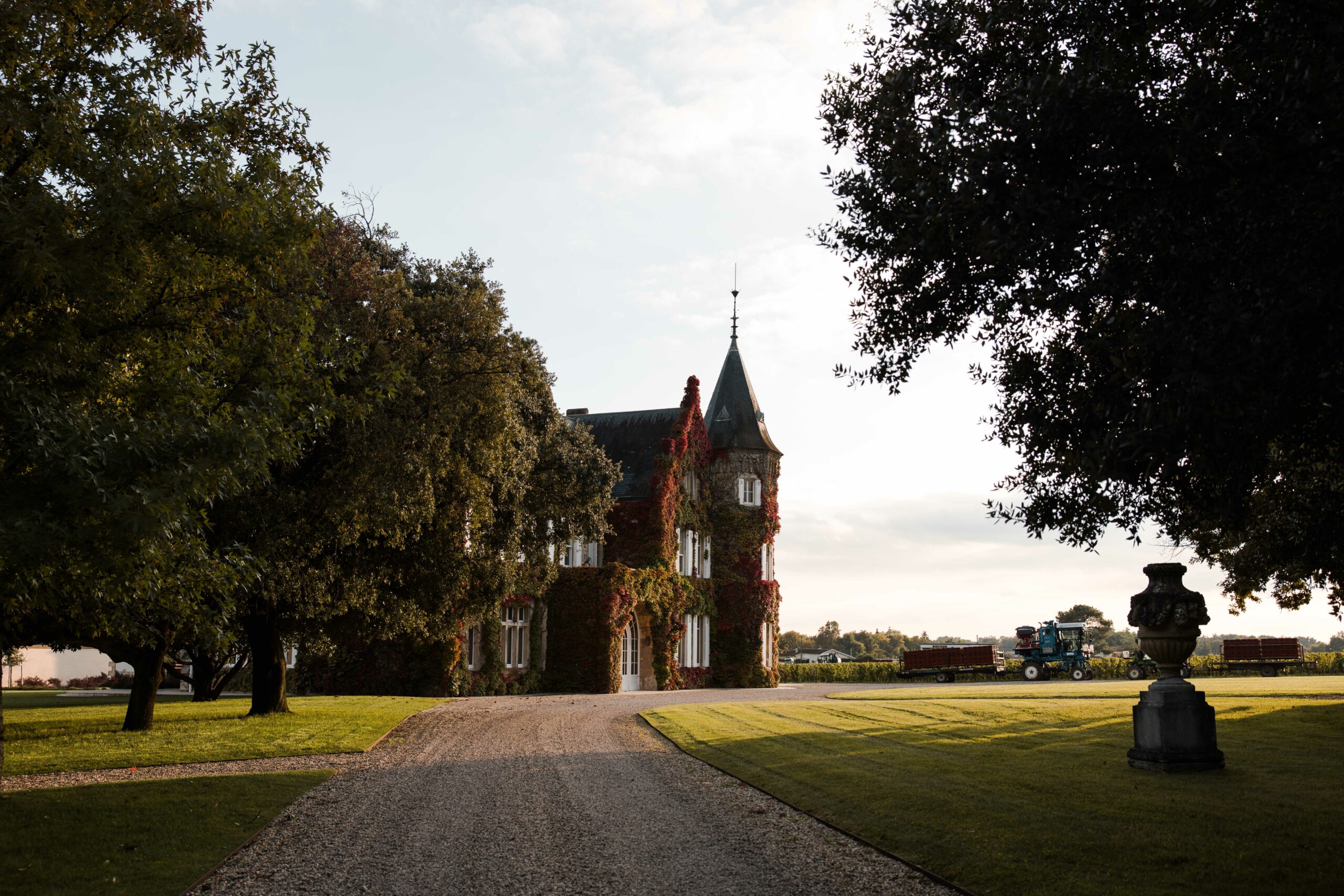
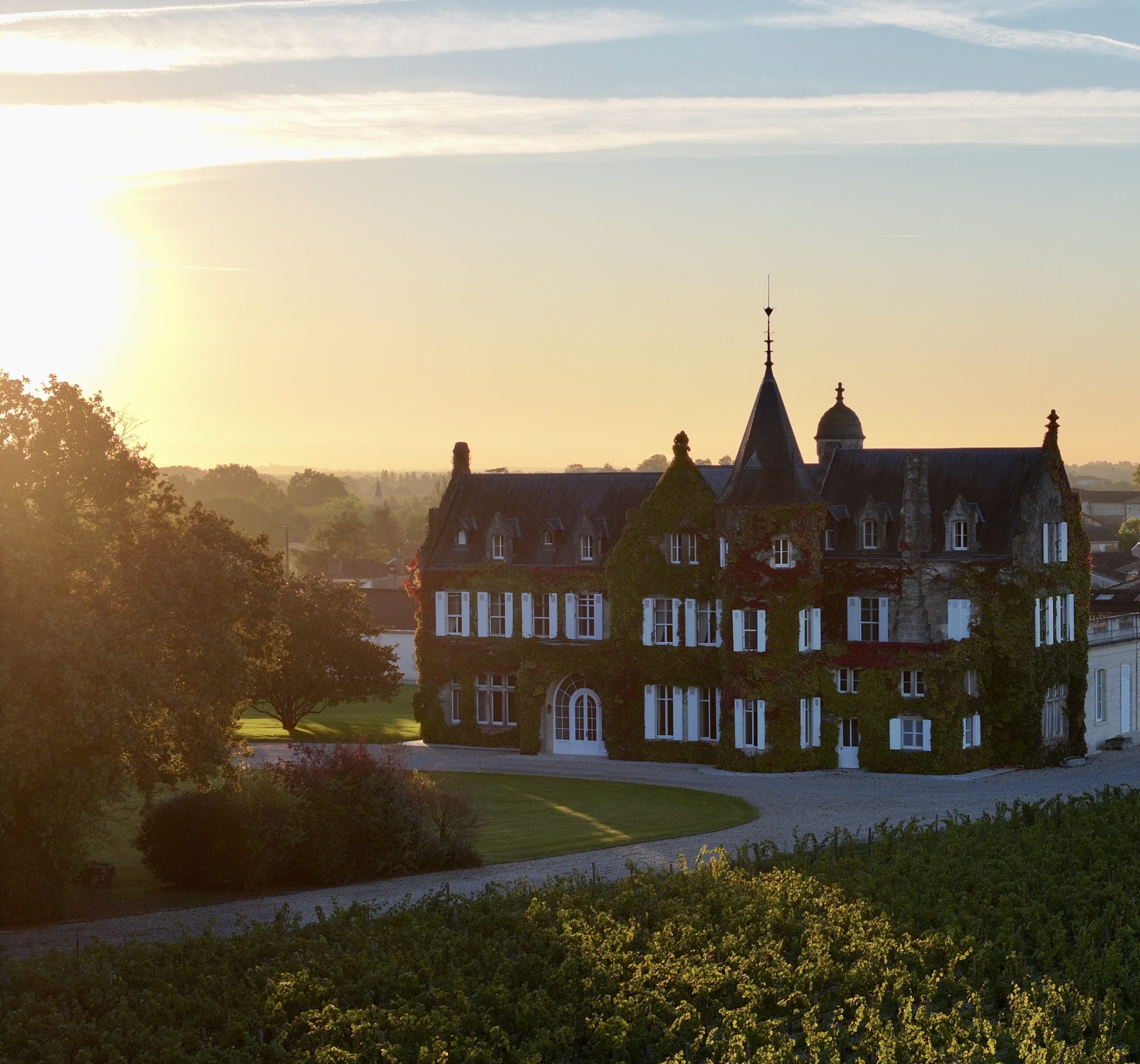
Château Lascombes, located in Margaux-Cantenac (33460), is a flagship estate of the Margaux appellation, ranked as a Second Growth (Deuxième Grand Cru Classé) in the historic 1855 Bordeaux classification.
The estate's origins date back to the 17th century, when it belonged to the Durfort de Duras family, also owners of Château Durfort-Vivens. In 1625, Antoine, Chevalier de Lascombes, inherited the estate, which has borne his name ever since. The Lascombes family retained ownership until the French Revolution.
Over the centuries, Château Lascombes changed hands several times. In 1952, renowned wine writer and merchant Alexis Lichine, alongside American investors including David Rockefeller, purchased the estate and began major renovations. In 1971, the British group Bass Charrington took over.
In 2001, it was acquired by Colony Capital and entrepreneur Yves Vatelot, who modernized the winemaking facilities and refined the estate's techniques. In 2011, it was sold to the French insurance group MACSF.
The Château Lascombes vineyard covers around 120 hectares, making it one of the largest in the Margaux appellation. It comprises three primary soil types:
The estate's grape composition is somewhat unique for Margaux, with a predominance of Merlot (50%), followed by Cabernet Sauvignon (45%) and Petit Verdot (5%).
Château Lascombes is committed to sustainable viticulture, with a focus on preserving the environment and enhancing wine quality. This is reflected in precise vineyard management tailored to the diverse terroirs of Margaux.
The current château building was constructed in 1867 by the Chaix d’Est-Ange family and stands as a remarkable example of 19th-century Médoc architecture.
Since the early 2000s, significant modernization has been carried out, including the creation of a new barrel cellar, a dedicated tasting room, and an oenotourism space, completed in 2018.
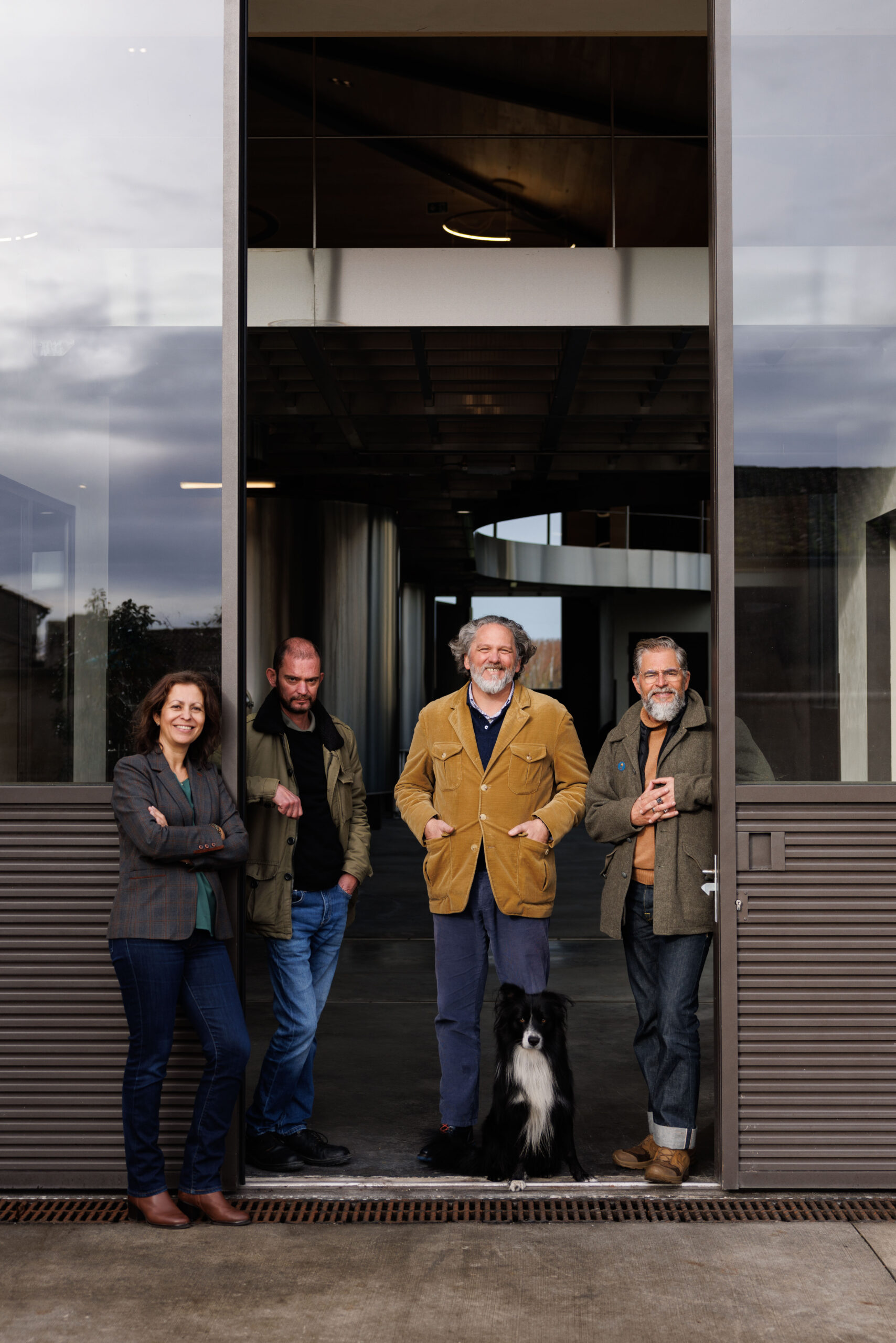
In 2022, Château Lascombes was acquired by the Lawrence family, ushering in a new chapter. Under the leadership of Gaylon Lawrence Jr., a passionate Bordeaux wine enthusiast, and Axel Heinz, a renowned oenologist with two decades of experience in Tuscany, the estate aims to solidify its status among the greatest names of Margaux.
Château Lascombes perfectly embodies the balance between heritage and innovation, drawing from its prestigious past while embracing modern practices to elevate the expression of its exceptional terroir.
At the heart of this project is the transformation of uprooted vines, traditionally considered as waste and burnt at the end of fields, into a renewable resource. Burning remains the simplest and most economical method, but a more virtuous alternative is possible thanks to the financing of the greenhouse gas emissions avoided.
This winegrowing operation is actively participating in this approach by recovering 38,4 tonnes of vines as part of this project, avoiding the emission of an estimated 42,24 TeqCO₂*.
1. Collection and sorting
The uprooted vines are collected from winegrowers in the area, particularly in Margaux-Cantenac. Selective sorting separates the different types of residue (stumps, stakes, wood markers) for further processing.
2. Transformation into biomass
The collected vines are taken to specialised facilities where they are processed into wood energy in the form of wood chips, which can be used as fuel for biomass boilers, producing heat and renewable electricity.
- To convert 38,4 tonnes of vines into a high added-value product.
- Optimise the management of vineyard residues by avoiding their simple disposal.
This project will enable the farm to become part of a circular economy in which uprooted vines become a useful resource serving the energy and agricultural transition.
Ecological : Avoiding open-air burning, limiting CO₂ emissions and atmospheric pollutants.
Economic and social : Development of an agricultural waste recycling industry, job creation and stimulation of the regional economy.
* The final value of the estimate will only be established after verification by an independent auditor and an administrative verification decision.
 Vinéa Energie
Examples: territorial dynamics, societal demand, diversification of the activity, local sales/processing, working conditions, sharing of good practices.
Examples: reduction of energy consumption of mobile and stationary installations, reduction of journeys, on-site energy production.
Vinea Énergie sees the vine beyond its status as an agricultural crop: it is a renewable resource, a source of ecological energy and a pillar of the circular economy.
Read moreEnergy recovery from vine stocks in Gironde
Château Lascombes, located in Margaux-Cantenac (33460), is a flagship estate of the Margaux appellation, ranked as a Second Growth (Deuxième Grand Cru Classé) in the historic 1855 Bordeaux classification.
The estate's origins date back to the 17th century, when it belonged to the Durfort de Duras family, also owners of Château Durfort-Vivens. In 1625, Antoine, Chevalier de Lascombes, inherited the estate, which has borne his name ever since. The Lascombes family retained ownership until the French Revolution.
Over the centuries, Château Lascombes changed hands several times. In 1952, renowned wine writer and merchant Alexis Lichine, alongside American investors including David Rockefeller, purchased the estate and began major renovations. In 1971, the British group Bass Charrington took over.
In 2001, it was acquired by Colony Capital and entrepreneur Yves Vatelot, who modernized the winemaking facilities and refined the estate's techniques. In 2011, it was sold to the French insurance group MACSF.
The Château Lascombes vineyard covers around 120 hectares, making it one of the largest in the Margaux appellation. It comprises three primary soil types:
The estate's grape composition is somewhat unique for Margaux, with a predominance of Merlot (50%), followed by Cabernet Sauvignon (45%) and Petit Verdot (5%).
Château Lascombes is committed to sustainable viticulture, with a focus on preserving the environment and enhancing wine quality. This is reflected in precise vineyard management tailored to the diverse terroirs of Margaux.
The current château building was constructed in 1867 by the Chaix d’Est-Ange family and stands as a remarkable example of 19th-century Médoc architecture.
Since the early 2000s, significant modernization has been carried out, including the creation of a new barrel cellar, a dedicated tasting room, and an oenotourism space, completed in 2018.
In 2022, Château Lascombes was acquired by the Lawrence family, ushering in a new chapter. Under the leadership of Gaylon Lawrence Jr., a passionate Bordeaux wine enthusiast, and Axel Heinz, a renowned oenologist with two decades of experience in Tuscany, the estate aims to solidify its status among the greatest names of Margaux.
Château Lascombes perfectly embodies the balance between heritage and innovation, drawing from its prestigious past while embracing modern practices to elevate the expression of its exceptional terroir.
At the heart of this project is the transformation of uprooted vines, traditionally considered as waste and burnt at the end of fields, into a renewable resource. Burning remains the simplest and most economical method, but a more virtuous alternative is possible thanks to the financing of the greenhouse gas emissions avoided.
This winegrowing operation is actively participating in this approach by recovering 38,4 tonnes of vines as part of this project, avoiding the emission of an estimated 42,24 TeqCO₂*.
1. Collection and sorting
The uprooted vines are collected from winegrowers in the area, particularly in Margaux-Cantenac. Selective sorting separates the different types of residue (stumps, stakes, wood markers) for further processing.
2. Transformation into biomass
The collected vines are taken to specialised facilities where they are processed into wood energy in the form of wood chips, which can be used as fuel for biomass boilers, producing heat and renewable electricity.
- To convert 38,4 tonnes of vines into a high added-value product.
- Optimise the management of vineyard residues by avoiding their simple disposal.
This project will enable the farm to become part of a circular economy in which uprooted vines become a useful resource serving the energy and agricultural transition.
Ecological : Avoiding open-air burning, limiting CO₂ emissions and atmospheric pollutants.
Economic and social : Development of an agricultural waste recycling industry, job creation and stimulation of the regional economy.
* The final value of the estimate will only be established after verification by an independent auditor and an administrative verification decision.