 Vinéa Energie
Examples: territorial dynamics, societal demand, diversification of the activity, local sales/processing, working conditions, sharing of good practices.

Examples: reduction of energy consumption of mobile and stationary installations, reduction of journeys, on-site energy production.
Vinea Énergie sees the vine beyond its status as an agricultural crop: it is a renewable resource, a source of ecological energy and a pillar of the circular economy.
Read moreEnergy recovery from vine stocks in Gironde
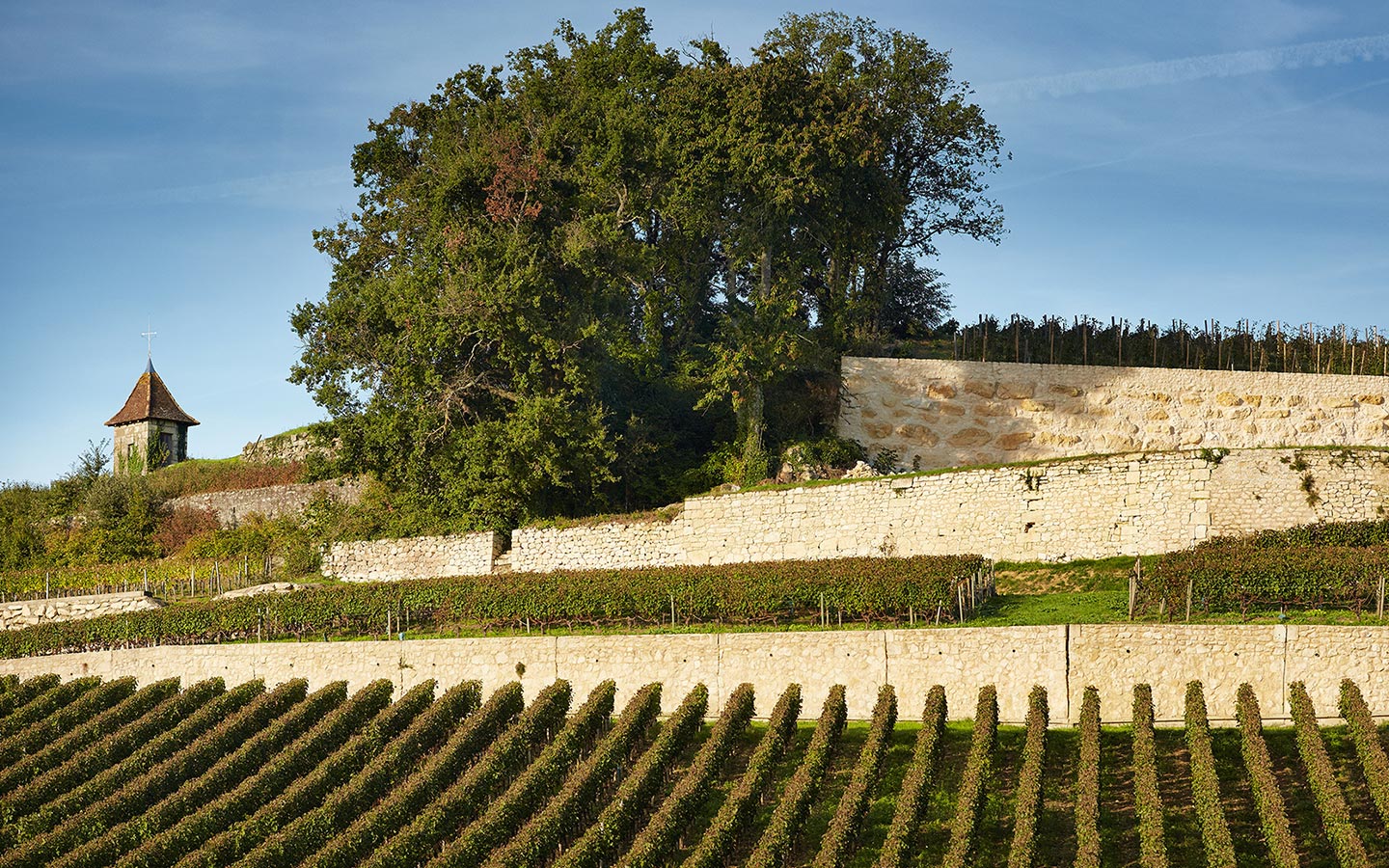
Château Pavie, located in Saint-Émilion (33), is an iconic wine estate in the Bordeaux region, renowned for its Premier Grand Cru Classé A classification.
The winemaking origins of Château Pavie date back to Roman times, when vines were already cultivated on these lands. The name "Pavie" comes from the peach trees ("pavies") that once occupied the estate. Over the centuries, the estate has had several owners, including the Valette family until 1998, when Gérard Perse acquired it. Under his leadership, the château underwent extensive renovations and modernized winemaking techniques, contributing to its rise to the top of the Saint-Émilion classifications.
The Vineyard
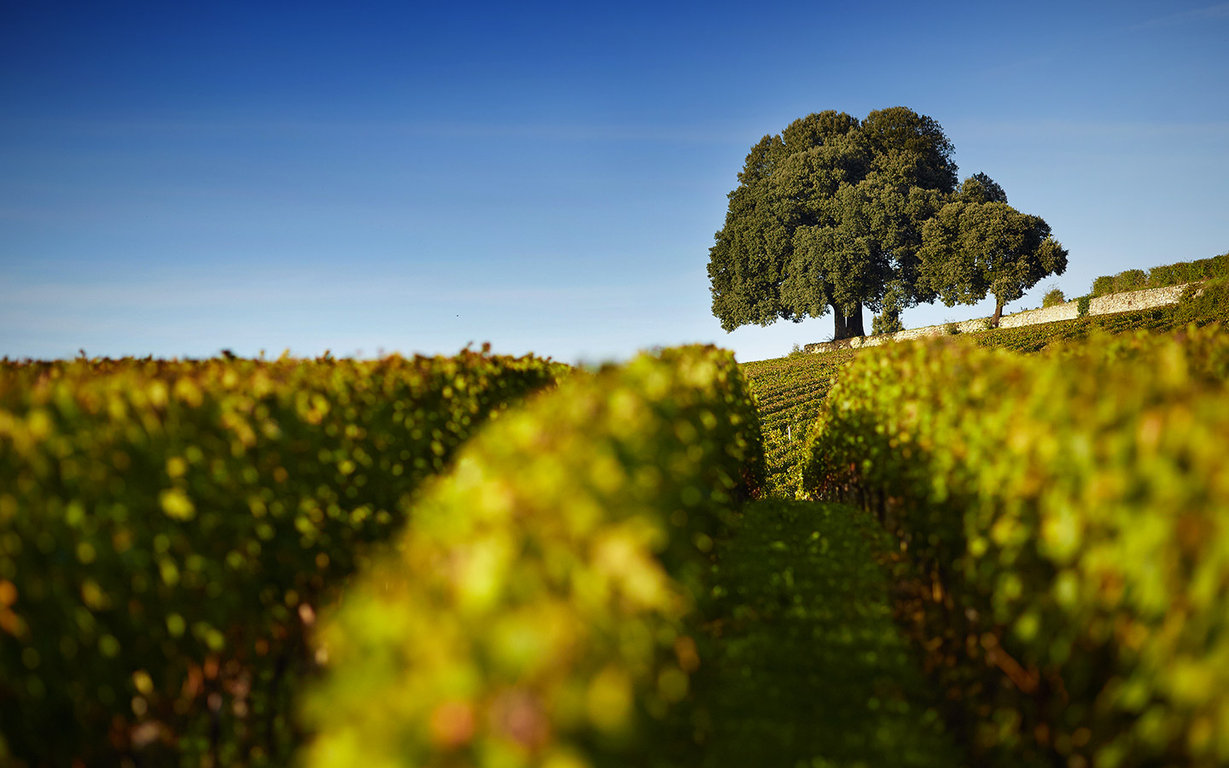
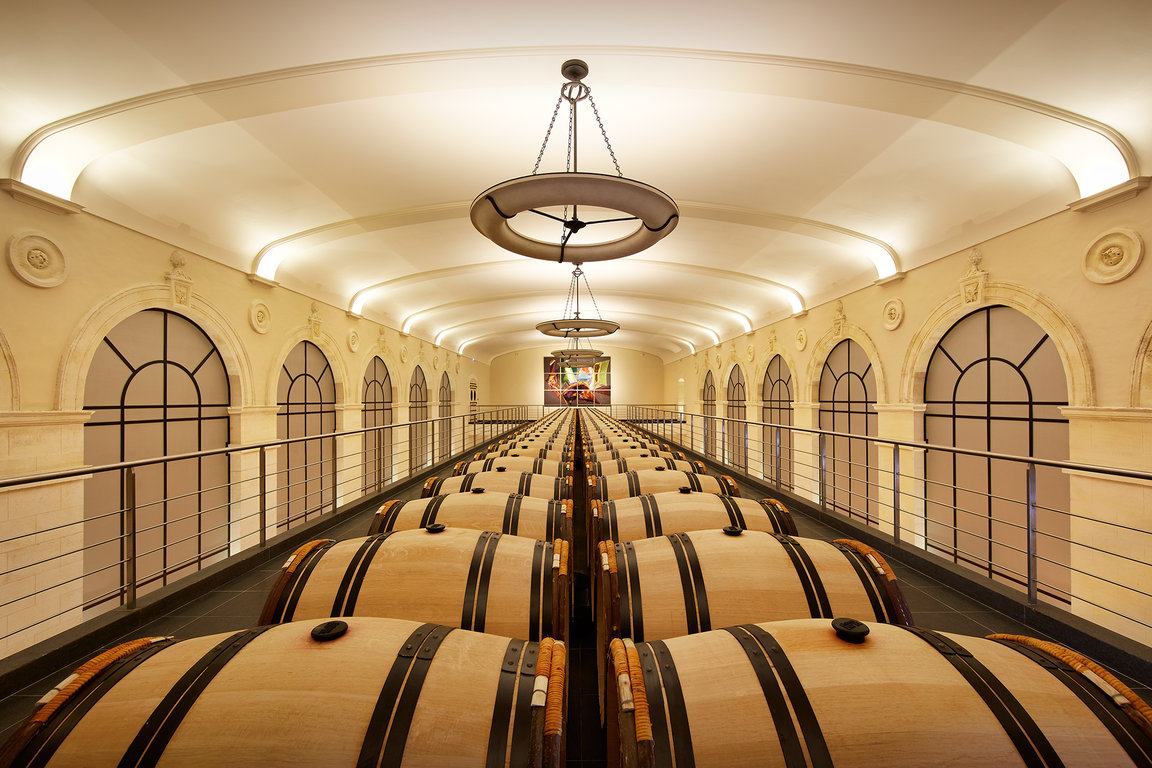
Spanning 37 hectares, the Château Pavie vineyard is one of the largest among the Premier Grands Crus Classés of Saint-Émilion. The soils consist mainly of red and brown clays on asteriated limestone, clay-limestone soils, and Fronsadais molasses. The grape varieties are dominated by Merlot (60%), followed by Cabernet Franc (30%) and Cabernet Sauvignon (10%). The wines are aged for 18 to 32 months in French oak barrels, with a proportion of new wood ranging from 70% to 100%.
Environmental Commitment
Château Pavie practices sustainable viticulture and is considering converting to organic farming in the future. Under the leadership of Gérard Perse, the team is willing to make radical changes to ensure optimal wine quality, regardless of critics. Furthermore, the Saint-Émilion appellation, to which Château Pavie belongs, is actively committed to a comprehensive environmental approach, focused on six pillars: - Soil Biodiversity - Biocontrol - Living Landscapes - Water Use and Quality - Responding to the Challenges of Climate Change - Human Intervention These initiatives reflect the commitment of Château Pavie and the entire Saint-Émilion appellation to environmentally friendly and sustainable viticulture.
At the heart of this project is the transformation of uprooted vines, traditionally considered as waste and burnt at the end of fields, into a renewable resource. Burning remains the simplest and most economical method, but a more virtuous alternative is possible thanks to the financing of the greenhouse gas emissions avoided.
This winegrowing operation is actively participating in this approach by recovering 129,8 tonnes of vines as part of this project, avoiding the emission of an estimated 142,78 TeqCO₂*.
1. Collection and sorting
The uprooted vines are collected from winegrowers in the area, particularly in Perignac. Selective sorting separates the different types of residue (stumps, stakes, wood markers) for further processing.
2. Transformation into biomass
The collected vines are taken to specialised facilities where they are processed into wood energy in the form of wood chips, which can be used as fuel for biomass boilers, producing heat and renewable electricity.
- To convert 129,8 tonnes of vines into a high added-value product.
- Optimise the management of vineyard residues by avoiding their simple disposal.
This project will enable the farm to become part of a circular economy in which uprooted vines become a useful resource serving the energy and agricultural transition.
Ecological : Avoiding open-air burning, limiting CO₂ emissions and atmospheric pollutants.
Economic and social : Development of an agricultural waste recycling industry, job creation and stimulation of the regional economy.
* The final value of the estimate will only be established after verification by an independent auditor and an administrative verification decision.
 Vinéa Energie
Examples: territorial dynamics, societal demand, diversification of the activity, local sales/processing, working conditions, sharing of good practices.
Examples: reduction of energy consumption of mobile and stationary installations, reduction of journeys, on-site energy production.
Vinea Énergie sees the vine beyond its status as an agricultural crop: it is a renewable resource, a source of ecological energy and a pillar of the circular economy.
Read moreEnergy recovery from vine stocks in Gironde
Château Pavie, located in Saint-Émilion (33), is an iconic wine estate in the Bordeaux region, renowned for its Premier Grand Cru Classé A classification.
The winemaking origins of Château Pavie date back to Roman times, when vines were already cultivated on these lands. The name "Pavie" comes from the peach trees ("pavies") that once occupied the estate. Over the centuries, the estate has had several owners, including the Valette family until 1998, when Gérard Perse acquired it. Under his leadership, the château underwent extensive renovations and modernized winemaking techniques, contributing to its rise to the top of the Saint-Émilion classifications.
The Vineyard
Spanning 37 hectares, the Château Pavie vineyard is one of the largest among the Premier Grands Crus Classés of Saint-Émilion. The soils consist mainly of red and brown clays on asteriated limestone, clay-limestone soils, and Fronsadais molasses. The grape varieties are dominated by Merlot (60%), followed by Cabernet Franc (30%) and Cabernet Sauvignon (10%). The wines are aged for 18 to 32 months in French oak barrels, with a proportion of new wood ranging from 70% to 100%.
Environmental Commitment
Château Pavie practices sustainable viticulture and is considering converting to organic farming in the future. Under the leadership of Gérard Perse, the team is willing to make radical changes to ensure optimal wine quality, regardless of critics. Furthermore, the Saint-Émilion appellation, to which Château Pavie belongs, is actively committed to a comprehensive environmental approach, focused on six pillars: - Soil Biodiversity - Biocontrol - Living Landscapes - Water Use and Quality - Responding to the Challenges of Climate Change - Human Intervention These initiatives reflect the commitment of Château Pavie and the entire Saint-Émilion appellation to environmentally friendly and sustainable viticulture.
At the heart of this project is the transformation of uprooted vines, traditionally considered as waste and burnt at the end of fields, into a renewable resource. Burning remains the simplest and most economical method, but a more virtuous alternative is possible thanks to the financing of the greenhouse gas emissions avoided.
This winegrowing operation is actively participating in this approach by recovering 129,8 tonnes of vines as part of this project, avoiding the emission of an estimated 142,78 TeqCO₂*.
1. Collection and sorting
The uprooted vines are collected from winegrowers in the area, particularly in Perignac. Selective sorting separates the different types of residue (stumps, stakes, wood markers) for further processing.
2. Transformation into biomass
The collected vines are taken to specialised facilities where they are processed into wood energy in the form of wood chips, which can be used as fuel for biomass boilers, producing heat and renewable electricity.
- To convert 129,8 tonnes of vines into a high added-value product.
- Optimise the management of vineyard residues by avoiding their simple disposal.
This project will enable the farm to become part of a circular economy in which uprooted vines become a useful resource serving the energy and agricultural transition.
Ecological : Avoiding open-air burning, limiting CO₂ emissions and atmospheric pollutants.
Economic and social : Development of an agricultural waste recycling industry, job creation and stimulation of the regional economy.
* The final value of the estimate will only be established after verification by an independent auditor and an administrative verification decision.