 Vinéa Energie
Examples: territorial dynamics, societal demand, diversification of the activity, local sales/processing, working conditions, sharing of good practices.

Examples: reduction of energy consumption of mobile and stationary installations, reduction of journeys, on-site energy production.
Vinea Énergie sees the vine beyond its status as an agricultural crop: it is a renewable resource, a source of ecological energy and a pillar of the circular economy.
Read moreUsing vine stocks as biomass fuel in Gironde
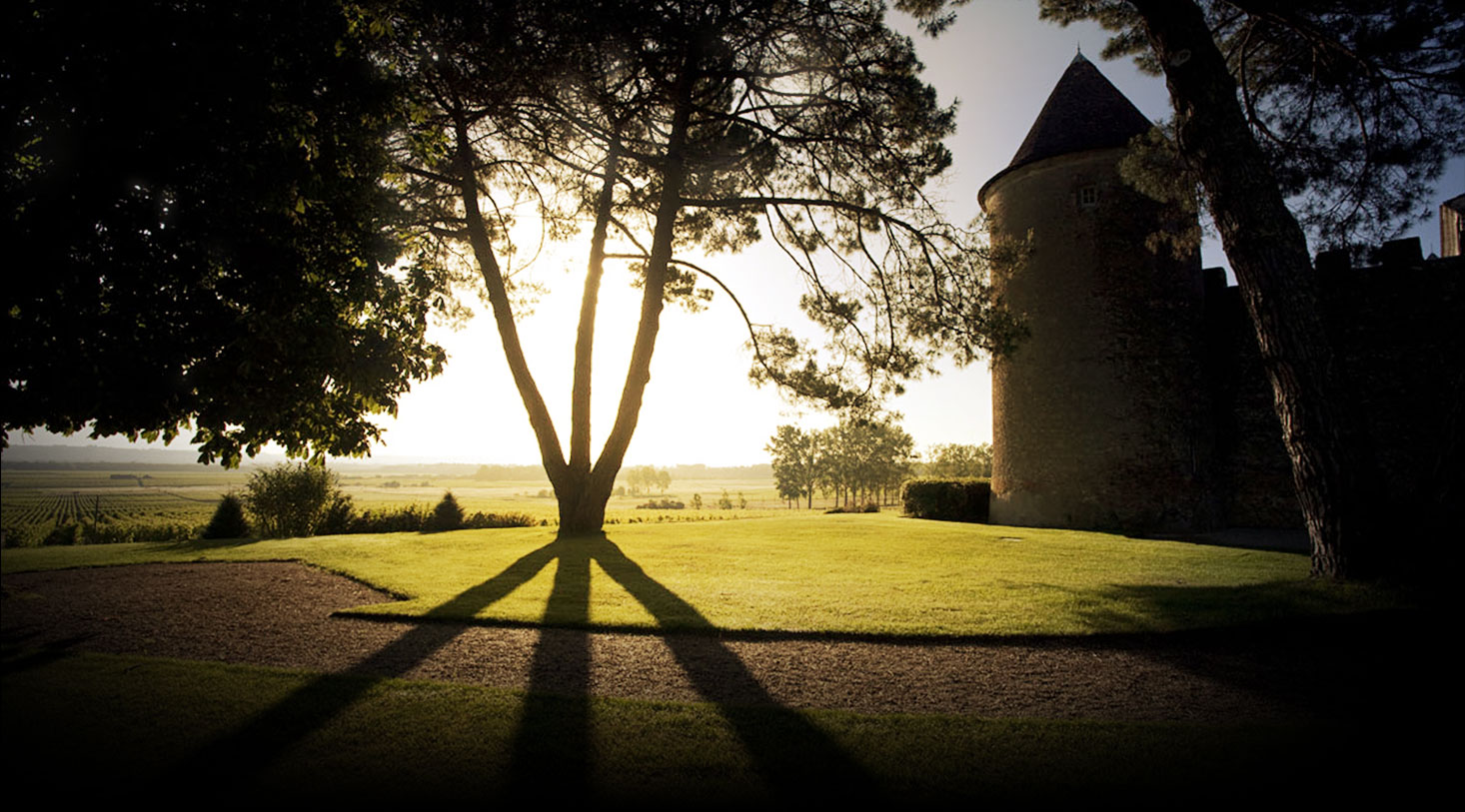
Château d’Yquem, located in Sauternes, Gironde (33210), is an iconic wine estate, renowned worldwide for its exceptional sweet wine.
The history of Château d’Yquem dates back to the Middle Ages, when the estate belonged to the English crown. In 1453, with the annexation of Aquitaine to France, the property came under French control. In 1593, Jacques Sauvage was granted the tenure rights to the estate, and his family became full owners in 1711. Under the leadership of Françoise-Joséphine de Sauvage d’Yquem in the 18th century, the estate experienced significant development. In 1855, during the imperial classification of Bordeaux wines, Château d’Yquem was distinguished as the one and only Premier Cru Supérieur, a unique recognition of its excellence. Since 1999, the estate has been majority-owned by the LVMH.
Group.Terroir, Vineyard, and Winemaking
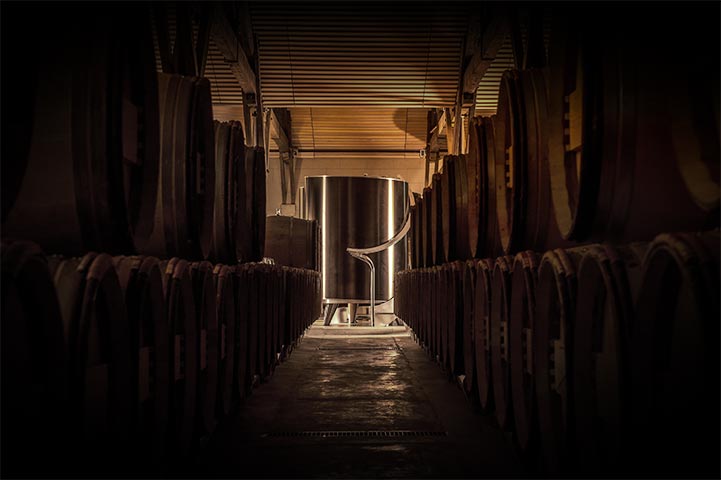
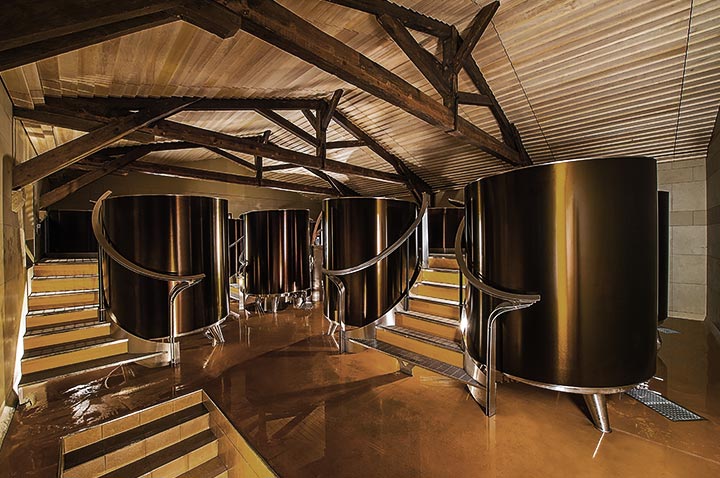
The vineyard of Château d’Yquem covers approximately 100 hectares, planted primarily with Sémillon (75%) and Sauvignon Blanc (25%). The estate benefits from a unique microclimate that encourages the development of noble rot (Botrytis cinerea), essential for producing sweet wines.Harvesting is done manually, through multiple selective passes, picking only the grapes affected by noble rot. Vinification and aging take place in oak barrels, giving the wines remarkable complexity and aging potential.
Environmental Commitment and Carbon Offset Project
Fully aware of today’s environmental challenges, Château d’Yquem has launched several initiatives to reduce its carbon footprint. This includes conducting a carbon audit, transitioning to an electric vehicle fleet, and implementing other measures aimed at minimizing its environmental impact.
Description and pictures from official website : www.yquem.fr
At the heart of this project is the transformation of uprooted vines, traditionally considered as waste and burnt at the end of fields, into a renewable resource. Burning remains the simplest and most economical method, but a more virtuous alternative is possible thanks to the financing of the greenhouse gas emissions avoided.
This winegrowing operation is actively participating in this approach by recovering 66,7 tonnes of vines as part of this project, avoiding the emission of an estimated 73,37 TeqCO₂*.
1. Collection and sorting
The uprooted vines are collected from winegrowers in the area, particularly in Sauternes. Selective sorting separates the different types of residue (stumps, stakes, wood markers) for further processing.
2. Transformation into biomass
The collected vines are taken to specialised facilities where they are processed into wood energy in the form of wood chips, which can be used as fuel for biomass boilers, producing heat and renewable electricity.
- To convert 66,7 tonnes of vines into a high added-value product.
- Optimise the management of vineyard residues by avoiding their simple disposal.
This project will enable the farm to become part of a circular economy in which uprooted vines become a useful resource serving the energy and agricultural transition.
Ecological : Avoiding open-air burning, limiting CO₂ emissions and atmospheric pollutants.
Economic and social : Development of an agricultural waste recycling industry, job creation and stimulation of the regional economy.
* The final value of the estimate will only be established after verification by an independent auditor and an administrative verification decision.
 Vinéa Energie
Examples: territorial dynamics, societal demand, diversification of the activity, local sales/processing, working conditions, sharing of good practices.
Examples: reduction of energy consumption of mobile and stationary installations, reduction of journeys, on-site energy production.
Vinea Énergie sees the vine beyond its status as an agricultural crop: it is a renewable resource, a source of ecological energy and a pillar of the circular economy.
Read moreUsing vine stocks as biomass fuel in Gironde
Château d’Yquem, located in Sauternes, Gironde (33210), is an iconic wine estate, renowned worldwide for its exceptional sweet wine.
The history of Château d’Yquem dates back to the Middle Ages, when the estate belonged to the English crown. In 1453, with the annexation of Aquitaine to France, the property came under French control. In 1593, Jacques Sauvage was granted the tenure rights to the estate, and his family became full owners in 1711. Under the leadership of Françoise-Joséphine de Sauvage d’Yquem in the 18th century, the estate experienced significant development. In 1855, during the imperial classification of Bordeaux wines, Château d’Yquem was distinguished as the one and only Premier Cru Supérieur, a unique recognition of its excellence. Since 1999, the estate has been majority-owned by the LVMH.
Group.Terroir, Vineyard, and Winemaking
The vineyard of Château d’Yquem covers approximately 100 hectares, planted primarily with Sémillon (75%) and Sauvignon Blanc (25%). The estate benefits from a unique microclimate that encourages the development of noble rot (Botrytis cinerea), essential for producing sweet wines.Harvesting is done manually, through multiple selective passes, picking only the grapes affected by noble rot. Vinification and aging take place in oak barrels, giving the wines remarkable complexity and aging potential.
Environmental Commitment and Carbon Offset Project
Fully aware of today’s environmental challenges, Château d’Yquem has launched several initiatives to reduce its carbon footprint. This includes conducting a carbon audit, transitioning to an electric vehicle fleet, and implementing other measures aimed at minimizing its environmental impact.
Description and pictures from official website : www.yquem.fr
At the heart of this project is the transformation of uprooted vines, traditionally considered as waste and burnt at the end of fields, into a renewable resource. Burning remains the simplest and most economical method, but a more virtuous alternative is possible thanks to the financing of the greenhouse gas emissions avoided.
This winegrowing operation is actively participating in this approach by recovering 66,7 tonnes of vines as part of this project, avoiding the emission of an estimated 73,37 TeqCO₂*.
1. Collection and sorting
The uprooted vines are collected from winegrowers in the area, particularly in Sauternes. Selective sorting separates the different types of residue (stumps, stakes, wood markers) for further processing.
2. Transformation into biomass
The collected vines are taken to specialised facilities where they are processed into wood energy in the form of wood chips, which can be used as fuel for biomass boilers, producing heat and renewable electricity.
- To convert 66,7 tonnes of vines into a high added-value product.
- Optimise the management of vineyard residues by avoiding their simple disposal.
This project will enable the farm to become part of a circular economy in which uprooted vines become a useful resource serving the energy and agricultural transition.
Ecological : Avoiding open-air burning, limiting CO₂ emissions and atmospheric pollutants.
Economic and social : Development of an agricultural waste recycling industry, job creation and stimulation of the regional economy.
* The final value of the estimate will only be established after verification by an independent auditor and an administrative verification decision.