 Vinéa Energie
Examples: territorial dynamics, societal demand, diversification of the activity, local sales/processing, working conditions, sharing of good practices.

Examples: reduction of energy consumption of mobile and stationary installations, reduction of journeys, on-site energy production.

Vinea Énergie sees the vine beyond its status as an agricultural crop: it is a renewable resource, a source of ecological energy and a pillar of the circular economy.
Read moreEnergy recovery from vine stocks in Gironde
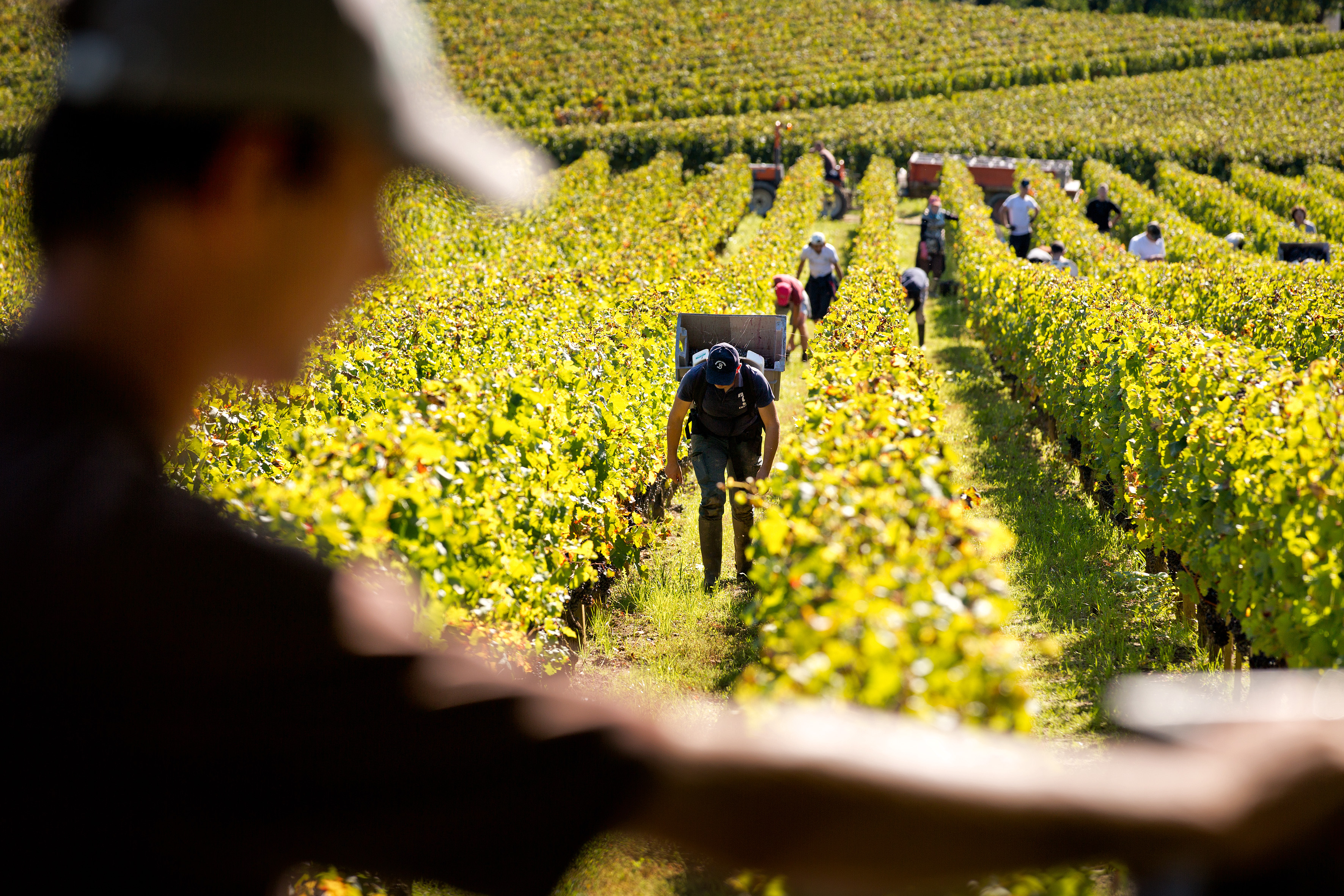
Château Angélus, located in Saint-Émilion (33330), is an iconic wine estate in the Bordeaux region, renowned for its classification as a Premier Grand Cru Classé A until 2021.
The history of Château Angélus is deeply intertwined with the de Boüard de Laforest family, who have owned the estate since 1782, spanning eight generations. The name “Angélus” refers to the Catholic prayer traditionally rung three times a day. The vineyard is located at a spot where the bells of three local churches could be heard simultaneously ringing the Angelus, hence the name.
Over the years, the estate built a reputation for excellence, culminating in its promotion to Premier Grand Cru Classé A in 2012. In 2021, Château Angélus chose to withdraw from the official Saint-Émilion classification.
Vineyard and Terroir
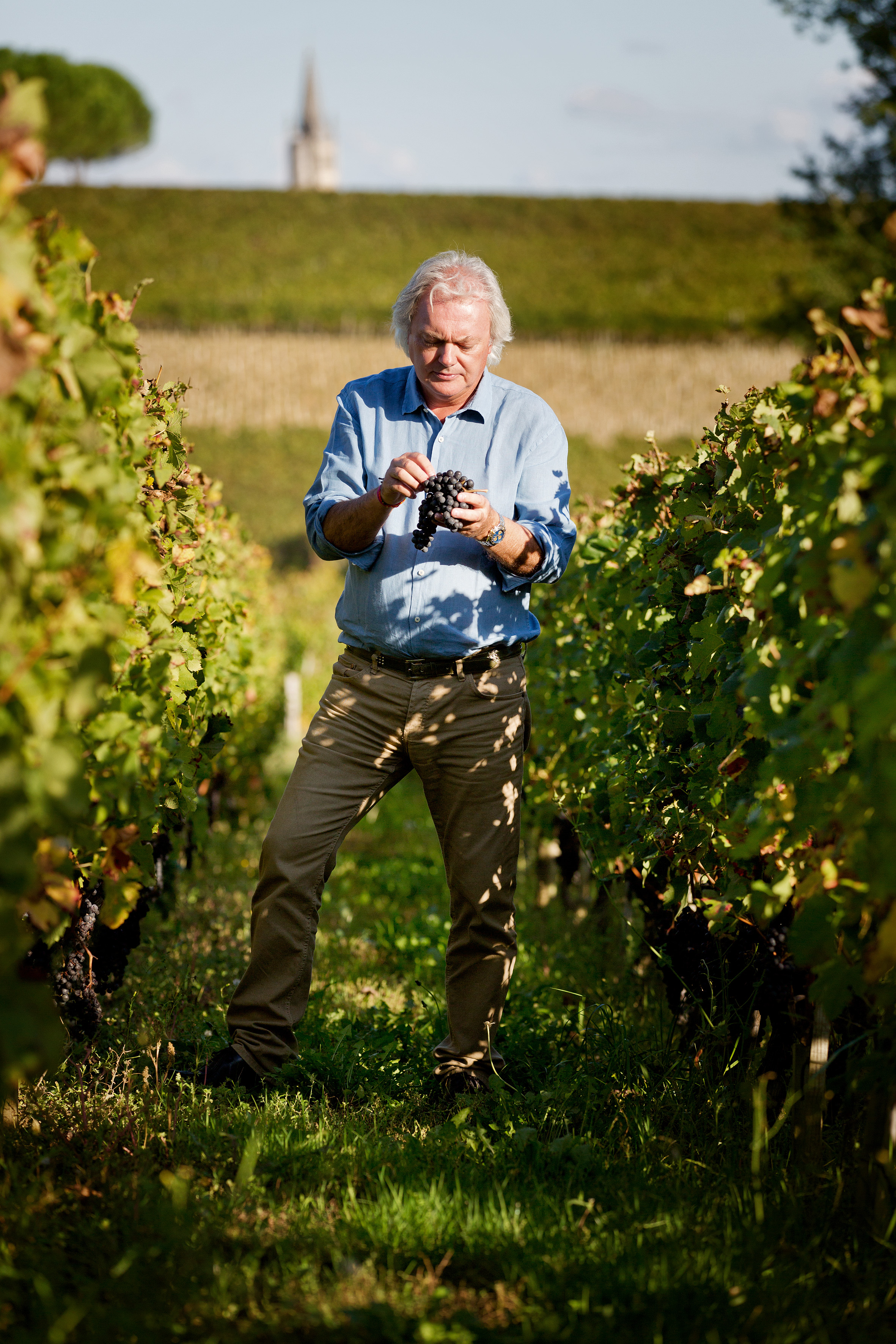
The Château Angélus vineyard covers 27 hectares, located primarily on clay-limestone slopes and clay-sandy soils. The varietal composition includes 50% Merlot, 47% Cabernet Franc, and 3% Cabernet Sauvignon. Some of the vines are over 60 years old, with a planting density ranging between 6,500 and 8,000 vines per hectare.
Environmental Commitment
Château Angélus is widely recognized for its commitment to sustainability and social responsibility. The estate implements environmentally conscious agricultural practices such as the use of organic fertilizers, cover cropping between vineyard rows, and the preservation of soil biodiversity. These initiatives aim to minimize environmental impact while producing wines of outstanding quality.
Architecture and Facilities
In 2014, Château Angélus unveiled a new winery, designed to merge technological innovation with environmental respect. The facility is certified High Environmental Value (HVE3) and BREEAM, incorporating technical, ecological, and aesthetic criteria that reflect the estate’s dedication to sustainable viticulture.
Wines and Production
Château Angélus primarily produces two wines:
The average annual production is around 10,000 cases for the grand vin and 1,000 cases for the second wine.
Château Angélus stands as a symbol of the harmony between tradition and innovation, building on a rich family heritage while embracing modern and sustainable practices to bring out the full expression of its exceptional terroir.
At the heart of this project is the transformation of uprooted vines, traditionally considered as waste and burnt at the end of fields, into a renewable resource. Burning remains the simplest and most economical method, but a more virtuous alternative is possible thanks to the financing of the greenhouse gas emissions avoided.
This winegrowing operation is actively participating in this approach by recovering 89 tonnes of vines as part of this project, avoiding the emission of an estimated 97,9 TeqCO₂*.
1. Collection and sorting
The uprooted vines are collected from winegrowers in the area, particularly in Saint-Emilion. Selective sorting separates the different types of residue (stumps, stakes, wood markers) for further processing.
2. Transformation into biomass
The collected vines are taken to specialised facilities where they are processed into wood energy in the form of wood chips, which can be used as fuel for biomass boilers, producing heat and renewable electricity.
- To convert 89 tonnes of vines into a high added-value product.
- Optimise the management of vineyard residues by avoiding their simple disposal.
This project will enable the farm to become part of a circular economy in which uprooted vines become a useful resource serving the energy and agricultural transition.
Ecological : Avoiding open-air burning, limiting CO₂ emissions and atmospheric pollutants.
Economic and social : Development of an agricultural waste recycling industry, job creation and stimulation of the regional economy.
* The final value of the estimate will only be established after verification by an independent auditor and an administrative verification decision.
 Vinéa Energie
Examples: territorial dynamics, societal demand, diversification of the activity, local sales/processing, working conditions, sharing of good practices.
Examples: reduction of energy consumption of mobile and stationary installations, reduction of journeys, on-site energy production.
Vinea Énergie sees the vine beyond its status as an agricultural crop: it is a renewable resource, a source of ecological energy and a pillar of the circular economy.
Read moreEnergy recovery from vine stocks in Gironde
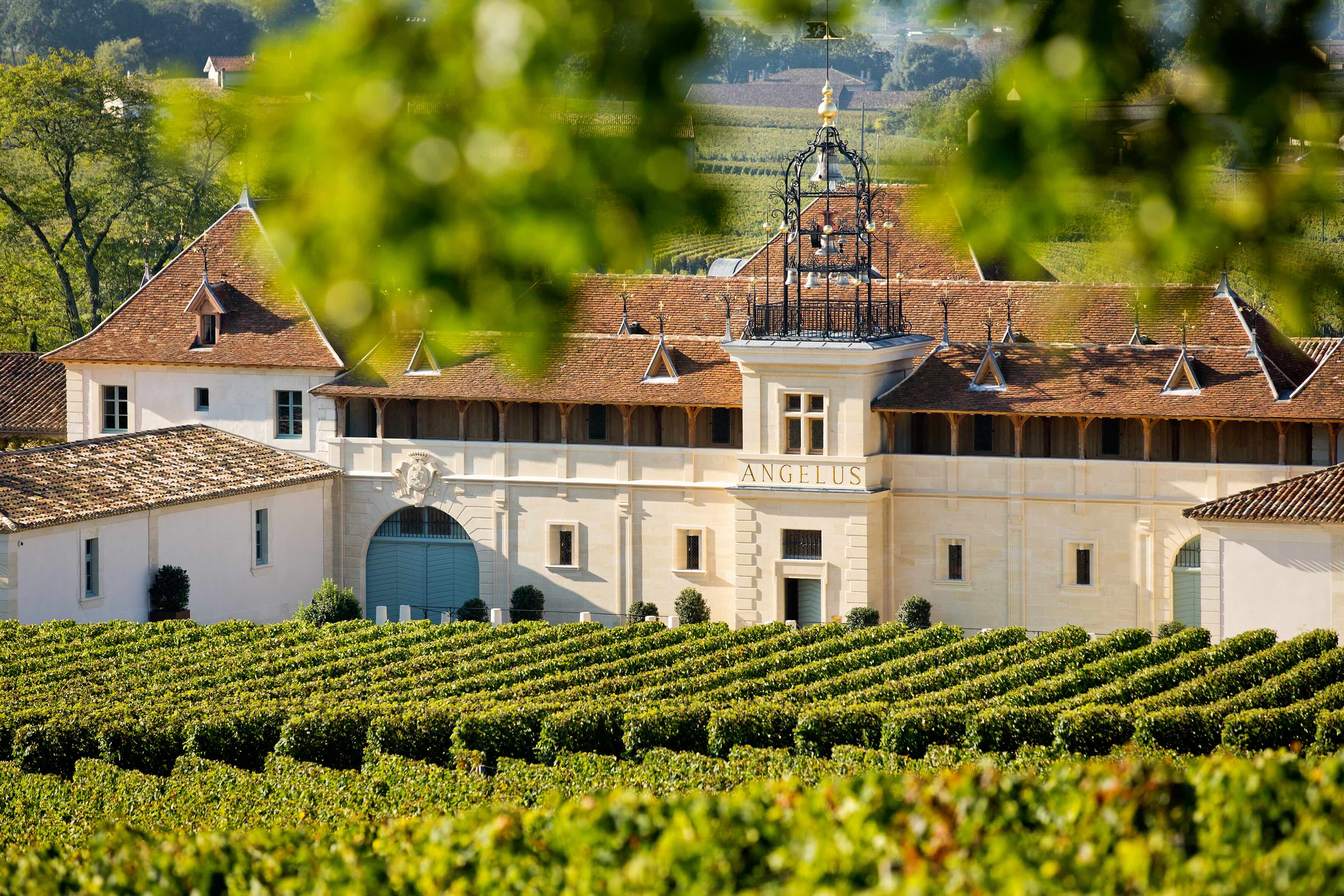
Château Angélus, located in Saint-Émilion (33330), is an iconic wine estate in the Bordeaux region, renowned for its classification as a Premier Grand Cru Classé A until 2021.
The history of Château Angélus is deeply intertwined with the de Boüard de Laforest family, who have owned the estate since 1782, spanning eight generations. The name “Angélus” refers to the Catholic prayer traditionally rung three times a day. The vineyard is located at a spot where the bells of three local churches could be heard simultaneously ringing the Angelus, hence the name.
Over the years, the estate built a reputation for excellence, culminating in its promotion to Premier Grand Cru Classé A in 2012. In 2021, Château Angélus chose to withdraw from the official Saint-Émilion classification.
Vineyard and Terroir
The Château Angélus vineyard covers 27 hectares, located primarily on clay-limestone slopes and clay-sandy soils. The varietal composition includes 50% Merlot, 47% Cabernet Franc, and 3% Cabernet Sauvignon. Some of the vines are over 60 years old, with a planting density ranging between 6,500 and 8,000 vines per hectare.
Environmental Commitment
Château Angélus is widely recognized for its commitment to sustainability and social responsibility. The estate implements environmentally conscious agricultural practices such as the use of organic fertilizers, cover cropping between vineyard rows, and the preservation of soil biodiversity. These initiatives aim to minimize environmental impact while producing wines of outstanding quality.
Architecture and Facilities
In 2014, Château Angélus unveiled a new winery, designed to merge technological innovation with environmental respect. The facility is certified High Environmental Value (HVE3) and BREEAM, incorporating technical, ecological, and aesthetic criteria that reflect the estate’s dedication to sustainable viticulture.
Wines and Production
Château Angélus primarily produces two wines:
The average annual production is around 10,000 cases for the grand vin and 1,000 cases for the second wine.
Château Angélus stands as a symbol of the harmony between tradition and innovation, building on a rich family heritage while embracing modern and sustainable practices to bring out the full expression of its exceptional terroir.
At the heart of this project is the transformation of uprooted vines, traditionally considered as waste and burnt at the end of fields, into a renewable resource. Burning remains the simplest and most economical method, but a more virtuous alternative is possible thanks to the financing of the greenhouse gas emissions avoided.
This winegrowing operation is actively participating in this approach by recovering 89 tonnes of vines as part of this project, avoiding the emission of an estimated 97,9 TeqCO₂*.
1. Collection and sorting
The uprooted vines are collected from winegrowers in the area, particularly in Saint-Emilion. Selective sorting separates the different types of residue (stumps, stakes, wood markers) for further processing.
2. Transformation into biomass
The collected vines are taken to specialised facilities where they are processed into wood energy in the form of wood chips, which can be used as fuel for biomass boilers, producing heat and renewable electricity.
- To convert 89 tonnes of vines into a high added-value product.
- Optimise the management of vineyard residues by avoiding their simple disposal.
This project will enable the farm to become part of a circular economy in which uprooted vines become a useful resource serving the energy and agricultural transition.
Ecological : Avoiding open-air burning, limiting CO₂ emissions and atmospheric pollutants.
Economic and social : Development of an agricultural waste recycling industry, job creation and stimulation of the regional economy.
* The final value of the estimate will only be established after verification by an independent auditor and an administrative verification decision.