 Vinéa Energie
Examples: territorial dynamics, societal demand, diversification of the activity, local sales/processing, working conditions, sharing of good practices.

Examples: reduction of energy consumption of mobile and stationary installations, reduction of journeys, on-site energy production.
Vinea Énergie sees the vine beyond its status as an agricultural crop: it is a renewable resource, a source of ecological energy and a pillar of the circular economy.
Read moreUsing vine stocks as biomass fuel in Gironde
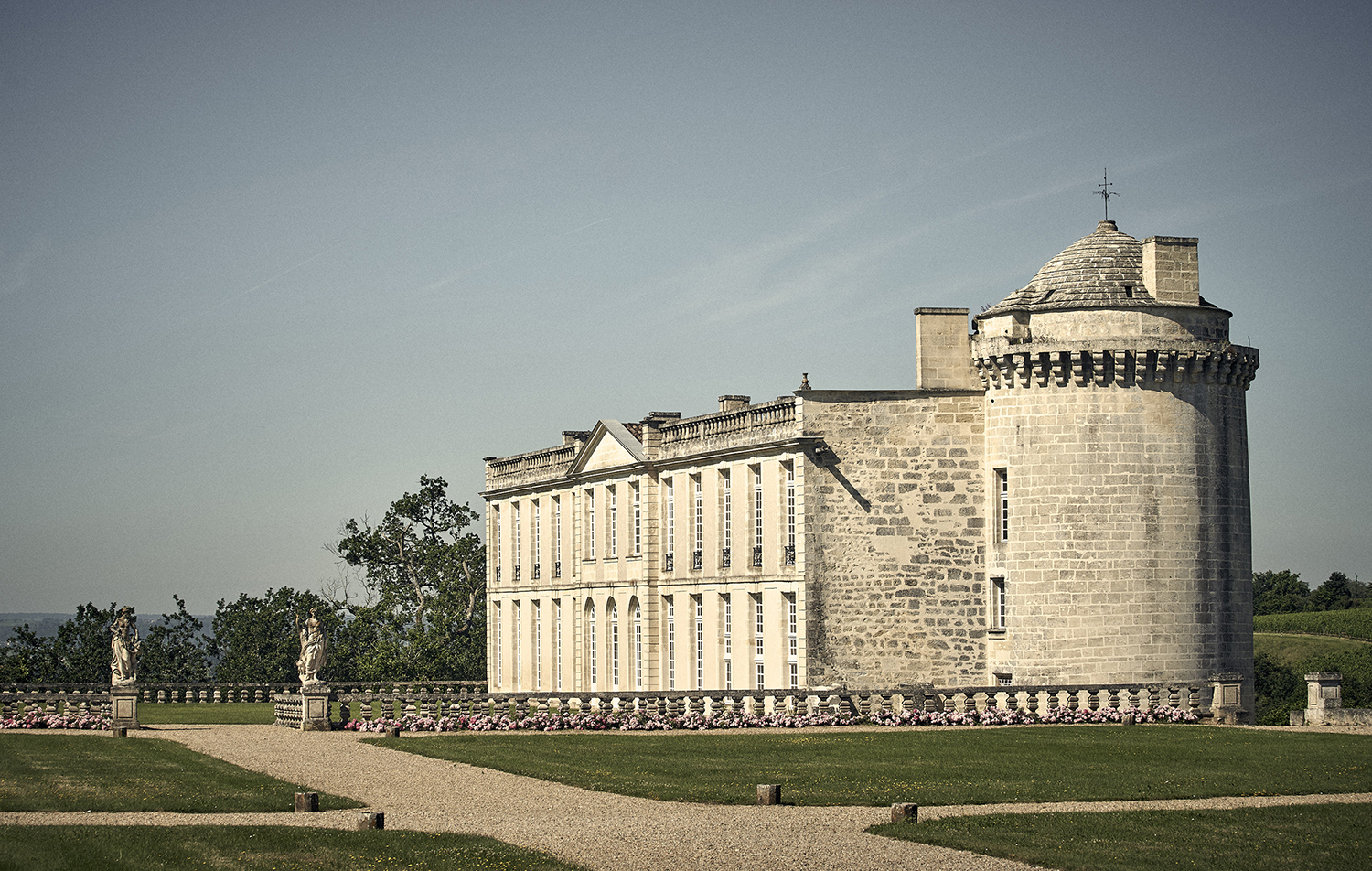
SCA Famille Beaumartin, located in Saint-Christophe-des-Bardes (33330), is a flagship family-run wine estate in the Bordeaux region. It owns the prestigious Château Laroque, a historic property whose winemaking origins go back several centuries, with evidence of vine cultivation dating back to the Middle Ages.
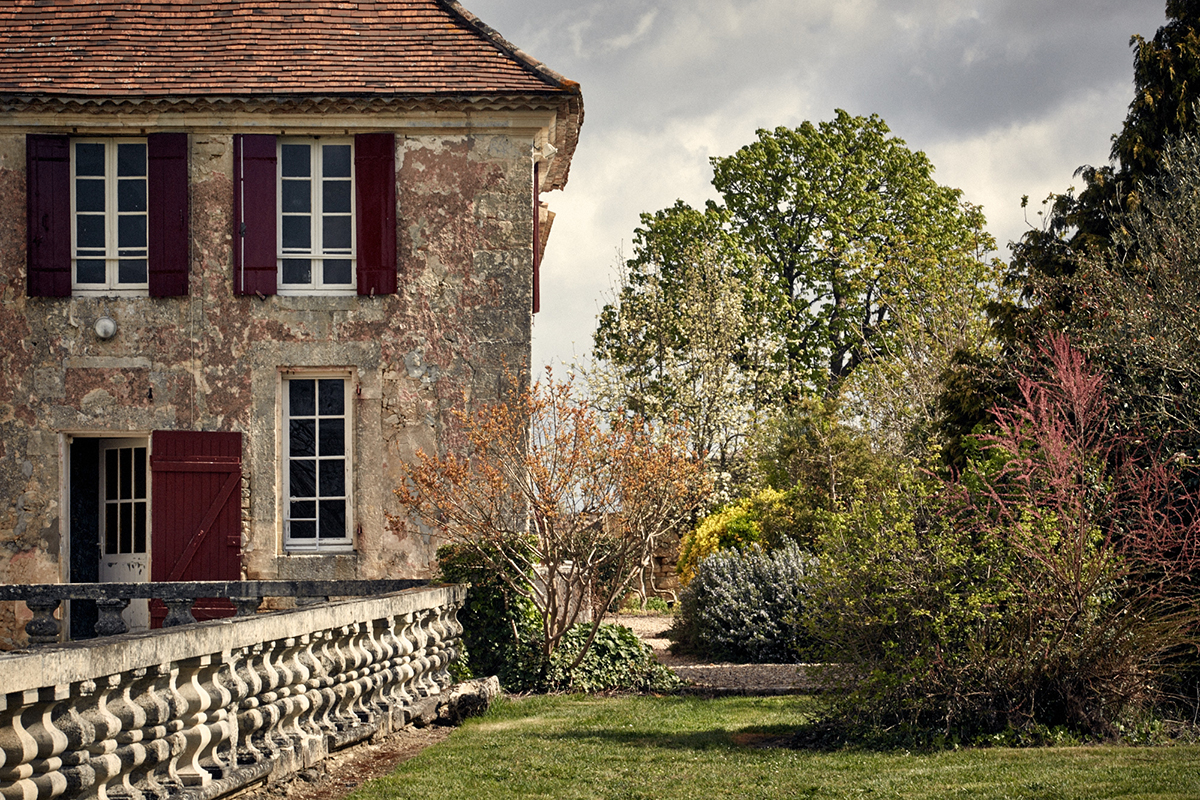
Château Laroque became part of the Beaumartin family estate in 1935, marking the beginning of an intergenerational legacy rooted in a deep attachment to the land, the terroir, and the winemaking traditions of Saint-Émilion. The estate is built around a majestic 17th-century château, listed as a Historic Monument, perched atop the limestone plateau of the appellation.
Since 2015, the family has entrusted the management of the estate to David Suire, a renowned and passionate oenologist who embodies the renewal of Château Laroque. His vision: to fully express the potential of the terroir through precise and elegant wines, while embedding the estate within a sustainable and responsible approach. This harmonious balance of heritage, innovation, and respect for nature allows Château Laroque to shine among the Grands Crus Classés of Saint-Émilion.
Château Laroque spans an extensive 60-hectare vineyard, with 27 hectares dedicated to Grand Cru Classé wines. The vines, planted predominantly with Merlot, benefit from ideal exposure on clay-limestone soils, giving the wines their remarkable structure and complexity.
At the heart of this project is the transformation of uprooted vines, traditionally considered as waste and burnt at the end of fields, into a renewable resource. Burning remains the simplest and most economical method, but a more virtuous alternative is possible thanks to the financing of the greenhouse gas emissions avoided.
This winegrowing operation is actively participating in this approach by recovering 8,2 tonnes of vines as part of this project, avoiding the emission of an estimated 9,02 TeqCO₂*.
1. Collection and sorting
The uprooted vines are collected from winegrowers in the area, particularly in Saint-Christophe-des-Bardes. Selective sorting separates the different types of residue (stumps, stakes, wood markers) for further processing.
2. Transformation into biomass
The collected vines are taken to specialised facilities where they are processed into wood energy in the form of wood chips, which can be used as fuel for biomass boilers, producing heat and renewable electricity.
- To convert 8,2 tonnes of vines into a high added-value product.
- Optimise the management of vineyard residues by avoiding their simple disposal.
This project will enable the farm to become part of a circular economy in which uprooted vines become a useful resource serving the energy and agricultural transition.
Ecological : Avoiding open-air burning, limiting CO₂ emissions and atmospheric pollutants.
Economic and social : Development of an agricultural waste recycling industry, job creation and stimulation of the regional economy.
* The final value of the estimate will only be established after verification by an independent auditor and an administrative verification decision.
 Vinéa Energie
Examples: territorial dynamics, societal demand, diversification of the activity, local sales/processing, working conditions, sharing of good practices.
Examples: reduction of energy consumption of mobile and stationary installations, reduction of journeys, on-site energy production.
Vinea Énergie sees the vine beyond its status as an agricultural crop: it is a renewable resource, a source of ecological energy and a pillar of the circular economy.
Read moreUsing vine stocks as biomass fuel in Gironde
SCA Famille Beaumartin, located in Saint-Christophe-des-Bardes (33330), is a flagship family-run wine estate in the Bordeaux region. It owns the prestigious Château Laroque, a historic property whose winemaking origins go back several centuries, with evidence of vine cultivation dating back to the Middle Ages.
Château Laroque became part of the Beaumartin family estate in 1935, marking the beginning of an intergenerational legacy rooted in a deep attachment to the land, the terroir, and the winemaking traditions of Saint-Émilion. The estate is built around a majestic 17th-century château, listed as a Historic Monument, perched atop the limestone plateau of the appellation.
Since 2015, the family has entrusted the management of the estate to David Suire, a renowned and passionate oenologist who embodies the renewal of Château Laroque. His vision: to fully express the potential of the terroir through precise and elegant wines, while embedding the estate within a sustainable and responsible approach. This harmonious balance of heritage, innovation, and respect for nature allows Château Laroque to shine among the Grands Crus Classés of Saint-Émilion.
Château Laroque spans an extensive 60-hectare vineyard, with 27 hectares dedicated to Grand Cru Classé wines. The vines, planted predominantly with Merlot, benefit from ideal exposure on clay-limestone soils, giving the wines their remarkable structure and complexity.
At the heart of this project is the transformation of uprooted vines, traditionally considered as waste and burnt at the end of fields, into a renewable resource. Burning remains the simplest and most economical method, but a more virtuous alternative is possible thanks to the financing of the greenhouse gas emissions avoided.
This winegrowing operation is actively participating in this approach by recovering 8,2 tonnes of vines as part of this project, avoiding the emission of an estimated 9,02 TeqCO₂*.
1. Collection and sorting
The uprooted vines are collected from winegrowers in the area, particularly in Saint-Christophe-des-Bardes. Selective sorting separates the different types of residue (stumps, stakes, wood markers) for further processing.
2. Transformation into biomass
The collected vines are taken to specialised facilities where they are processed into wood energy in the form of wood chips, which can be used as fuel for biomass boilers, producing heat and renewable electricity.
- To convert 8,2 tonnes of vines into a high added-value product.
- Optimise the management of vineyard residues by avoiding their simple disposal.
This project will enable the farm to become part of a circular economy in which uprooted vines become a useful resource serving the energy and agricultural transition.
Ecological : Avoiding open-air burning, limiting CO₂ emissions and atmospheric pollutants.
Economic and social : Development of an agricultural waste recycling industry, job creation and stimulation of the regional economy.
* The final value of the estimate will only be established after verification by an independent auditor and an administrative verification decision.