
 Label Bas Carbone
Examples: reducing the frequency of soil cultivation, minimalist plot preparation, restoring organic matter and preserving soil microfauna.

Examples: diversity and locality of crop species, preservation of habitat for local flora and fauna, presence of beehives for pollination.

Examples: Consideration of wetlands, use of adapted species, drip-connected irrigation tools.
Examples: reduction in the use of chemical mineral fertilizers, phytosanitary products, measurement of crop needs in real time via predictive tools.
GAEC Breizh Moloko
GAEC Breizh Moloko - Exploitation agricole en polyculture-élevage
Read moreImproving emission reduction levers on a farm
In the current context of transition, supporting French cattle farmers means, on the one hand, reducing their greenhouse gas emissions through virtuous practices and, on the other, storing carbon in the soil through the development of meadows and pastures. This support for the development of the French sector also helps avoid imports, which have a significant carbon footprint.
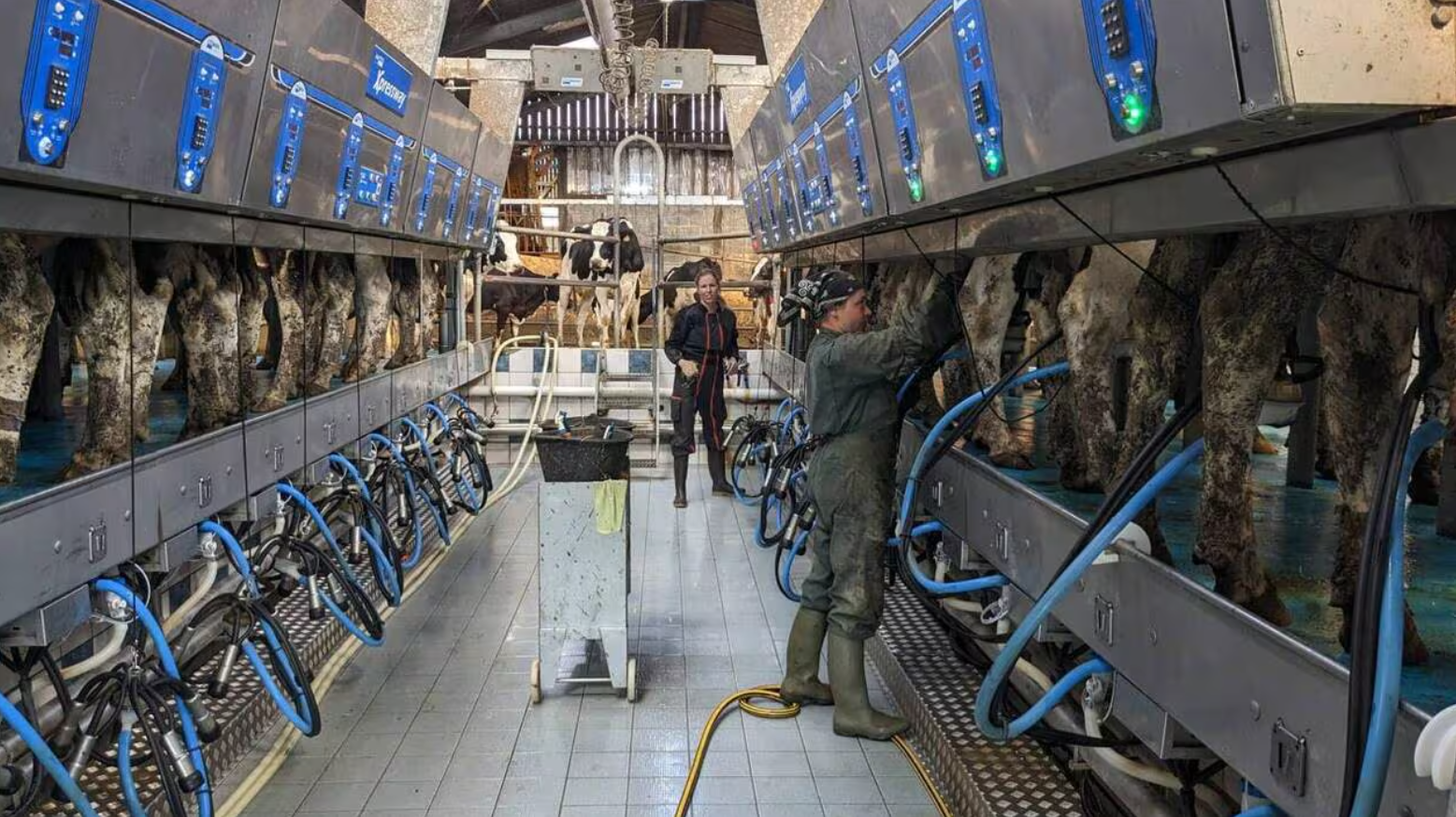
This farm located in Finistère has embarked on a transition of its practices based on an initial carbon assessment and a five-year action plan. In total, the GAEC Breizh Moloko covers 150 hectares and has approximately 120 cows and 80 heifers, mainly Holsteins, the most specialized breed of cattle for dairy production, as well as crossbreds with the Norwegian Red Pie and Montbéliarde breeds. The farm has a classic 2x10 milking parlor, both functional and comfortable for the animals. Its action plan will prevent and store the estimated equivalent of 2,534 tons of CO2.*
Operated according to organic farming principles, 38% of its land consists of grassland (permanent or temporary) and 60% of spring crops.
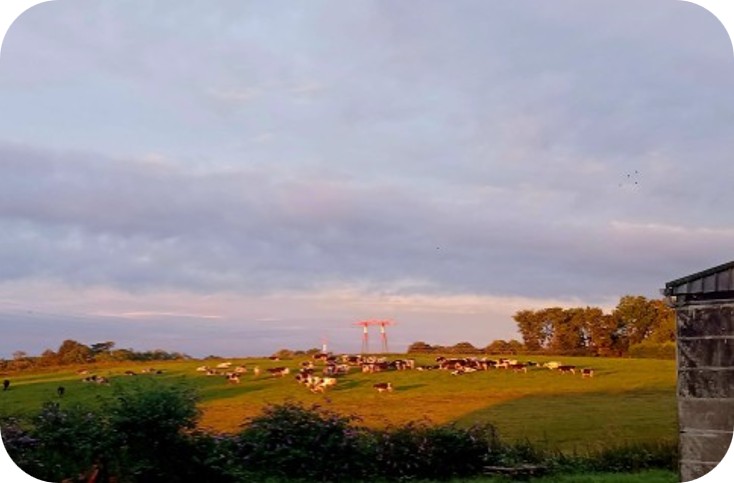
Its dairy herd is fed entirely on grass and grazes alongside 57 hectares of land cultivated with corn, protein crops, oilseeds, and cereals.
The farm has 7,739 meters of hedgerows, with an estimated carbon storage capacity of 36 tons of CO₂ equivalent.
Optimization of crop rotations to maximize the biomass produced each year, and therefore the carbon captured by photosynthesis.
Planting hedges on the farm to promote biodiversity, particularly the presence of pollinators and predators beneficial to agriculture.
Reduction in the use of synthetic mineral fertilizers in favor of organic fertilizers, which promote carbon storage in the soil.
Optimization of the herd's feed ration.
* The final estimate will only be established after verification by an independent auditor and an administrative decision.
 Label Bas Carbone
Examples: reducing the frequency of soil cultivation, minimalist plot preparation, restoring organic matter and preserving soil microfauna.
Examples: diversity and locality of crop species, preservation of habitat for local flora and fauna, presence of beehives for pollination.
Examples: Consideration of wetlands, use of adapted species, drip-connected irrigation tools.
Examples: reduction in the use of chemical mineral fertilizers, phytosanitary products, measurement of crop needs in real time via predictive tools.
GAEC Breizh Moloko
GAEC Breizh Moloko - Exploitation agricole en polyculture-élevage
Read moreImproving emission reduction levers on a farm
In the current context of transition, supporting French cattle farmers means, on the one hand, reducing their greenhouse gas emissions through virtuous practices and, on the other, storing carbon in the soil through the development of meadows and pastures. This support for the development of the French sector also helps avoid imports, which have a significant carbon footprint.
This farm located in Finistère has embarked on a transition of its practices based on an initial carbon assessment and a five-year action plan. In total, the GAEC Breizh Moloko covers 150 hectares and has approximately 120 cows and 80 heifers, mainly Holsteins, the most specialized breed of cattle for dairy production, as well as crossbreds with the Norwegian Red Pie and Montbéliarde breeds. The farm has a classic 2x10 milking parlor, both functional and comfortable for the animals. Its action plan will prevent and store the estimated equivalent of 2,534 tons of CO2.*
Operated according to organic farming principles, 38% of its land consists of grassland (permanent or temporary) and 60% of spring crops.
Its dairy herd is fed entirely on grass and grazes alongside 57 hectares of land cultivated with corn, protein crops, oilseeds, and cereals.
The farm has 7,739 meters of hedgerows, with an estimated carbon storage capacity of 36 tons of CO₂ equivalent.
Optimization of crop rotations to maximize the biomass produced each year, and therefore the carbon captured by photosynthesis.
Planting hedges on the farm to promote biodiversity, particularly the presence of pollinators and predators beneficial to agriculture.
Reduction in the use of synthetic mineral fertilizers in favor of organic fertilizers, which promote carbon storage in the soil.
Optimization of the herd's feed ration.
* The final estimate will only be established after verification by an independent auditor and an administrative decision.