 Label Bas Carbone
Examples: reducing the frequency of soil cultivation, minimalist plot preparation, restoring organic matter and preserving soil microfauna.

Examples: diversity and locality of crop species, preservation of habitat for local flora and fauna, presence of beehives for pollination.

Examples: territorial dynamics, societal demand, diversification of the activity, local sales/processing, working conditions, sharing of good practices.
Creation of 9.43 hectares of forest in Pas-de-Calais
Located in the heart of Pas-de-Calais, this project is situated in the municipality of Wierre-Effroy. The latter extends within a territory marked by a rich agricultural and forestry history. Pas-de-Calais, known for its fertile land and protected natural areas, is a dynamic space where forests play an increasingly important role in promoting the territory. The local terroir, between sea and countryside, benefits from a precious ecological mosaic, with soils conducive to regeneration and carbon sequestration.
Afforestation will take place on agricultural land that is currently underutilised. This afforestation project will create 9.43 hectares of forest, using a diverse mix of species. Planting is scheduled for late 2025/early 2026 and should sequester 2,986 tonnes of CO2eq over 30 years*.
Biodiversity : Seven different species have been selected for this afforestation project: sessile oak, downy oak, American red oak, Norway maple, cherry, hornbeam and poplar. The species chosen have been studied to ensure they are resistant to global warming while being adapted to current conditions. The planting will not impact existing forest edges while expanding adjacent forests.
Soil preservation : The plot will be prepared for planting using strip tillage to limit the impact on soil life and avoid releasing the carbon contained in organic matter.
Socio-economic : A local forestry company will be commissioned to carry out the afforestation.
* The final value of the estimate will only be established after verification by an independent auditor and an administrative verification decision.
 Label Bas Carbone
Examples: reducing the frequency of soil cultivation, minimalist plot preparation, restoring organic matter and preserving soil microfauna.
Examples: diversity and locality of crop species, preservation of habitat for local flora and fauna, presence of beehives for pollination.
Examples: territorial dynamics, societal demand, diversification of the activity, local sales/processing, working conditions, sharing of good practices.
Creation of 9.43 hectares of forest in Pas-de-Calais
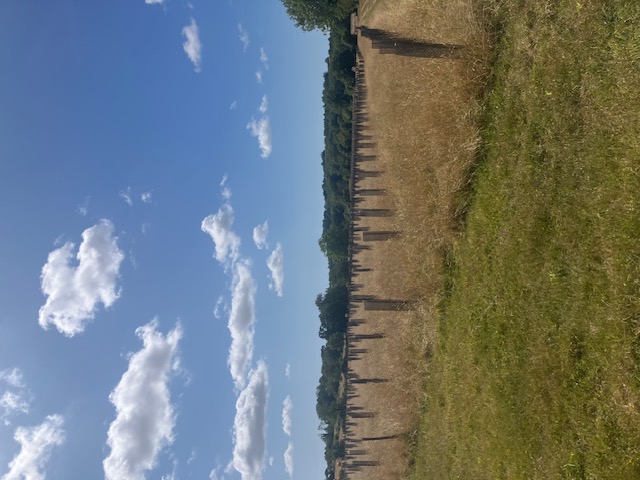
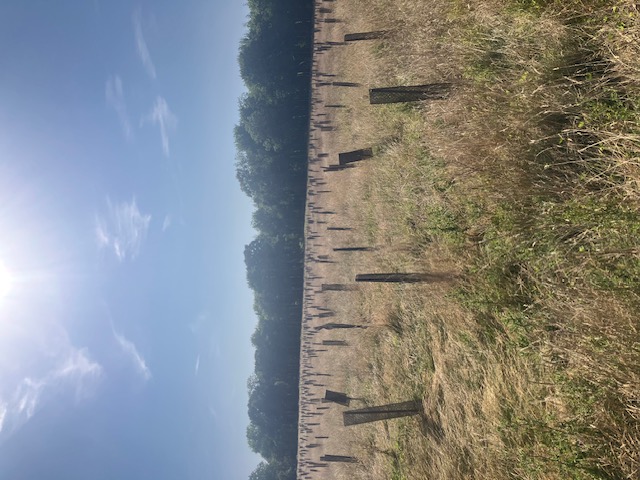
Located in the heart of Pas-de-Calais, this project is situated in the municipality of Wierre-Effroy. The latter extends within a territory marked by a rich agricultural and forestry history. Pas-de-Calais, known for its fertile land and protected natural areas, is a dynamic space where forests play an increasingly important role in promoting the territory. The local terroir, between sea and countryside, benefits from a precious ecological mosaic, with soils conducive to regeneration and carbon sequestration.
Afforestation will take place on agricultural land that is currently underutilised. This afforestation project will create 9.43 hectares of forest, using a diverse mix of species. Planting is scheduled for late 2025/early 2026 and should sequester 2,986 tonnes of CO2eq over 30 years*.
Biodiversity : Seven different species have been selected for this afforestation project: sessile oak, downy oak, American red oak, Norway maple, cherry, hornbeam and poplar. The species chosen have been studied to ensure they are resistant to global warming while being adapted to current conditions. The planting will not impact existing forest edges while expanding adjacent forests.
Soil preservation : The plot will be prepared for planting using strip tillage to limit the impact on soil life and avoid releasing the carbon contained in organic matter.
Socio-economic : A local forestry company will be commissioned to carry out the afforestation.
* The final value of the estimate will only be established after verification by an independent auditor and an administrative verification decision.