
 Label Bas Carbone
Examples: diversity and locality of crop species, preservation of habitat for local flora and fauna, presence of beehives for pollination.

Examples: territorial dynamics, societal demand, diversification of the activity, local sales/processing, working conditions, sharing of good practices.

Use of effective tropospheric ozone-removing species or scientific experiments.

Pépinières Naudet is one of the main French producers of young forest plants, which are planted all over France.
Read moreCreation of 2.41 hectares of forest in the municipality of Maupas

Located in the Gers department, the village of Maupas lies in an emblematic region of southwest France, renowned for its rolling landscapes, agricultural wealth, and art of living. Gers, a land of traditions, benefits from a temperate oceanic climate, favorable to biodiversity and diversified agriculture. This rural territory, marked by the history of Gascony, is characterized by vast natural spaces and environmentally friendly farming practices. The local economy is mainly based on viticulture, livestock farming, cereal production, and the enhancement of forest resources. Maupas, a small village with authentic charm, is surrounded by meadows and woodlands, offering an ideal setting for sustainable development projects and the promotion of natural spaces.
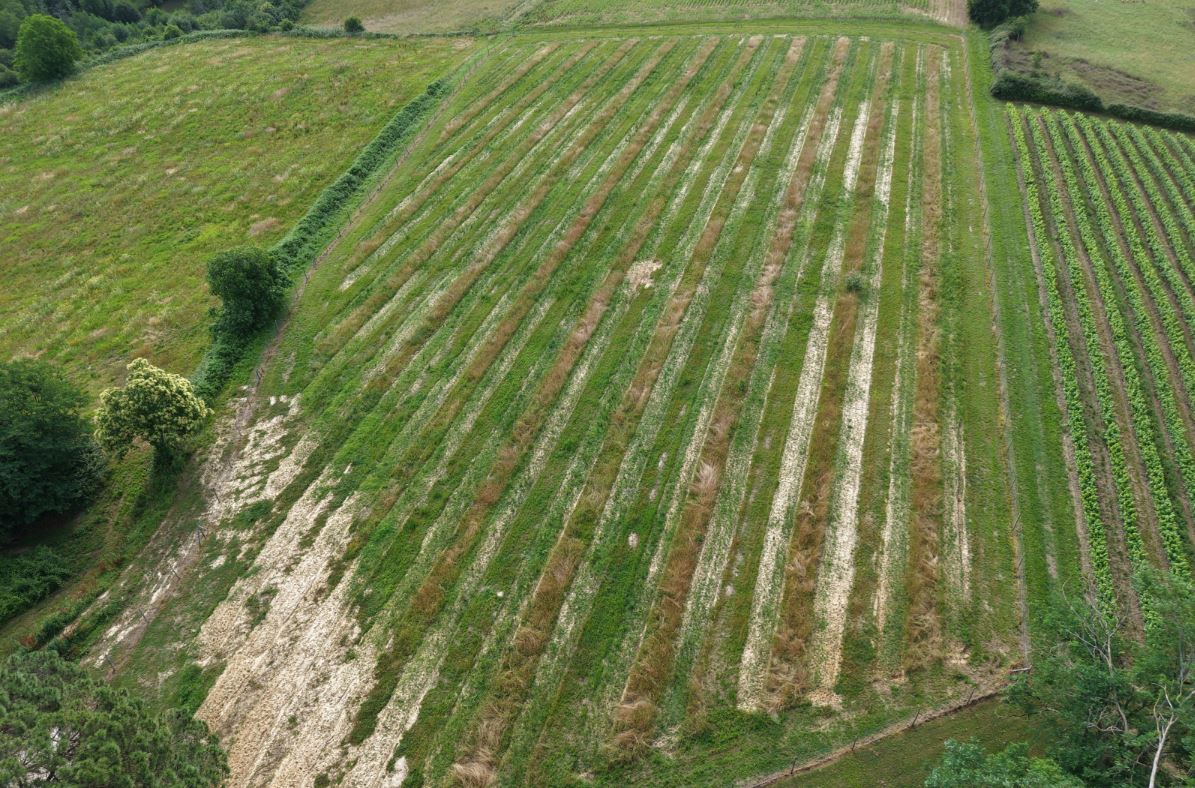
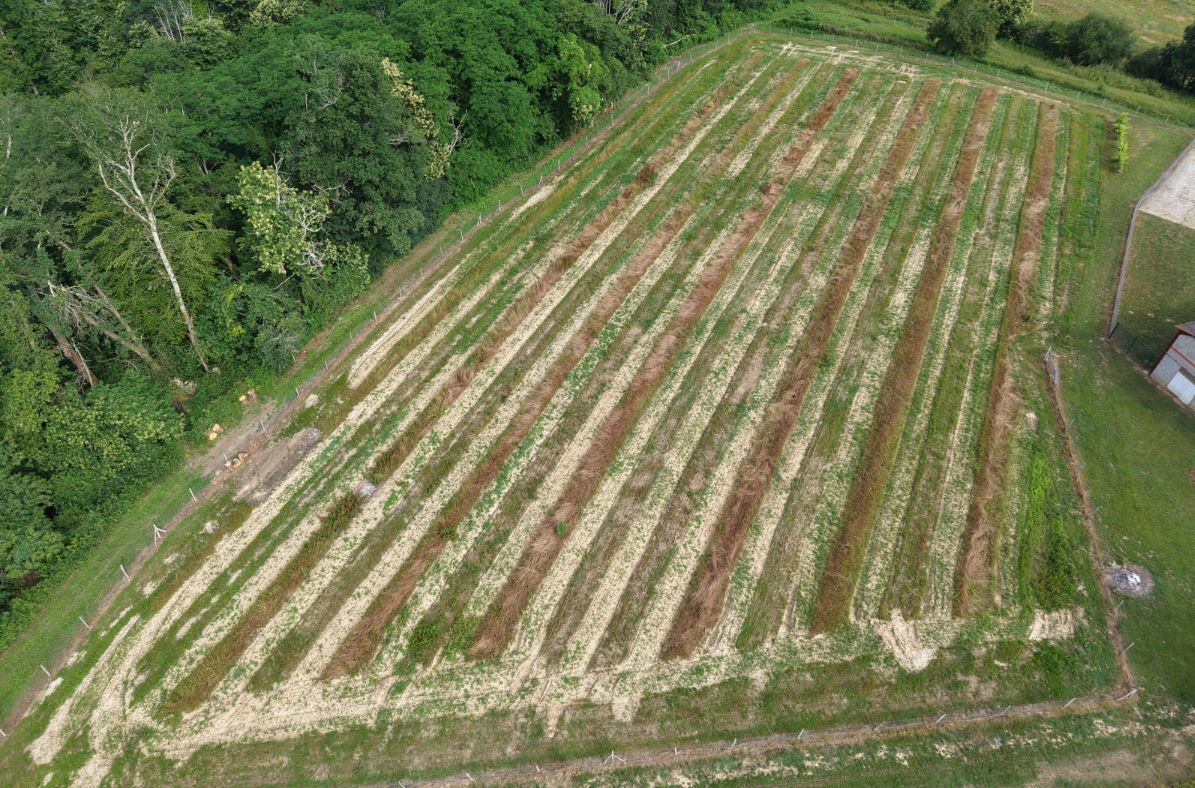
It involves creating 2.41 hectares of forest on the site of former vineyards that have been grubbed up, using a mix of pubescent oak, Taeda pine and black locust. Planting is scheduled for winter 2025/2026 and will sequester 850 tonnes of CO2eq over 30 years*.
Socio-economic: Local forestry companies will be commissioned for this afforestation project. In addition, PEFC certification of the afforestation is planned to guarantee sustainable management.
Biodiversity: The 3 chosen species were studied to withstand global warming while being adapted to current soil and climate conditions.
Climate change: Most of the species chosen help combat pollution linked to tropospheric ozone (at low altitude), which is harmful to plant health.
* The final value of the estimate will only be established after verification by an independent auditor and an administrative verification decision.
 Label Bas Carbone
Examples: diversity and locality of crop species, preservation of habitat for local flora and fauna, presence of beehives for pollination.
Examples: territorial dynamics, societal demand, diversification of the activity, local sales/processing, working conditions, sharing of good practices.
Use of effective tropospheric ozone-removing species or scientific experiments.
Pépinières Naudet is one of the main French producers of young forest plants, which are planted all over France.
Read moreCreation of 2.41 hectares of forest in the municipality of Maupas
Located in the Gers department, the village of Maupas lies in an emblematic region of southwest France, renowned for its rolling landscapes, agricultural wealth, and art of living. Gers, a land of traditions, benefits from a temperate oceanic climate, favorable to biodiversity and diversified agriculture. This rural territory, marked by the history of Gascony, is characterized by vast natural spaces and environmentally friendly farming practices. The local economy is mainly based on viticulture, livestock farming, cereal production, and the enhancement of forest resources. Maupas, a small village with authentic charm, is surrounded by meadows and woodlands, offering an ideal setting for sustainable development projects and the promotion of natural spaces.
It involves creating 2.41 hectares of forest on the site of former vineyards that have been grubbed up, using a mix of pubescent oak, Taeda pine and black locust. Planting is scheduled for winter 2025/2026 and will sequester 850 tonnes of CO2eq over 30 years*.
Socio-economic: Local forestry companies will be commissioned for this afforestation project. In addition, PEFC certification of the afforestation is planned to guarantee sustainable management.
Biodiversity: The 3 chosen species were studied to withstand global warming while being adapted to current soil and climate conditions.
Climate change: Most of the species chosen help combat pollution linked to tropospheric ozone (at low altitude), which is harmful to plant health.
* The final value of the estimate will only be established after verification by an independent auditor and an administrative verification decision.