
 Label Bas Carbone
Examples: diversity and locality of crop species, preservation of habitat for local flora and fauna, presence of beehives for pollination.

Examples: territorial dynamics, societal demand, diversification of the activity, local sales/processing, working conditions, sharing of good practices.

Pépinières Naudet is one of the main French producers of young forest plants, which are planted all over France.
Read moreCreation of 5.2 hectares of forest in the Sarthe region
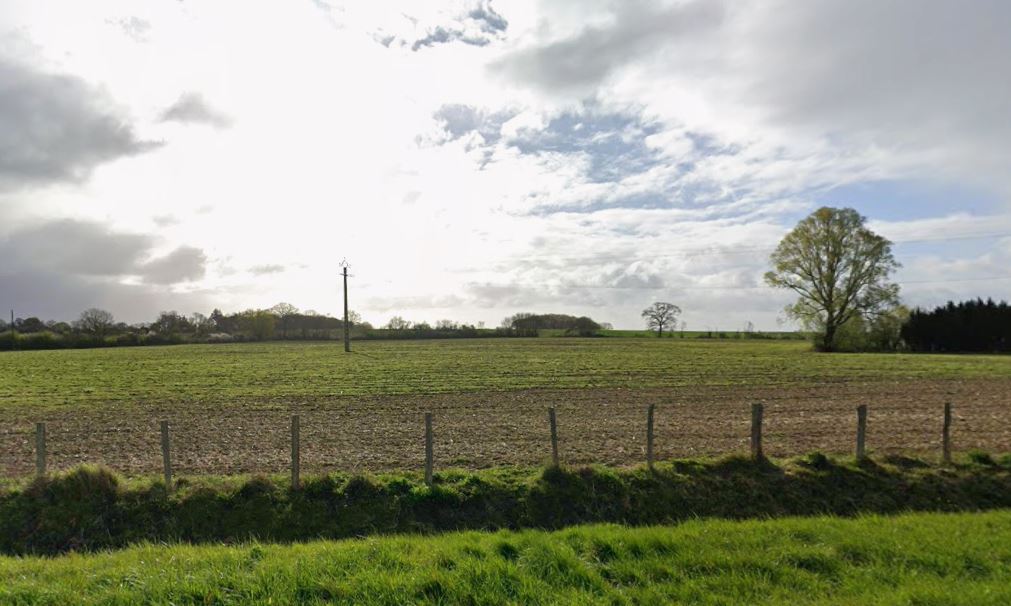
The project is located in the rural area of the municipality of Maresché, in the north of the Sarthe department, in the Pays de la Loire region. This area is characterised by a mosaic of agricultural and hedgerow landscapes, historically shaped by farming activities. Like many rural municipalities, Maresché is now facing challenges related to ecological transition, soil preservation and diversification of the uses of less productive agricultural land. The afforestation project addresses these challenges by helping to increase local forest cover, which is still limited at the municipal level, while also contributing to regional objectives of combating climate change, preserving biodiversity and developing a sustainable forestry economy.
The construction of the A28 motorway—completed in 2005 and running north-to-south through the municipality—has been a major factor in shaping the local landscape. The plot in question was originally purchased by the concession holder, Cofiroute, in anticipation of this large-scale infrastructure project; the unused portion was subsequently resold for alternative uses.
It was the current owner’s father who later acquired the land as part of a larger holding comprising a woodland area of just under twenty hectares and approximately 15 hectares of pasture. At the time, the woodland was regenerating following several harvests carried out by the previous owner (prior to Cofiroute’s tenure), while the pastures were leased to a livestock farmer for grazing cattle. When his son took over the plots, he developed a keen interest in forestry and began considering afforesting the agricultural section to extend the existing woodland.
In the meantime, the livestock farmer retired in the late 2010s, and the plots were made available free of charge to a young farmer for cultivation while plans for the desired change in land use were finalized. This vision materialized a few years ago with an initial afforestation phase covering approximately 9 hectares (outside the *Label Bas Carbone* framework) on the area directly adjacent to the existing woods. He subsequently sought to proceed with a new planting project that would extend the previous one, having learned about the *Label Bas Carbone* (Low-Carbon Label) scheme.
This is the project described here. This afforestation project will create 5.2 hectares of forest, using a diverse mix of tree species. Planting is scheduled for winter 2026/2027 and will sequester 1,239 tonnes of CO2eq over 30 years*.
Biodiversity: Eight different species have been selected for this afforestation project: downy oak, field maple, chestnut, wild service tree, service tree, small-leaved lime, Atlas cedar and Corsican laricio pine. The species chosen have been studied to ensure they can withstand global warming while being adapted to current conditions. The trees will be planted in an intimate mixture (individual trees of different species interspersed), creating new linear broadleaf borders along the edges of the plots.
Socio-economic: A local forestry company will be responsible for the afforestation, and PEFC certification of the afforestation is planned.
* The final value of the estimate will only be established after verification by an independent auditor and an administrative verification decision.
 Label Bas Carbone
Examples: diversity and locality of crop species, preservation of habitat for local flora and fauna, presence of beehives for pollination.
Examples: territorial dynamics, societal demand, diversification of the activity, local sales/processing, working conditions, sharing of good practices.
Pépinières Naudet is one of the main French producers of young forest plants, which are planted all over France.
Read moreCreation of 5.2 hectares of forest in the Sarthe region
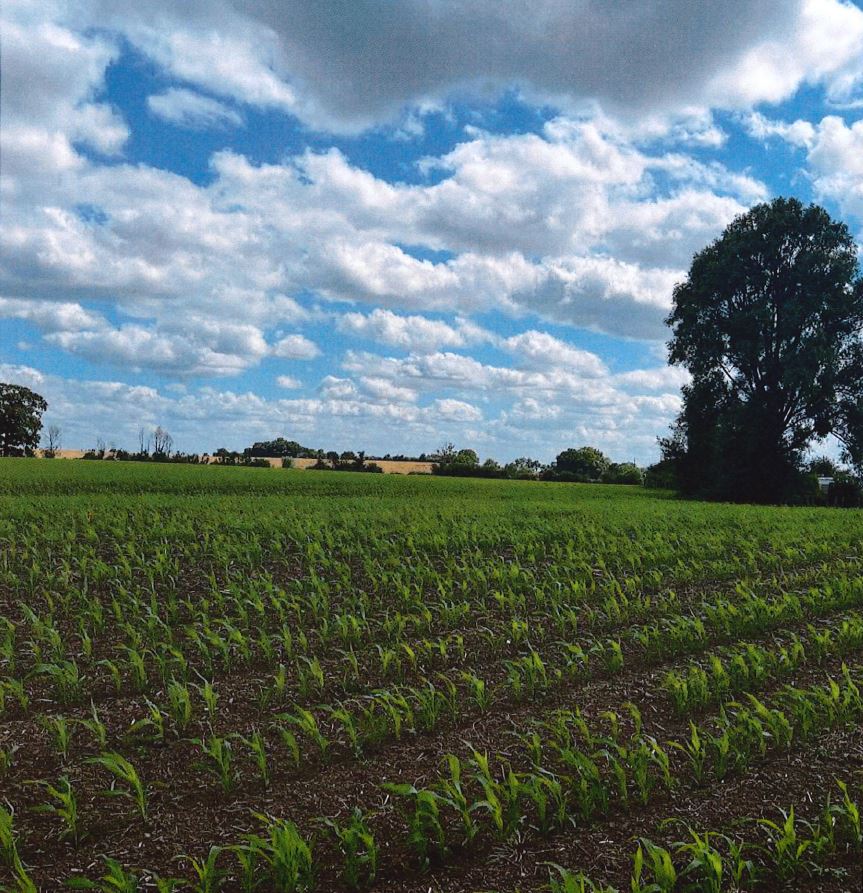
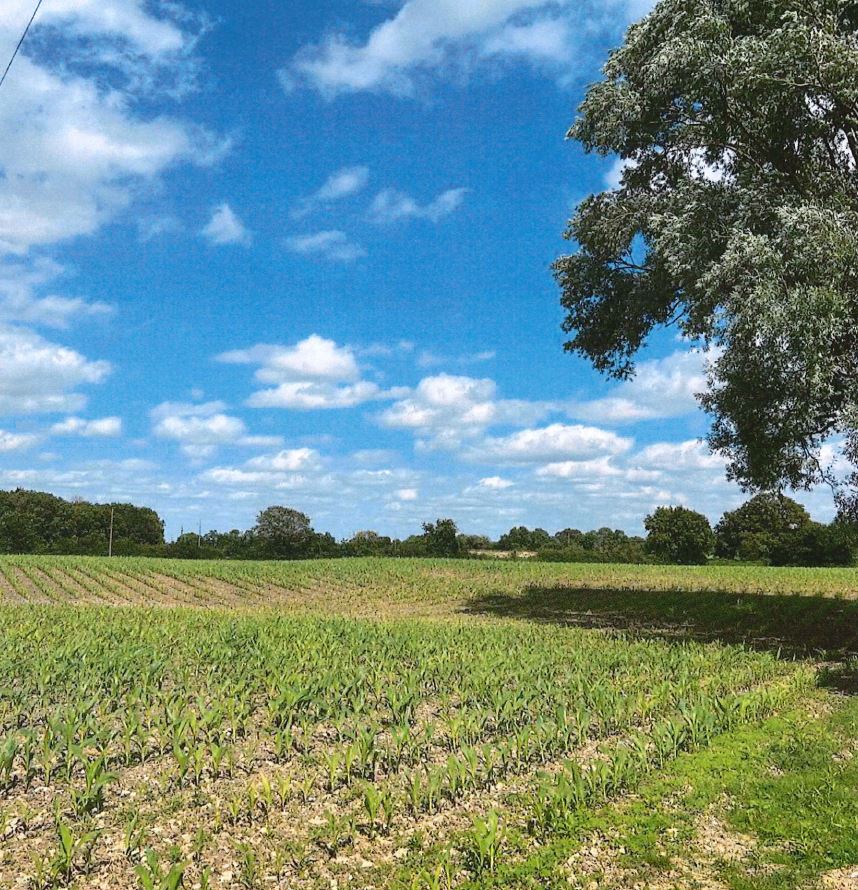
The project is located in the rural area of the municipality of Maresché, in the north of the Sarthe department, in the Pays de la Loire region. This area is characterised by a mosaic of agricultural and hedgerow landscapes, historically shaped by farming activities. Like many rural municipalities, Maresché is now facing challenges related to ecological transition, soil preservation and diversification of the uses of less productive agricultural land. The afforestation project addresses these challenges by helping to increase local forest cover, which is still limited at the municipal level, while also contributing to regional objectives of combating climate change, preserving biodiversity and developing a sustainable forestry economy.
The construction of the A28 motorway—completed in 2005 and running north-to-south through the municipality—has been a major factor in shaping the local landscape. The plot in question was originally purchased by the concession holder, Cofiroute, in anticipation of this large-scale infrastructure project; the unused portion was subsequently resold for alternative uses.
It was the current owner’s father who later acquired the land as part of a larger holding comprising a woodland area of just under twenty hectares and approximately 15 hectares of pasture. At the time, the woodland was regenerating following several harvests carried out by the previous owner (prior to Cofiroute’s tenure), while the pastures were leased to a livestock farmer for grazing cattle. When his son took over the plots, he developed a keen interest in forestry and began considering afforesting the agricultural section to extend the existing woodland.
In the meantime, the livestock farmer retired in the late 2010s, and the plots were made available free of charge to a young farmer for cultivation while plans for the desired change in land use were finalized. This vision materialized a few years ago with an initial afforestation phase covering approximately 9 hectares (outside the *Label Bas Carbone* framework) on the area directly adjacent to the existing woods. He subsequently sought to proceed with a new planting project that would extend the previous one, having learned about the *Label Bas Carbone* (Low-Carbon Label) scheme.
This is the project described here. This afforestation project will create 5.2 hectares of forest, using a diverse mix of tree species. Planting is scheduled for winter 2026/2027 and will sequester 1,239 tonnes of CO2eq over 30 years*.
Biodiversity: Eight different species have been selected for this afforestation project: downy oak, field maple, chestnut, wild service tree, service tree, small-leaved lime, Atlas cedar and Corsican laricio pine. The species chosen have been studied to ensure they can withstand global warming while being adapted to current conditions. The trees will be planted in an intimate mixture (individual trees of different species interspersed), creating new linear broadleaf borders along the edges of the plots.
Socio-economic: A local forestry company will be responsible for the afforestation, and PEFC certification of the afforestation is planned.
* The final value of the estimate will only be established after verification by an independent auditor and an administrative verification decision.