 Rainbow (ex Riverse)
Examples: expansion of forests close to urban and peri-urban areas, use of wood materials to naturally regulate humidity.

Examples: territorial dynamics, societal demand, diversification of the activity, local sales/processing, working conditions, sharing of good practices.
Specialist in blown cellulose wadding for the insulation of attics and floors in individual houses mainly. This product is eco-designed from recycled products.
Read moreIgloo France Cellulose offers an ecological and ultra-efficient fiber insulation process, produced in Pays de la Loire
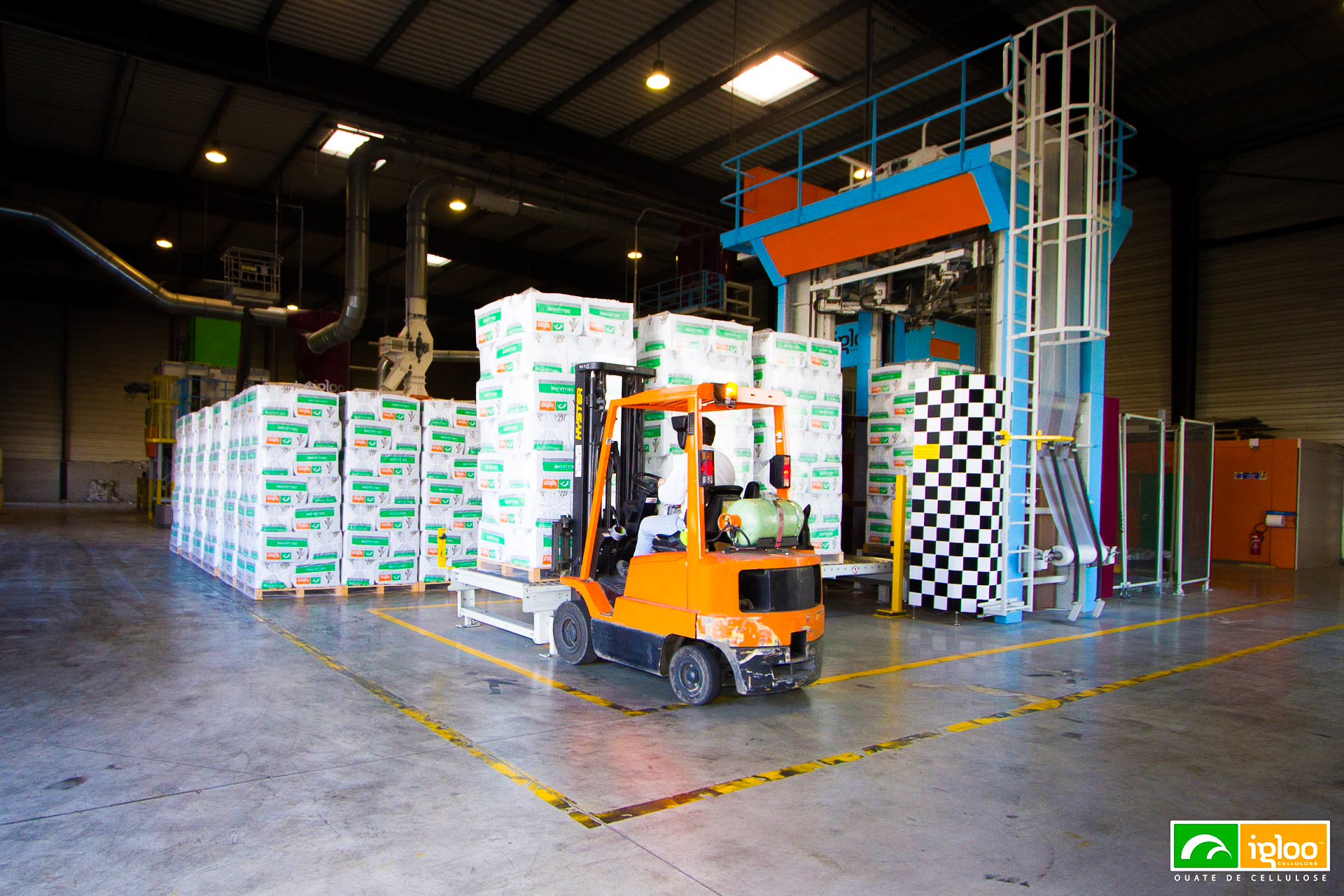
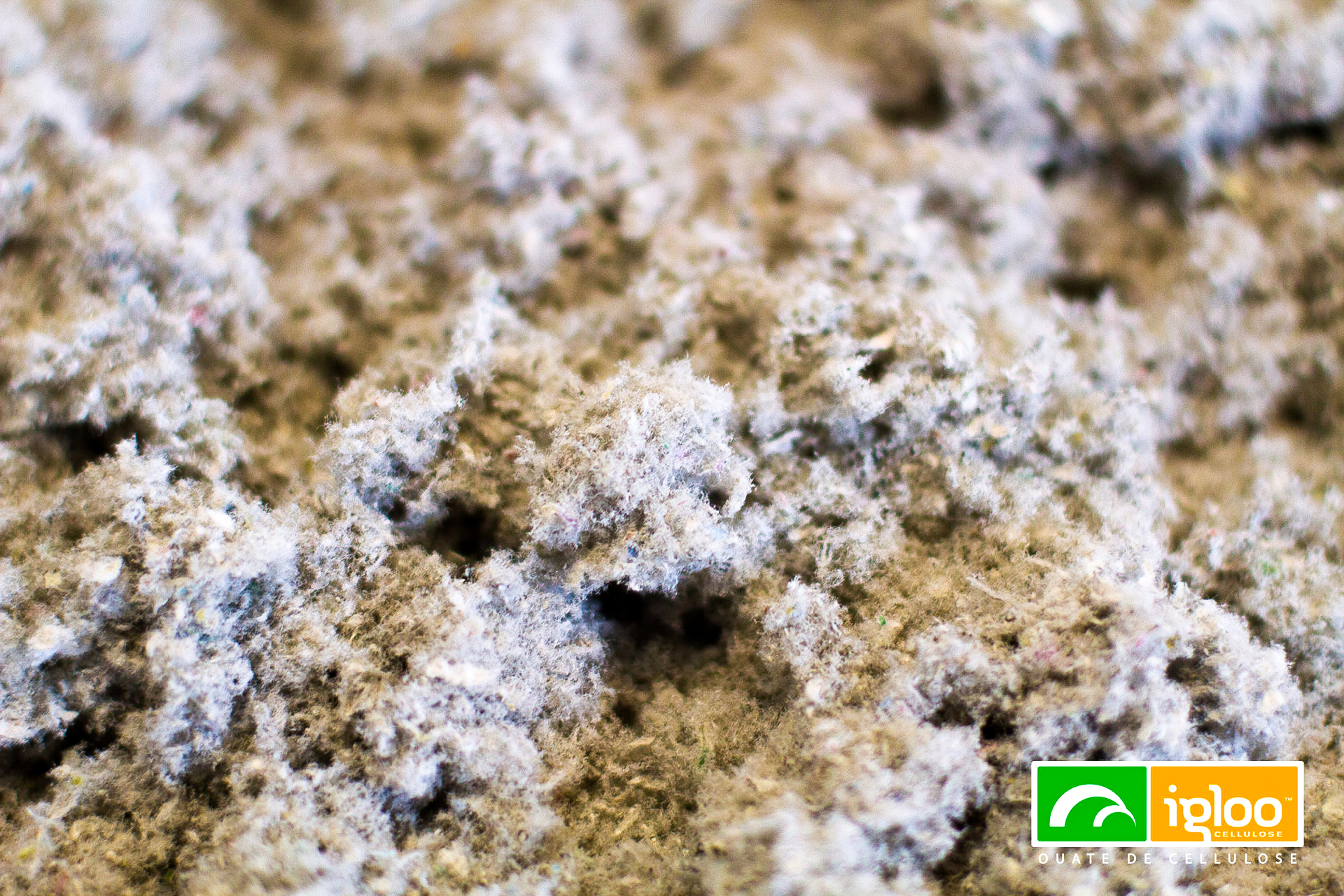
Born and developed in Canada more than 40 years ago, Igloo France Cellulose offers biosourced cellulose fiber insulation (CFI) with a negative carbon balance, made from 90% recycled paper. As they grow, trees capture CO2. Once mature, they are slaughtered and used for various purposes, such as printing newspapers. When these are thrown away, rather than letting them burn or decompose and let the CO2 be released into the atmosphere, Igloo seeks to reuse this carbon-storing material. The paper is recycled and becomes the main ingredient of Igloo's cellulose fiber insulation. Igloo's cellulose fiber insulation is made in France, in the heart of the Vendée, from paper collected in local recycling channels and in community collections (schools, associations, etc.). The insulation is suitable for both construction and renovation projects and has been used for nearly 39,000 homes over the past 18 months. This storage will last at least 50 years inside the building elements.
Igloo France Cellulose implements all available means in favor of sustainable development and energy transition. As part of its ecological commitment, it contributes to the recovery of waste: the paper is collected locally and recycled into cellulosic insulation. This not only reduces the volume of waste, but also ensures long-term CO2 storage and raises awareness of the circular economy. One tonne of Igloo's insulating cellulose removes 1.04 tonnes of CO2eq from the atmosphere for long-term storage. No combustion is necessary to manufacture cellulose wadding and Igloo strives to minimize the waste (eg dust) generated throughout the manufacturing process (less than 1%). Finally, thanks to its excellent thermal performance, cellulose fiber insulation allows significant energy savings to be made throughout the year, an undeniable advantage for individuals and the environment.
 Rainbow (ex Riverse)
Examples: expansion of forests close to urban and peri-urban areas, use of wood materials to naturally regulate humidity.
Examples: territorial dynamics, societal demand, diversification of the activity, local sales/processing, working conditions, sharing of good practices.
Specialist in blown cellulose wadding for the insulation of attics and floors in individual houses mainly. This product is eco-designed from recycled products.
Read moreIgloo France Cellulose offers an ecological and ultra-efficient fiber insulation process, produced in Pays de la Loire
Born and developed in Canada more than 40 years ago, Igloo France Cellulose offers biosourced cellulose fiber insulation (CFI) with a negative carbon balance, made from 90% recycled paper. As they grow, trees capture CO2. Once mature, they are slaughtered and used for various purposes, such as printing newspapers. When these are thrown away, rather than letting them burn or decompose and let the CO2 be released into the atmosphere, Igloo seeks to reuse this carbon-storing material. The paper is recycled and becomes the main ingredient of Igloo's cellulose fiber insulation. Igloo's cellulose fiber insulation is made in France, in the heart of the Vendée, from paper collected in local recycling channels and in community collections (schools, associations, etc.). The insulation is suitable for both construction and renovation projects and has been used for nearly 39,000 homes over the past 18 months. This storage will last at least 50 years inside the building elements.
Igloo France Cellulose implements all available means in favor of sustainable development and energy transition. As part of its ecological commitment, it contributes to the recovery of waste: the paper is collected locally and recycled into cellulosic insulation. This not only reduces the volume of waste, but also ensures long-term CO2 storage and raises awareness of the circular economy. One tonne of Igloo's insulating cellulose removes 1.04 tonnes of CO2eq from the atmosphere for long-term storage. No combustion is necessary to manufacture cellulose wadding and Igloo strives to minimize the waste (eg dust) generated throughout the manufacturing process (less than 1%). Finally, thanks to its excellent thermal performance, cellulose fiber insulation allows significant energy savings to be made throughout the year, an undeniable advantage for individuals and the environment.