
 Label Bas Carbone
Examples: reducing the frequency of soil cultivation, minimalist plot preparation, restoring organic matter and preserving soil microfauna.

Examples: diversity and locality of crop species, preservation of habitat for local flora and fauna, presence of beehives for pollination.

Examples: territorial dynamics, societal demand, diversification of the activity, local sales/processing, working conditions, sharing of good practices.

Examples: Consideration of wetlands, use of adapted species, drip-connected irrigation tools.

Pépinières Naudet is one of the main French producers of young forest plants, which are planted all over France.
Read moreNew afforestation in the municipality of La Boissière-des-Landes
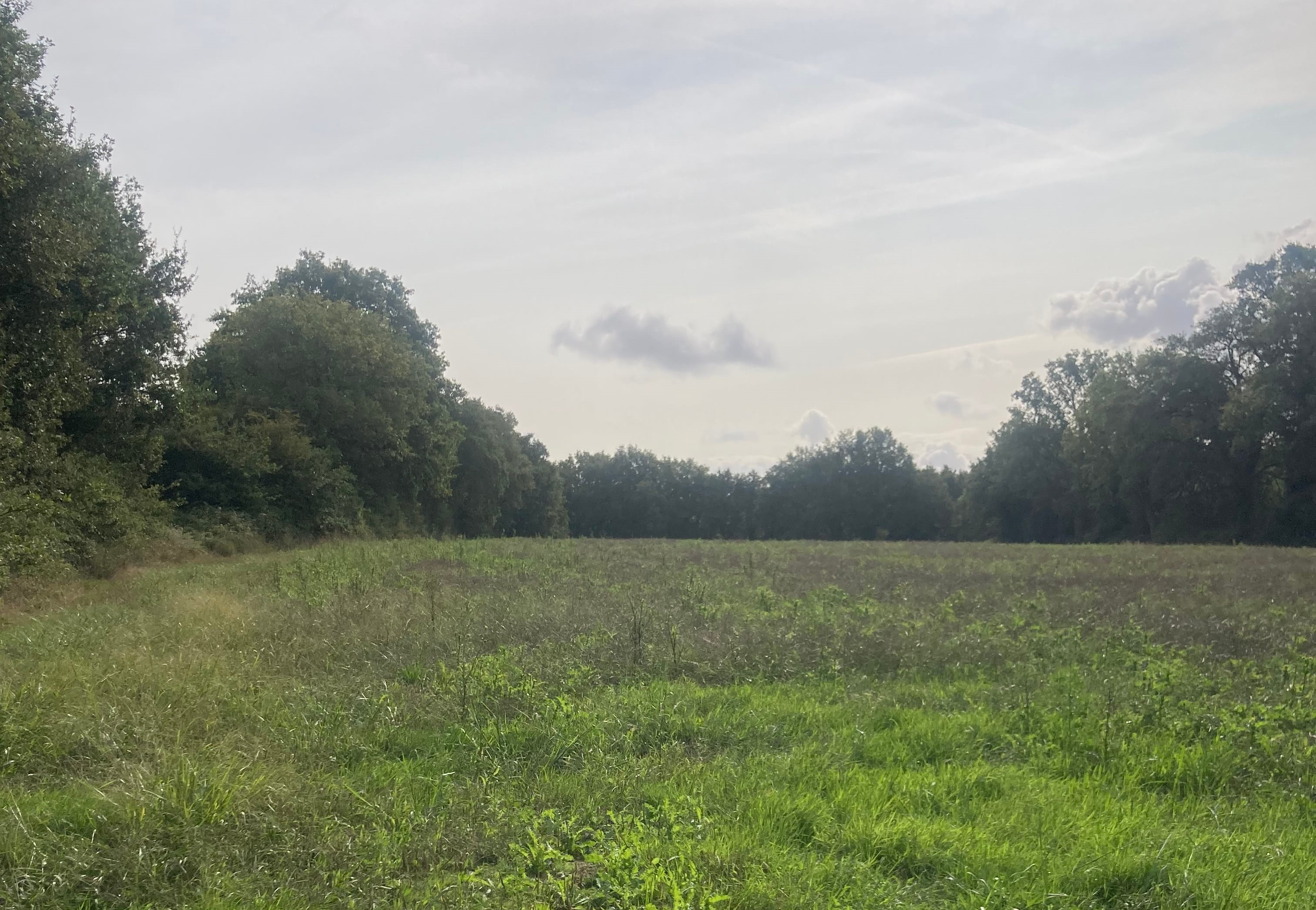
This project is located in the municipality of La Boissière-des-Landes in southern Vendée, in a rural area characterised by a mosaic of agricultural and forest landscapes typical of the Vendée bocage. This sector, subject to agricultural land pressure and fragmentation of natural environments, presents a major challenge in terms of forest restoration and ecological continuity. The project fits into this context by enhancing plots that are currently unproductive, in direct continuity with an existing forest, thereby strengthening the landscape and ecological coherence of the area.
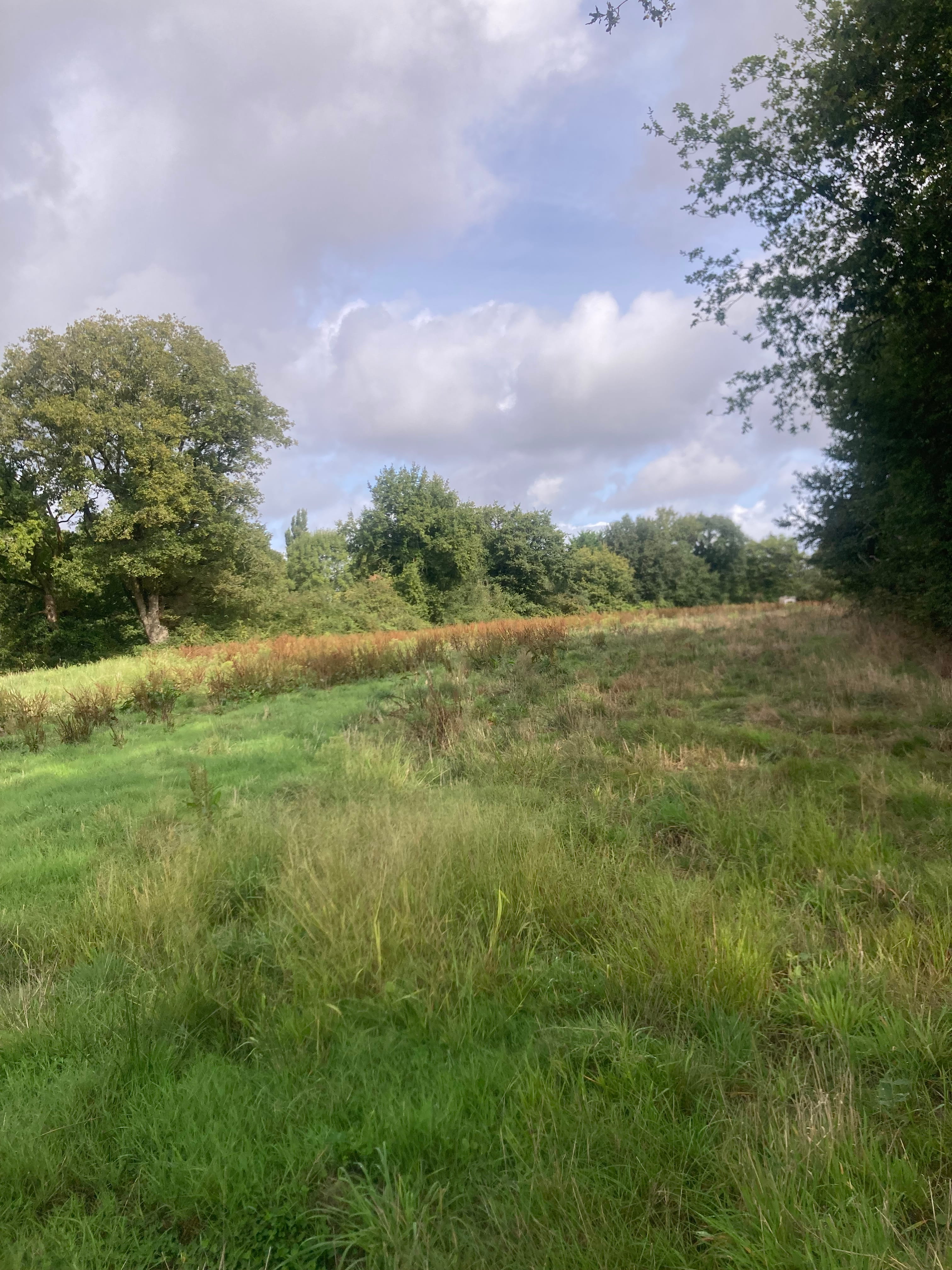
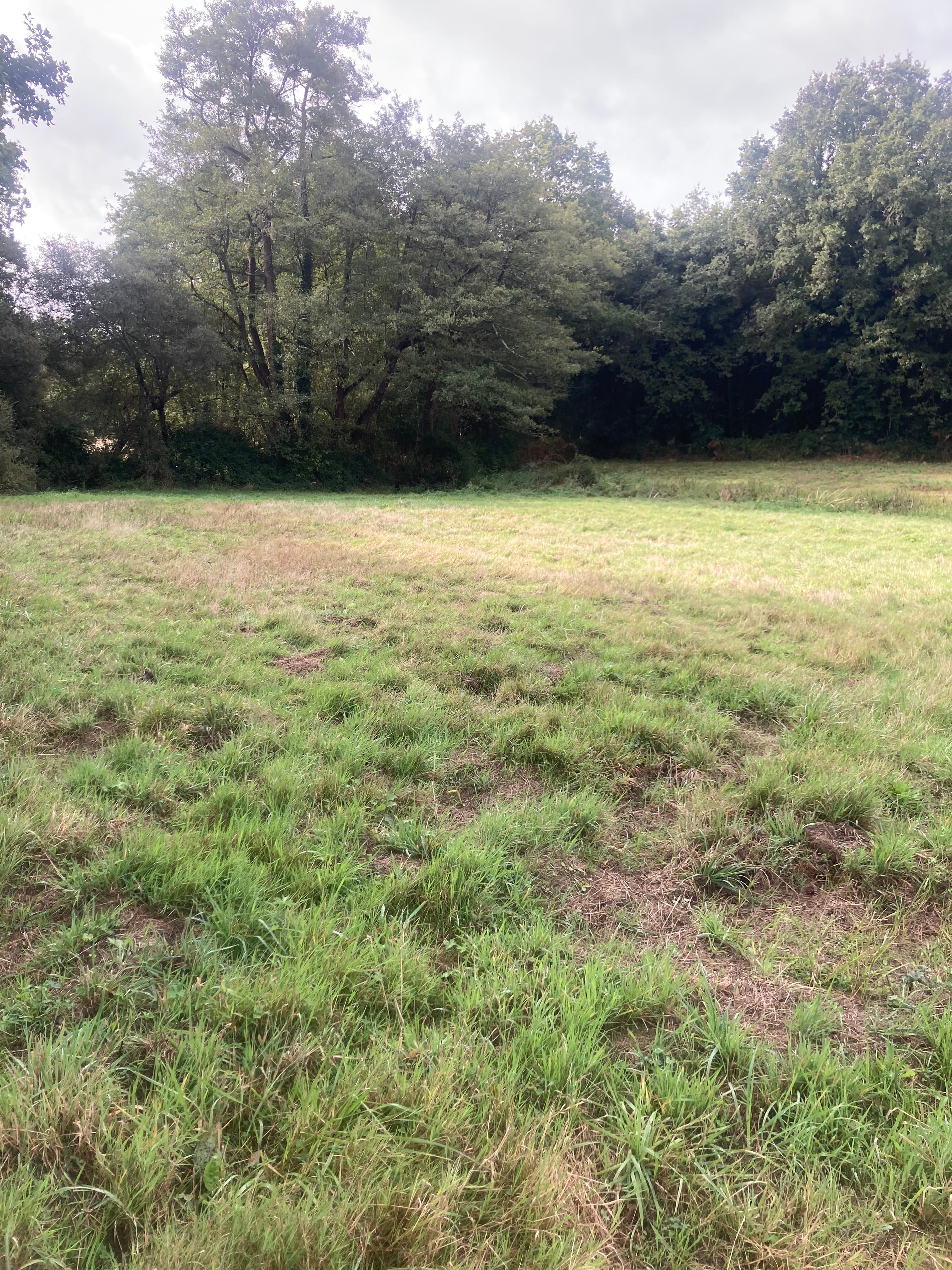
The afforestation will take place on plots that are currently underutilised, partly adjacent to an existing forest. This afforestation project will create 3.87 hectares of forest, using a diverse mix of species. Planting is scheduled for early 2026 and will sequester 1,433 tonnes of CO2eq over 30 years*.
Biodiversity: Four different species were selected for this afforestation project: sessile oak, Atlas cedar, maritime pine and Koster poplar. The species chosen were studied to ensure they could withstand global warming while being adapted to current conditions. In addition, existing forest edges and tree lines will be preserved.
Socio-economic: PEFC certification of the afforestation is planned.
Soil preservation: The plot will be prepared for planting with strip tillage to limit the impact on soil life and avoid releasing carbon contained in organic matter.
Water preservation: A stream partially borders the future plantation to the south. No conifers will be planted to the south to avoid altering its characteristics. In addition, the afforestation will help filter rainwater and prevent soil erosion.
* The final value of the estimate will only be established after verification by an independent auditor and an administrative verification decision.
 Label Bas Carbone
Examples: reducing the frequency of soil cultivation, minimalist plot preparation, restoring organic matter and preserving soil microfauna.
Examples: diversity and locality of crop species, preservation of habitat for local flora and fauna, presence of beehives for pollination.
Examples: territorial dynamics, societal demand, diversification of the activity, local sales/processing, working conditions, sharing of good practices.
Examples: Consideration of wetlands, use of adapted species, drip-connected irrigation tools.
Pépinières Naudet is one of the main French producers of young forest plants, which are planted all over France.
Read moreNew afforestation in the municipality of La Boissière-des-Landes
This project is located in the municipality of La Boissière-des-Landes in southern Vendée, in a rural area characterised by a mosaic of agricultural and forest landscapes typical of the Vendée bocage. This sector, subject to agricultural land pressure and fragmentation of natural environments, presents a major challenge in terms of forest restoration and ecological continuity. The project fits into this context by enhancing plots that are currently unproductive, in direct continuity with an existing forest, thereby strengthening the landscape and ecological coherence of the area.
The afforestation will take place on plots that are currently underutilised, partly adjacent to an existing forest. This afforestation project will create 3.87 hectares of forest, using a diverse mix of species. Planting is scheduled for early 2026 and will sequester 1,433 tonnes of CO2eq over 30 years*.
Biodiversity: Four different species were selected for this afforestation project: sessile oak, Atlas cedar, maritime pine and Koster poplar. The species chosen were studied to ensure they could withstand global warming while being adapted to current conditions. In addition, existing forest edges and tree lines will be preserved.
Socio-economic: PEFC certification of the afforestation is planned.
Soil preservation: The plot will be prepared for planting with strip tillage to limit the impact on soil life and avoid releasing carbon contained in organic matter.
Water preservation: A stream partially borders the future plantation to the south. No conifers will be planted to the south to avoid altering its characteristics. In addition, the afforestation will help filter rainwater and prevent soil erosion.
* The final value of the estimate will only be established after verification by an independent auditor and an administrative verification decision.