 Label Bas Carbone
Examples: expansion of forests close to urban and peri-urban areas, use of wood materials to naturally regulate humidity.

Examples: reducing the frequency of soil cultivation, minimalist plot preparation, restoring organic matter and preserving soil microfauna.

Examples: diversity and locality of crop species, preservation of habitat for local flora and fauna, presence of beehives for pollination.

Examples: territorial dynamics, societal demand, diversification of the activity, local sales/processing, working conditions, sharing of good practices.

Examples: Consideration of wetlands, use of adapted species, drip-connected irrigation tools.
New afforestation in the municipality of Reclinghem
Located in the Hauts-de-France region, the afforestation project is being carried out in the municipality of Reclinghem, in the Pas-de-Calais department. This predominantly rural area is characterised by a mosaic of agricultural landscapes, meadows and scattered forests, which play an essential role in the local ecological balance.
The region's temperate oceanic climate, marked by regular rainfall and moderate temperatures, offers favourable conditions for forest development, while requiring particular attention to be paid to the choice of species in view of future climate change. The soils in the area, historically dedicated to agriculture, offer significant potential for conversion to forestry, particularly for plots that are currently difficult to farm or have been left fallow.
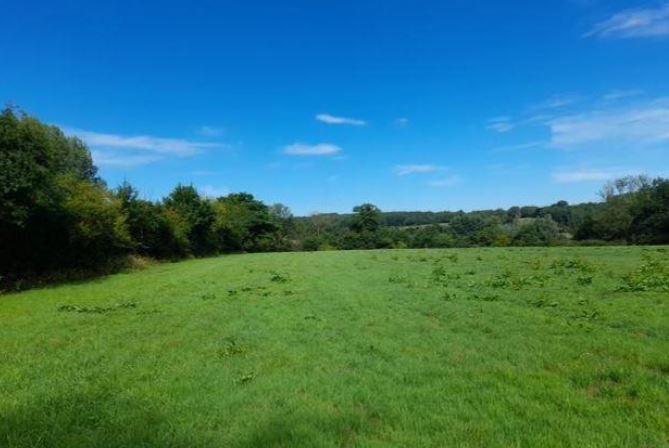
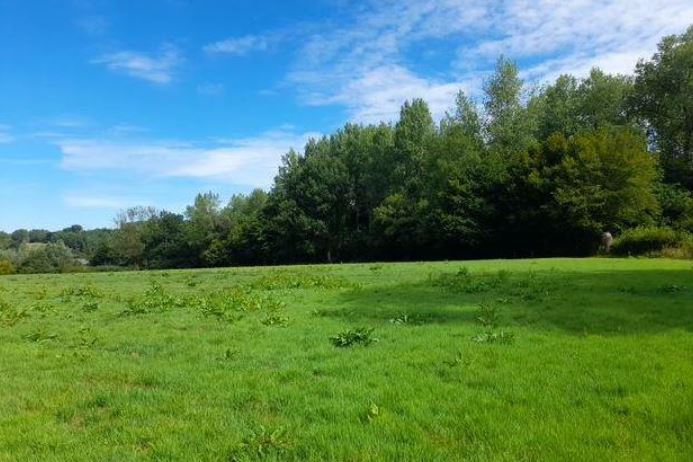
The afforestation will take place on a difficult-to-access agricultural plot that is no longer in use. This afforestation project will create 1.6 hectares of forest, using a mix of I-214 poplar and black alder. Planting is scheduled for early 2026 and is expected to sequester 539 tonnes of CO2eq over 30 years*.
Biodiversity: The species chosen have been studied to withstand global warming while being adapted to current soil and climate conditions.
Socio-economic: A local forestry company will be commissioned to carry out the afforestation.
Soil preservation: Planting will be carried out using prepared planting holes to limit the impact on soil life and avoid releasing the carbon contained in organic matter.
Air filtration: the project is located in the Pays de Saint-Omer urban community and contributes to improving air quality in this urban area.
Preservation of water resources: a strip of black alder, perfectly adapted to wetlands, will be planted near a stream running alongside the plot.
* The final value of the estimate will only be established after verification by an independent auditor and an administrative verification decision.
 Label Bas Carbone
Examples: expansion of forests close to urban and peri-urban areas, use of wood materials to naturally regulate humidity.
Examples: reducing the frequency of soil cultivation, minimalist plot preparation, restoring organic matter and preserving soil microfauna.
Examples: diversity and locality of crop species, preservation of habitat for local flora and fauna, presence of beehives for pollination.
Examples: territorial dynamics, societal demand, diversification of the activity, local sales/processing, working conditions, sharing of good practices.
Examples: Consideration of wetlands, use of adapted species, drip-connected irrigation tools.
New afforestation in the municipality of Reclinghem
Located in the Hauts-de-France region, the afforestation project is being carried out in the municipality of Reclinghem, in the Pas-de-Calais department. This predominantly rural area is characterised by a mosaic of agricultural landscapes, meadows and scattered forests, which play an essential role in the local ecological balance.
The region's temperate oceanic climate, marked by regular rainfall and moderate temperatures, offers favourable conditions for forest development, while requiring particular attention to be paid to the choice of species in view of future climate change. The soils in the area, historically dedicated to agriculture, offer significant potential for conversion to forestry, particularly for plots that are currently difficult to farm or have been left fallow.
The afforestation will take place on a difficult-to-access agricultural plot that is no longer in use. This afforestation project will create 1.6 hectares of forest, using a mix of I-214 poplar and black alder. Planting is scheduled for early 2026 and is expected to sequester 539 tonnes of CO2eq over 30 years*.
Biodiversity: The species chosen have been studied to withstand global warming while being adapted to current soil and climate conditions.
Socio-economic: A local forestry company will be commissioned to carry out the afforestation.
Soil preservation: Planting will be carried out using prepared planting holes to limit the impact on soil life and avoid releasing the carbon contained in organic matter.
Air filtration: the project is located in the Pays de Saint-Omer urban community and contributes to improving air quality in this urban area.
Preservation of water resources: a strip of black alder, perfectly adapted to wetlands, will be planted near a stream running alongside the plot.
* The final value of the estimate will only be established after verification by an independent auditor and an administrative verification decision.