
 Label Bas Carbone
Examples: reducing the frequency of soil cultivation, minimalist plot preparation, restoring organic matter and preserving soil microfauna.

Examples: diversity and locality of crop species, preservation of habitat for local flora and fauna, presence of beehives for pollination.

Examples: territorial dynamics, societal demand, diversification of the activity, local sales/processing, working conditions, sharing of good practices.

Examples: Consideration of wetlands, use of adapted species, drip-connected irrigation tools.
GAEC du Prieuré
GAEC du Prieuré - Farm cultivating, among other things, walnut trees.
Read moreOrganic walnut tree plantation in Valdoule
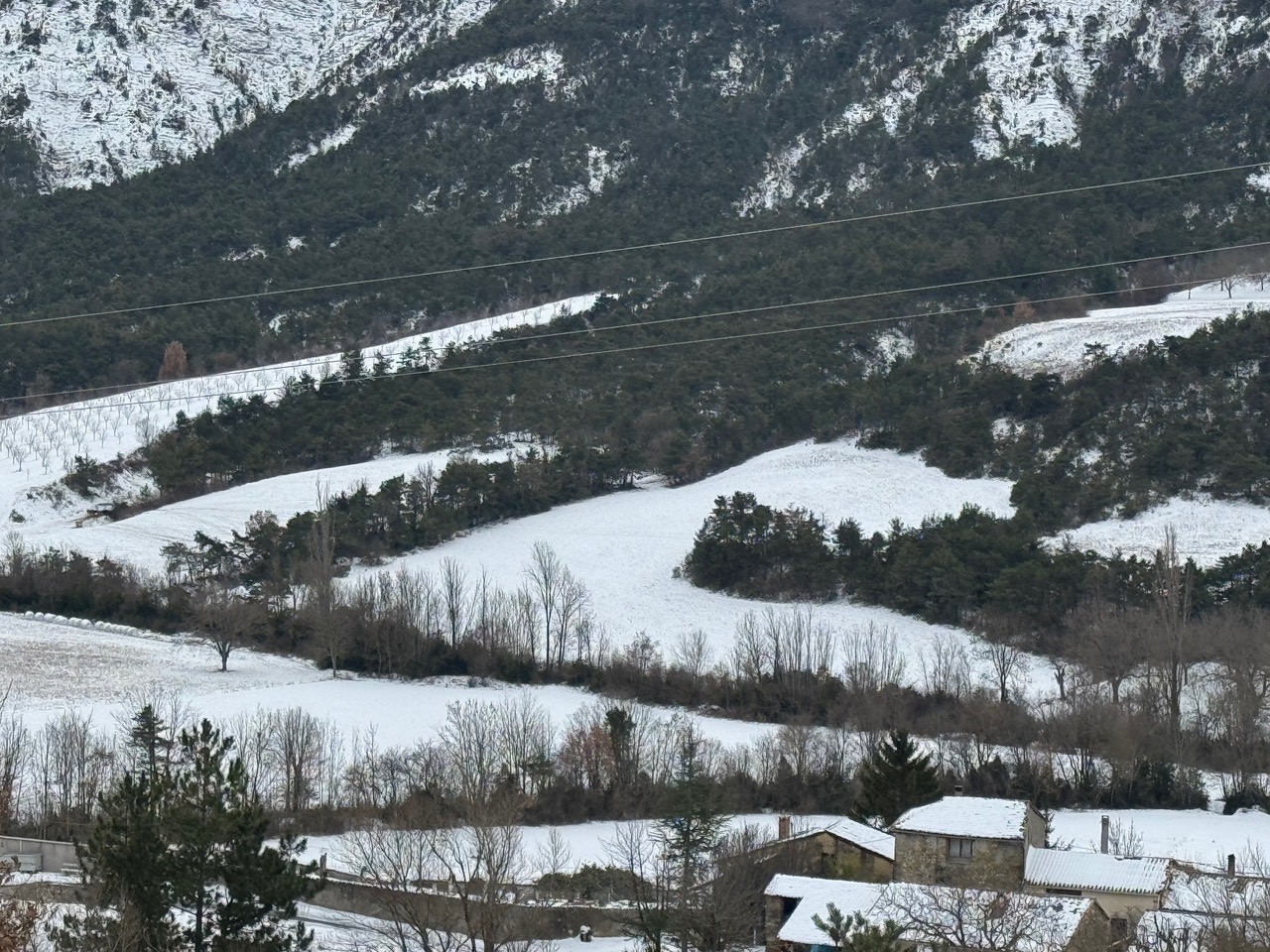
Mrs. Tenoux and her father plan to plant 1.7 hectares of walnut trees on their farm in early 2026 to increase their fruit orchard area. The selected plots were previously used for annual crops.
Planting permanent trees will allow for greater CO2 sequestration throughout the year compared to a temporary crop. Furthermore, this new planting will require less fertilizer and fewer treatments compared to previous crops. This new farming method will help avoid emissions and makes the project even more environmentally friendly. This project will allow for the storage of 89.98 tons of CO2 equivalent over 20 years*.
The orchards will be certified organic. These new plantings will therefore require less fertilizer and fewer treatments compared to previous crops, and only natural inputs are permitted. This new farming method will help avoid emissions and makes the project even more environmentally friendly.
The soil will not be tilled after planting, which will help stabilize it and preserve the carbon it sequesters.
The project addresses socio-economic issues: The walnut production will be sold primarily locally.
Permanent grass cover around the trees will be 100%, retaining water in the soil while also benefiting soil microfauna.
The orchard will use a water-efficient drip irrigation system.
* The final value of the estimate will only be established after verification by an independent auditor and an administrative approval.
 Label Bas Carbone
Examples: reducing the frequency of soil cultivation, minimalist plot preparation, restoring organic matter and preserving soil microfauna.
Examples: diversity and locality of crop species, preservation of habitat for local flora and fauna, presence of beehives for pollination.
Examples: territorial dynamics, societal demand, diversification of the activity, local sales/processing, working conditions, sharing of good practices.
Examples: Consideration of wetlands, use of adapted species, drip-connected irrigation tools.
GAEC du Prieuré
GAEC du Prieuré - Farm cultivating, among other things, walnut trees.
Read moreOrganic walnut tree plantation in Valdoule
Mrs. Tenoux and her father plan to plant 1.7 hectares of walnut trees on their farm in early 2026 to increase their fruit orchard area. The selected plots were previously used for annual crops.
Planting permanent trees will allow for greater CO2 sequestration throughout the year compared to a temporary crop. Furthermore, this new planting will require less fertilizer and fewer treatments compared to previous crops. This new farming method will help avoid emissions and makes the project even more environmentally friendly. This project will allow for the storage of 89.98 tons of CO2 equivalent over 20 years*.
The orchards will be certified organic. These new plantings will therefore require less fertilizer and fewer treatments compared to previous crops, and only natural inputs are permitted. This new farming method will help avoid emissions and makes the project even more environmentally friendly.
The soil will not be tilled after planting, which will help stabilize it and preserve the carbon it sequesters.
The project addresses socio-economic issues: The walnut production will be sold primarily locally.
Permanent grass cover around the trees will be 100%, retaining water in the soil while also benefiting soil microfauna.
The orchard will use a water-efficient drip irrigation system.
* The final value of the estimate will only be established after verification by an independent auditor and an administrative approval.