
 Label Bas Carbone
Examples: diversity and locality of crop species, preservation of habitat for local flora and fauna, presence of beehives for pollination.

Examples: territorial dynamics, societal demand, diversification of the activity, local sales/processing, working conditions, sharing of good practices.

Examples: Consideration of wetlands, use of adapted species, drip-connected irrigation tools.

Use of effective tropospheric ozone-removing species or scientific experiments.
Association actively participating in the reforestation of burnt plots in the Landes and Gironde.
Read moreNew afforestation on former vineyards in Gironde
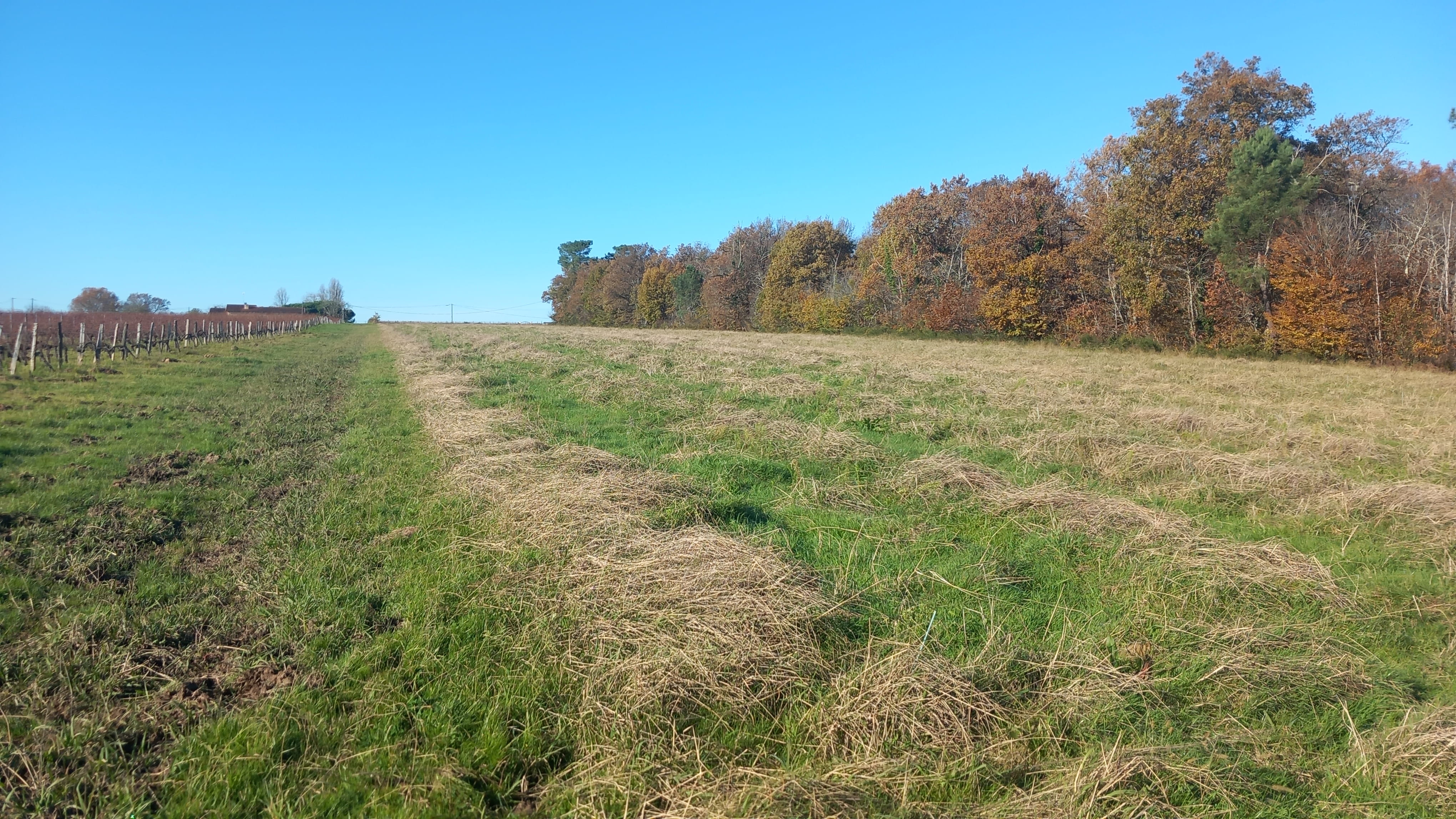
The project is located in the commune of Targon in Gironde, a region with a long history of wine-growing, characterised by a mosaic of agricultural plots and wooded areas. Situated close to existing woodland, the site benefits from a landscape context conducive to ecological continuity. Furthermore, the local soil and climate conditions, typical of the area, provide a suitable environment for the establishment of a diverse range of suitable tree species.
This project involves creating 20.94 hectares of woodland on land formerly occupied by vineyards that were grubbed up following the crisis in the wine sector, using a mix of maritime pine, Laricio pine, sessile oak, Tucano poplar and Vesten poplar. The afforestation will also act as an ecological corridor, linking two existing forest areas. Planting is scheduled for winter 2026/2027 and will sequester 4,930 tonnes of CO2eq over 30 years*.
Socio-economic: A local forestry contractor will be responsible for carrying out the afforestation, and PEFC certification of the afforestation is planned to ensure sustainable management.
Biodiversity: The selected tree species have been chosen for their resilience to global warming whilst being suited to current soil and climate conditions.
Water conservation: No conifers will be planted along watercourses so as not to alter their characteristics.
Climate change: The majority of the selected tree species help combat pollution linked to tropospheric ozone (at low altitudes), which is harmful to plant health.
* The final value of the estimate will only be established following verification by an independent auditor and an administrative verification decision.
 Label Bas Carbone
Examples: diversity and locality of crop species, preservation of habitat for local flora and fauna, presence of beehives for pollination.
Examples: territorial dynamics, societal demand, diversification of the activity, local sales/processing, working conditions, sharing of good practices.
Examples: Consideration of wetlands, use of adapted species, drip-connected irrigation tools.
Use of effective tropospheric ozone-removing species or scientific experiments.
Association actively participating in the reforestation of burnt plots in the Landes and Gironde.
Read moreNew afforestation on former vineyards in Gironde
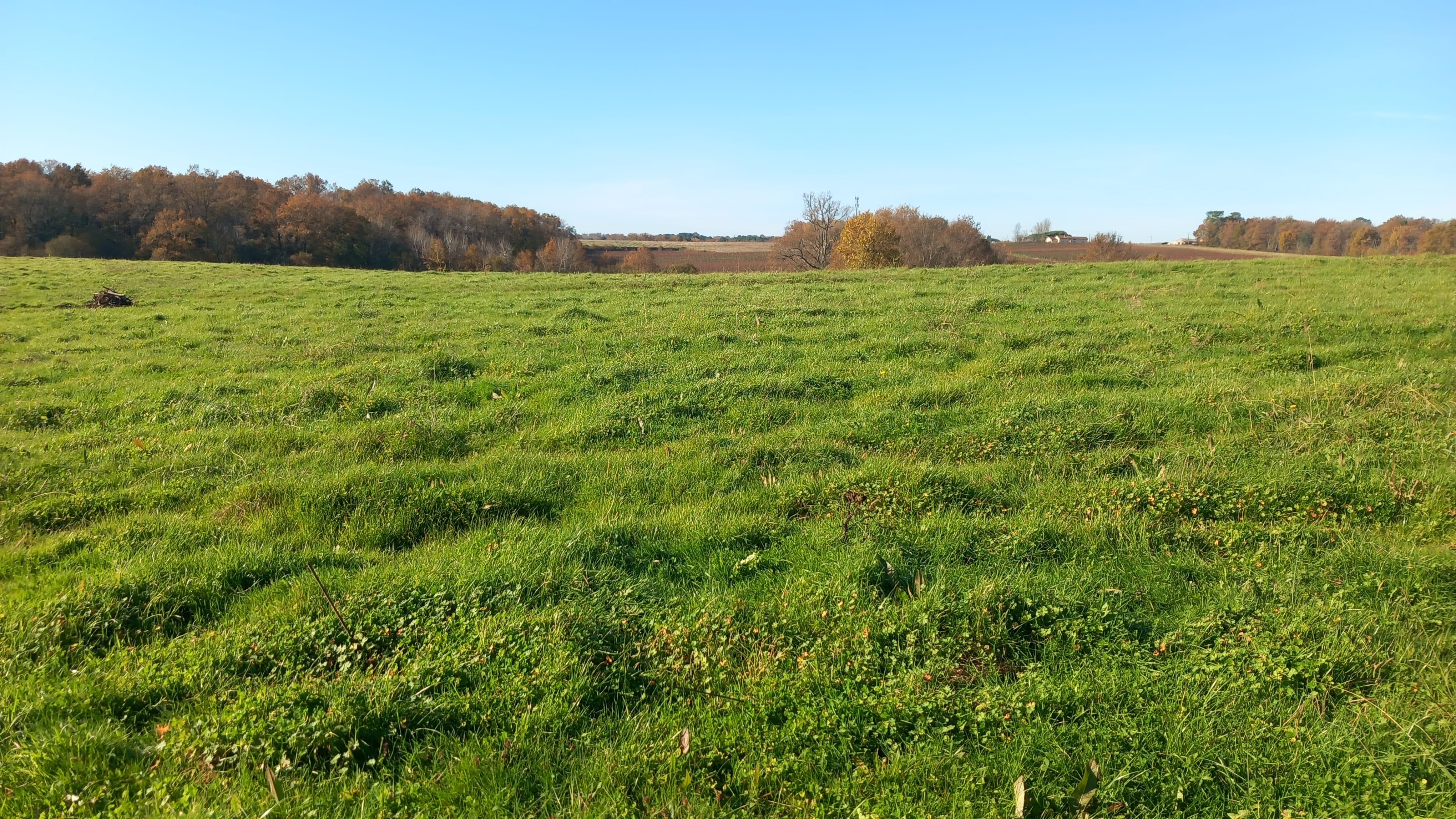
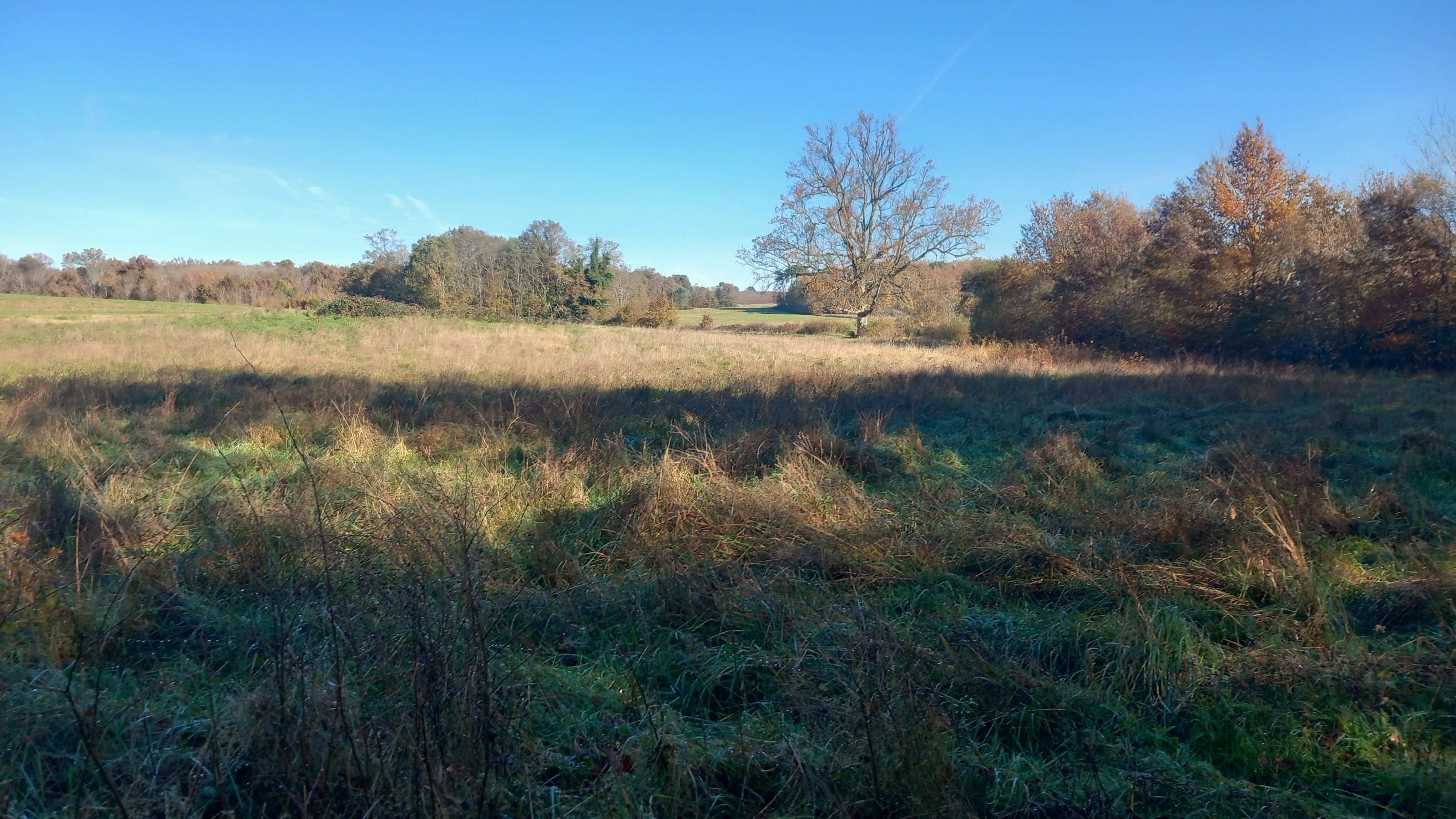
The project is located in the commune of Targon in Gironde, a region with a long history of wine-growing, characterised by a mosaic of agricultural plots and wooded areas. Situated close to existing woodland, the site benefits from a landscape context conducive to ecological continuity. Furthermore, the local soil and climate conditions, typical of the area, provide a suitable environment for the establishment of a diverse range of suitable tree species.
This project involves creating 20.94 hectares of woodland on land formerly occupied by vineyards that were grubbed up following the crisis in the wine sector, using a mix of maritime pine, Laricio pine, sessile oak, Tucano poplar and Vesten poplar. The afforestation will also act as an ecological corridor, linking two existing forest areas. Planting is scheduled for winter 2026/2027 and will sequester 4,930 tonnes of CO2eq over 30 years*.
Socio-economic: A local forestry contractor will be responsible for carrying out the afforestation, and PEFC certification of the afforestation is planned to ensure sustainable management.
Biodiversity: The selected tree species have been chosen for their resilience to global warming whilst being suited to current soil and climate conditions.
Water conservation: No conifers will be planted along watercourses so as not to alter their characteristics.
Climate change: The majority of the selected tree species help combat pollution linked to tropospheric ozone (at low altitudes), which is harmful to plant health.
* The final value of the estimate will only be established following verification by an independent auditor and an administrative verification decision.