
 Label Bas Carbone
Examples: diversity and locality of crop species, preservation of habitat for local flora and fauna, presence of beehives for pollination.

Examples: territorial dynamics, societal demand, diversification of the activity, local sales/processing, working conditions, sharing of good practices.

Examples: Consideration of wetlands, use of adapted species, drip-connected irrigation tools.
Association actively participating in the reforestation of burnt plots in the Landes and Gironde.
Read moreReplanting of 123.76 hectares in Gironde
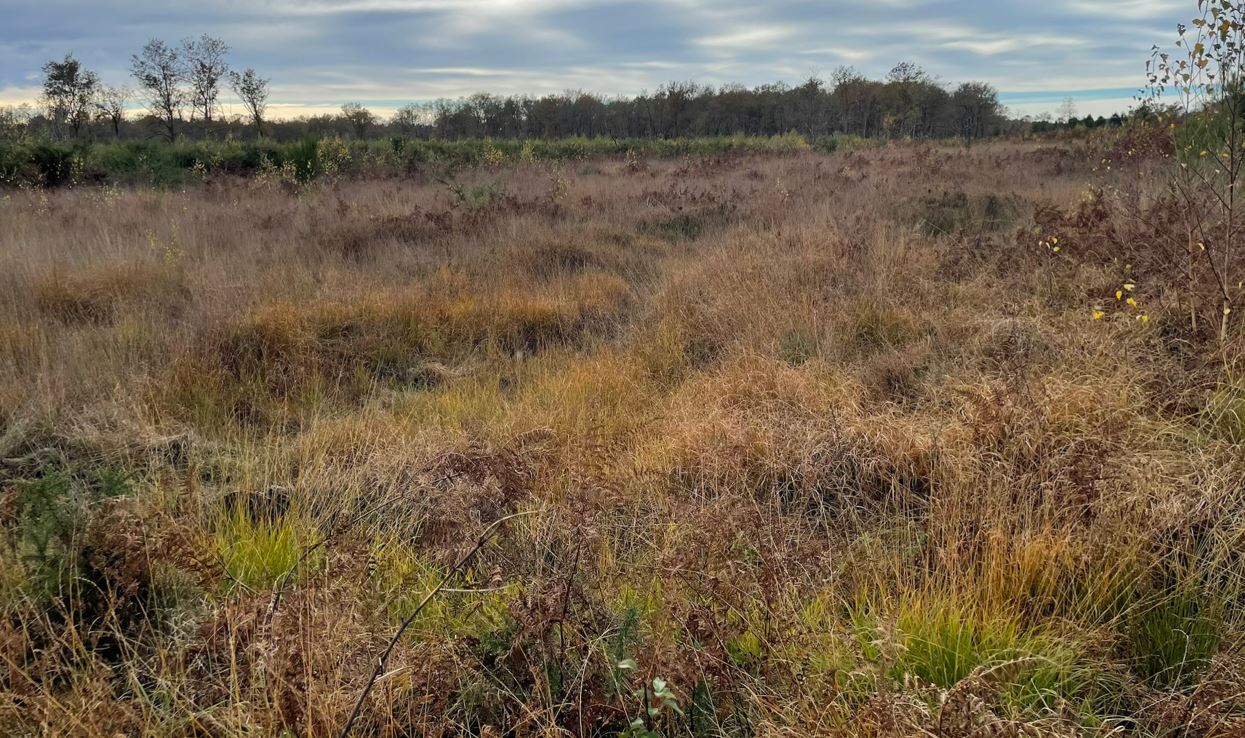
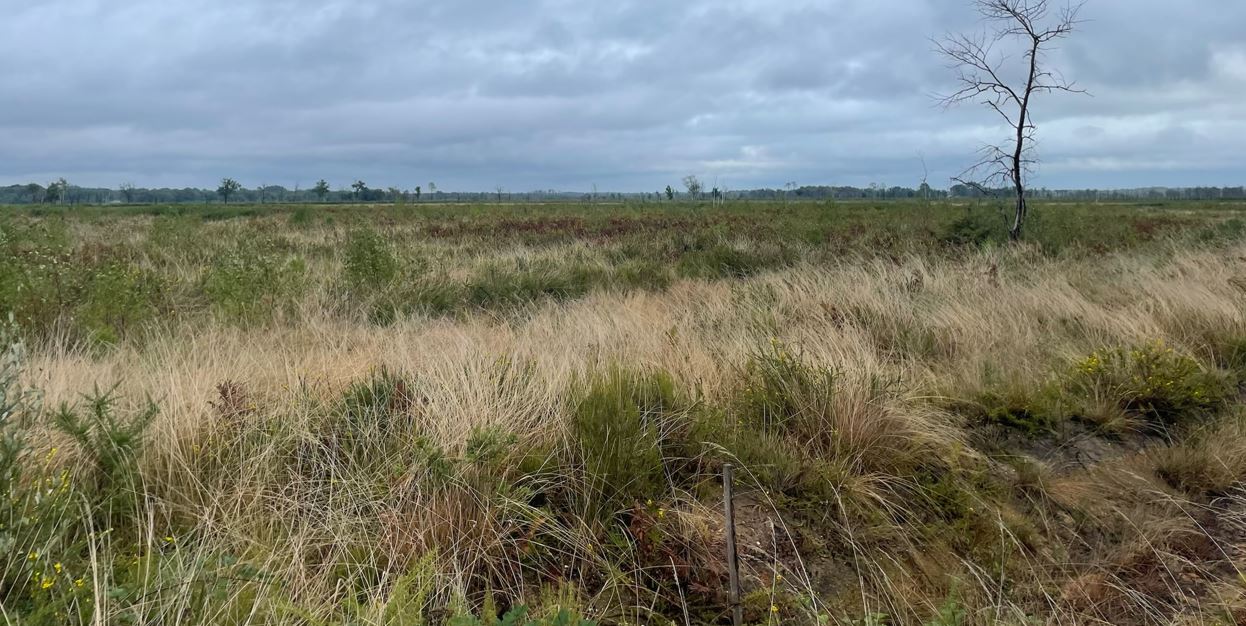
This project is located in the municipalities of Saint-Symphorien and Origne in the Gironde region. The local forests were devastated by fire in the summer of 2022; the original trees on these plots were wiped out and remain standing as deadwood. The reforestation project aims to replant 123.76 hectares, primarily with maritime pine and loblolly pine (*Pinus taeda*), species well-suited to local conditions—specifically poor, sandy soil and high levels of sunlight. Northern red oak and cork oak will also be planted to enhance biodiversity. This project will sequester 19,233 tonnes of CO2 equivalent over 30 years*.
Timber from these forests is harvested using an optimized management model designed to maximize value. Through local processing, every part of the tree is utilized effectively, ensuring nothing goes to waste:
-Pulping: small-diameter logs and lower-quality wood are used to produce paper pulp.
-Sawing: medium-sized logs are used to manufacture pallets, shipping crates, and other packaging products.
-Lumber: high-quality logs are processed into construction materials or furniture.
-Co-product utilization: sawdust and bark are recovered for use in mulch, firelighters, or engineered wood panels, preventing waste. Pine cones can also be utilized in cosmetic products, thanks to innovative research by the company Oceopins.
These initiatives boost the local economy by supporting a sustainable, environmentally friendly industry.
-The plantation will be PEFC certified.
-The owner has taken out forestry insurance that covers reforestation costs in the event of a future fire.
-Strips of broadleaf trees will be planted along the edges of the plots.
-The ditches on these plots will be fully rehabilitated to restore water flow.
* The final estimated value will be determined only after verification by an independent auditor and an administrative verification decision.
 Label Bas Carbone
Examples: diversity and locality of crop species, preservation of habitat for local flora and fauna, presence of beehives for pollination.
Examples: territorial dynamics, societal demand, diversification of the activity, local sales/processing, working conditions, sharing of good practices.
Examples: Consideration of wetlands, use of adapted species, drip-connected irrigation tools.
Association actively participating in the reforestation of burnt plots in the Landes and Gironde.
Read moreReplanting of 123.76 hectares in Gironde
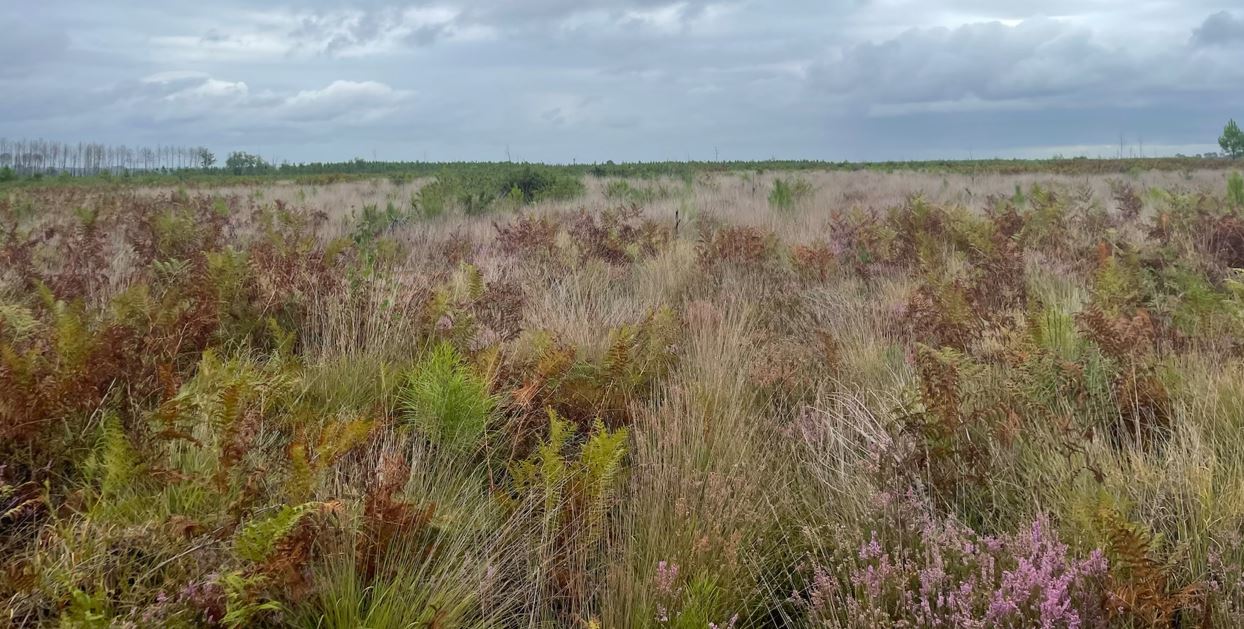
This project is located in the municipalities of Saint-Symphorien and Origne in the Gironde region. The local forests were devastated by fire in the summer of 2022; the original trees on these plots were wiped out and remain standing as deadwood. The reforestation project aims to replant 123.76 hectares, primarily with maritime pine and loblolly pine (*Pinus taeda*), species well-suited to local conditions—specifically poor, sandy soil and high levels of sunlight. Northern red oak and cork oak will also be planted to enhance biodiversity. This project will sequester 19,233 tonnes of CO2 equivalent over 30 years*.
Timber from these forests is harvested using an optimized management model designed to maximize value. Through local processing, every part of the tree is utilized effectively, ensuring nothing goes to waste:
-Pulping: small-diameter logs and lower-quality wood are used to produce paper pulp.
-Sawing: medium-sized logs are used to manufacture pallets, shipping crates, and other packaging products.
-Lumber: high-quality logs are processed into construction materials or furniture.
-Co-product utilization: sawdust and bark are recovered for use in mulch, firelighters, or engineered wood panels, preventing waste. Pine cones can also be utilized in cosmetic products, thanks to innovative research by the company Oceopins.
These initiatives boost the local economy by supporting a sustainable, environmentally friendly industry.
-The plantation will be PEFC certified.
-The owner has taken out forestry insurance that covers reforestation costs in the event of a future fire.
-Strips of broadleaf trees will be planted along the edges of the plots.
-The ditches on these plots will be fully rehabilitated to restore water flow.
* The final estimated value will be determined only after verification by an independent auditor and an administrative verification decision.