
 Label Bas Carbone
Examples: diversity and locality of crop species, preservation of habitat for local flora and fauna, presence of beehives for pollination.

Examples: territorial dynamics, societal demand, diversification of the activity, local sales/processing, working conditions, sharing of good practices.

Examples: Consideration of wetlands, use of adapted species, drip-connected irrigation tools.

Use of effective tropospheric ozone-removing species or scientific experiments.

Pépinières Naudet is one of the main French producers of young forest plants, which are planted all over France.
Read moreForest expansion in Baugé-en-Anjou
The Maine-et-Loire department in the Pays de la Loire region of France spans 7,166 km² between the Loire River and Anjou, renowned for Renaissance châteaux like Saumur and its AOC wines (Anjou, Saumur). Baugé-en-Anjou, a vibrant commune of 6,000 residents in the south, features rolling landscapes under a temperate oceanic climate: mild summers (20°C average), soft winters (5°C), and ample rainfall (700 mm/year), perfect for agriculture and forestry. Historically agrarian, it leads in fruit arboriculture (apples, cherries), viticulture, and cereals, contributing 20% to France's fruit production. The local economy thrives on agrofood, green tourism, and sustainable shifts amid climate change.
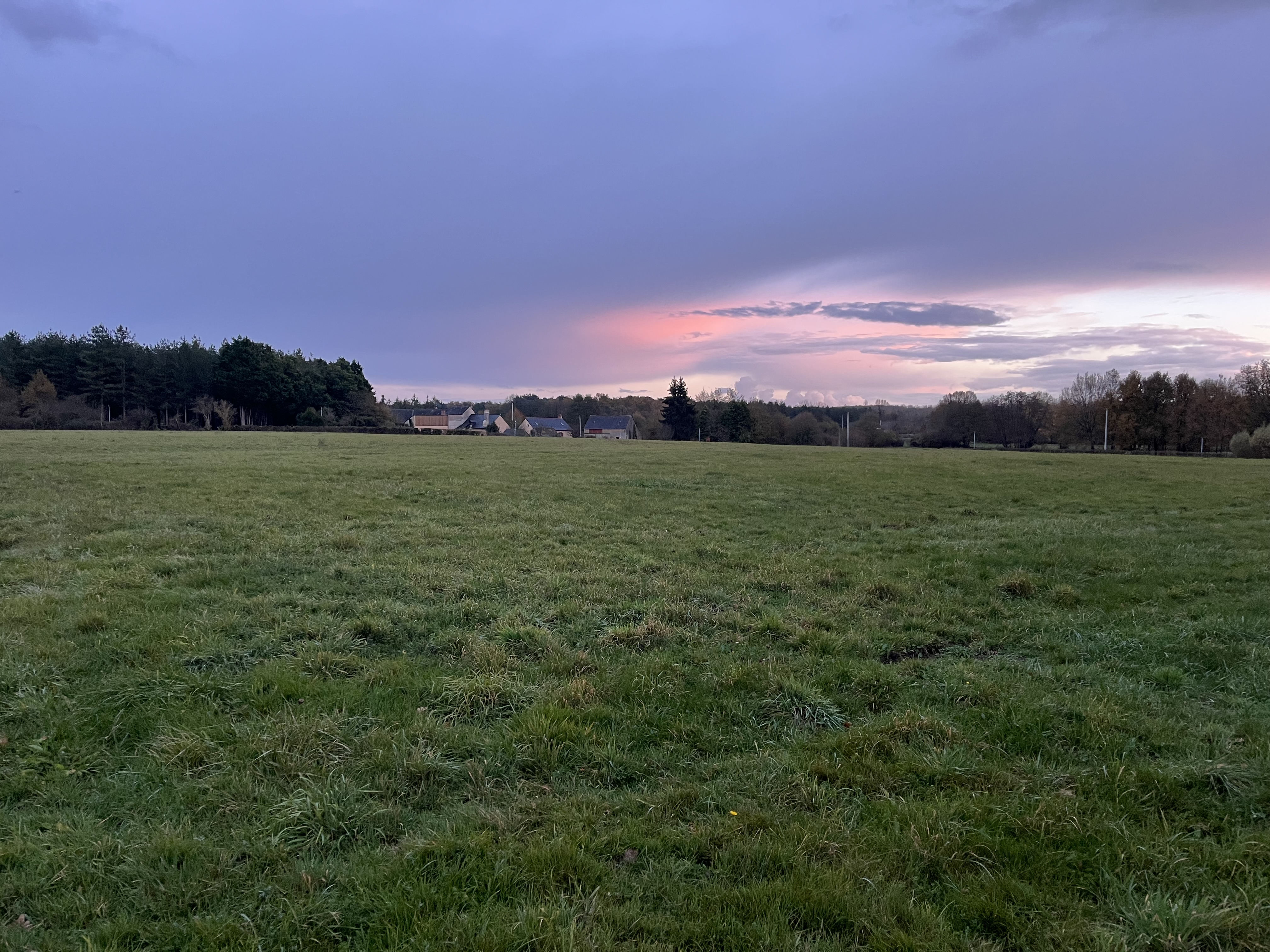
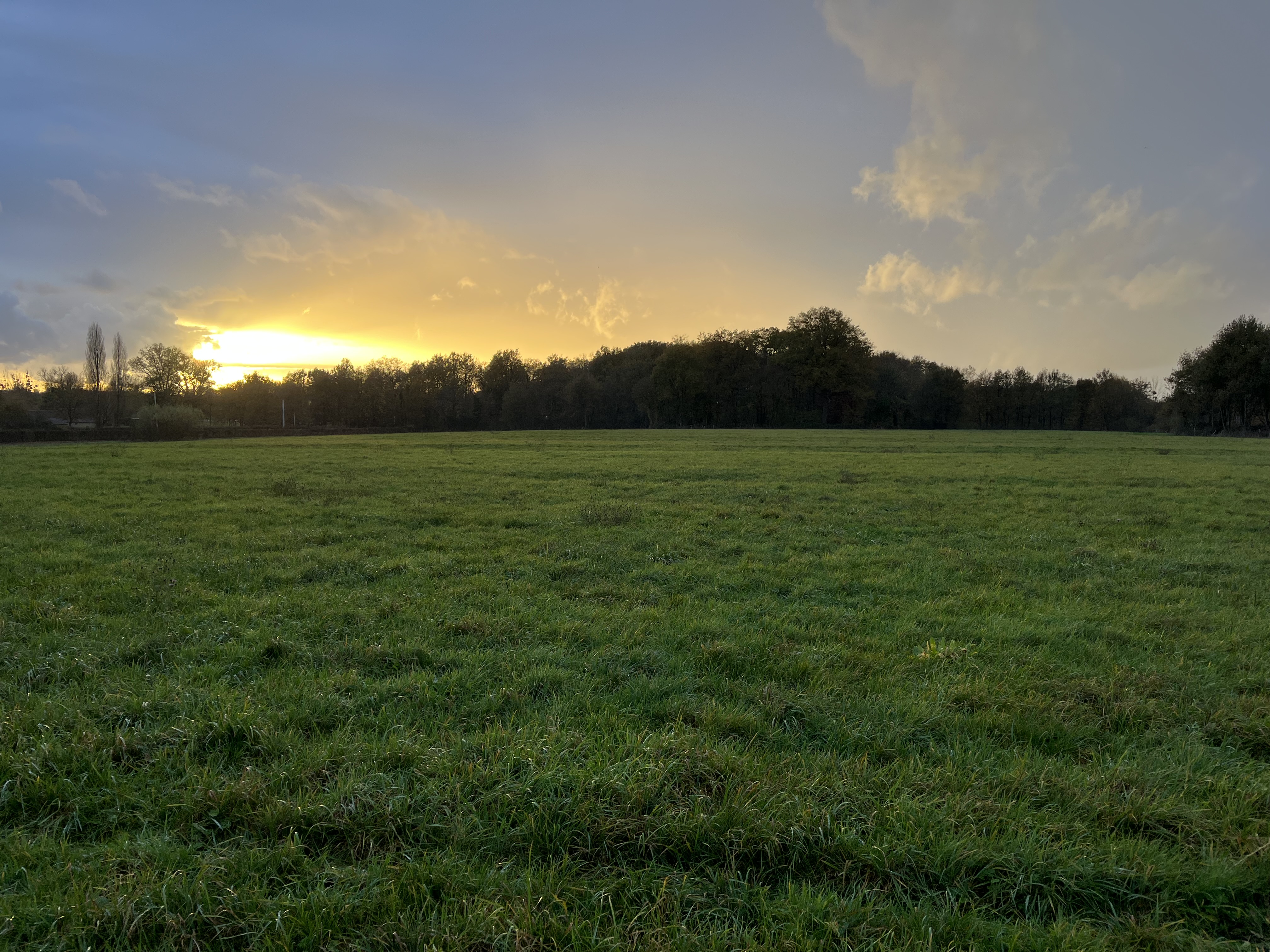
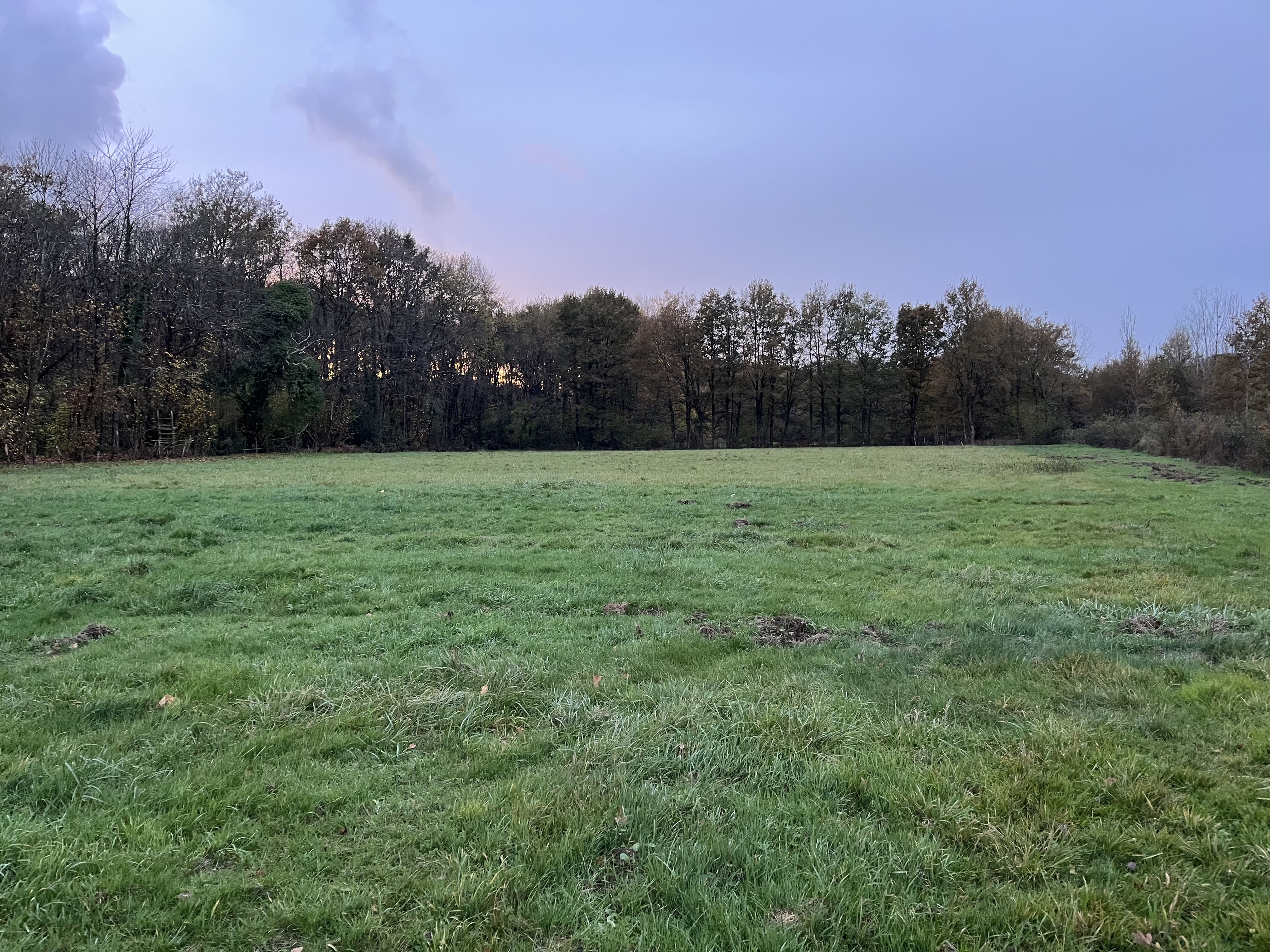
This project is located in the commune of Baugé-en-Anjou in the Maine-et-Loire department. The afforestation will take place on a currently underutilized plot of land adjacent to an existing woodland. This afforestation project will create 4.5 hectares of forest, using a diverse mix of tree species. Planting is scheduled for the end of 2026 and will sequester 983 tons of CO2 equivalent over 30 years*.
Biodiversity: Six different tree species have been selected for this afforestation: downy oak, sessile oak, red oak, Corsican pine, Atlas cedar, and sweet chestnut. The chosen species have been studied for their resistance to climate change while being adapted to current conditions.
Socio-economic: A local forestry company will be responsible for carrying out the afforestation, and PEFC certification of the afforestation is planned. Water resource preservation: An existing pond will be preserved and surrounded only by deciduous trees.
Climate change: A majority of the chosen tree species help combat pollution from tropospheric ozone (at low altitudes), which is harmful to plant health.
* The final value of the estimate will only be established after verification by an independent auditor and an administrative approval.
 Label Bas Carbone
Examples: diversity and locality of crop species, preservation of habitat for local flora and fauna, presence of beehives for pollination.
Examples: territorial dynamics, societal demand, diversification of the activity, local sales/processing, working conditions, sharing of good practices.
Examples: Consideration of wetlands, use of adapted species, drip-connected irrigation tools.
Use of effective tropospheric ozone-removing species or scientific experiments.
Pépinières Naudet is one of the main French producers of young forest plants, which are planted all over France.
Read moreForest expansion in Baugé-en-Anjou
The Maine-et-Loire department in the Pays de la Loire region of France spans 7,166 km² between the Loire River and Anjou, renowned for Renaissance châteaux like Saumur and its AOC wines (Anjou, Saumur). Baugé-en-Anjou, a vibrant commune of 6,000 residents in the south, features rolling landscapes under a temperate oceanic climate: mild summers (20°C average), soft winters (5°C), and ample rainfall (700 mm/year), perfect for agriculture and forestry. Historically agrarian, it leads in fruit arboriculture (apples, cherries), viticulture, and cereals, contributing 20% to France's fruit production. The local economy thrives on agrofood, green tourism, and sustainable shifts amid climate change.
This project is located in the commune of Baugé-en-Anjou in the Maine-et-Loire department. The afforestation will take place on a currently underutilized plot of land adjacent to an existing woodland. This afforestation project will create 4.5 hectares of forest, using a diverse mix of tree species. Planting is scheduled for the end of 2026 and will sequester 983 tons of CO2 equivalent over 30 years*.
Biodiversity: Six different tree species have been selected for this afforestation: downy oak, sessile oak, red oak, Corsican pine, Atlas cedar, and sweet chestnut. The chosen species have been studied for their resistance to climate change while being adapted to current conditions.
Socio-economic: A local forestry company will be responsible for carrying out the afforestation, and PEFC certification of the afforestation is planned. Water resource preservation: An existing pond will be preserved and surrounded only by deciduous trees.
Climate change: A majority of the chosen tree species help combat pollution from tropospheric ozone (at low altitudes), which is harmful to plant health.
* The final value of the estimate will only be established after verification by an independent auditor and an administrative approval.