
 Label Bas Carbone
Examples: diversity and locality of crop species, preservation of habitat for local flora and fauna, presence of beehives for pollination.

Use of effective tropospheric ozone-removing species or scientific experiments.

Pépinières Naudet is one of the main French producers of young forest plants, which are planted all over France.
Read moreCreation of 4.29 hectares of woodland in the Somme
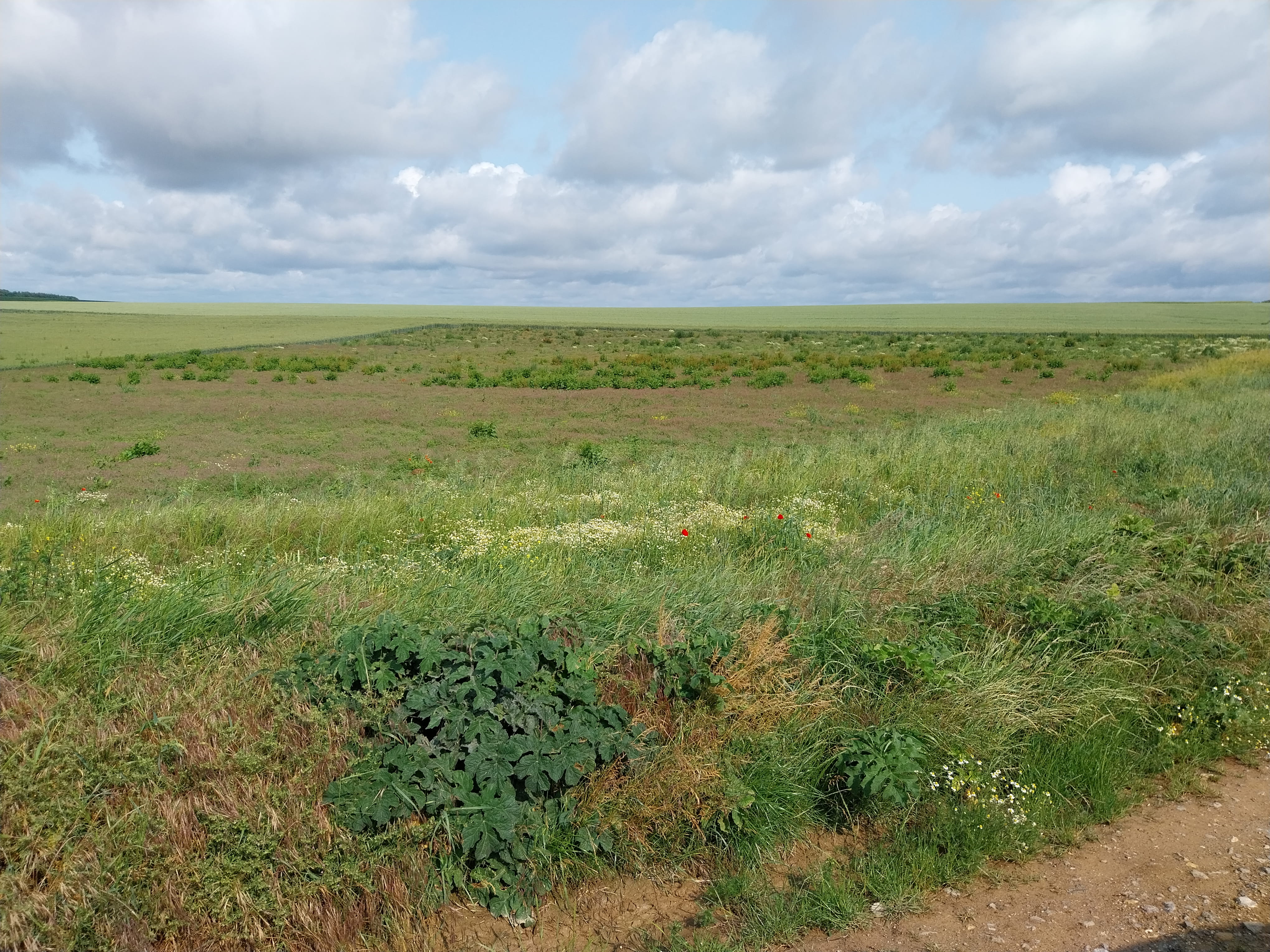
Located in Carnoy-Mametz, within an area largely dominated by arable farming, the project is set in a local context where wooded areas remain relatively fragmented. However, the area presents a significant challenge in terms of restoring ecological connectivity and diversifying the landscape. By recreating a forest block connected to existing copses, the project will help to strengthen the local green network, improve the area’s ecological resilience and provide new habitats conducive to biodiversity.
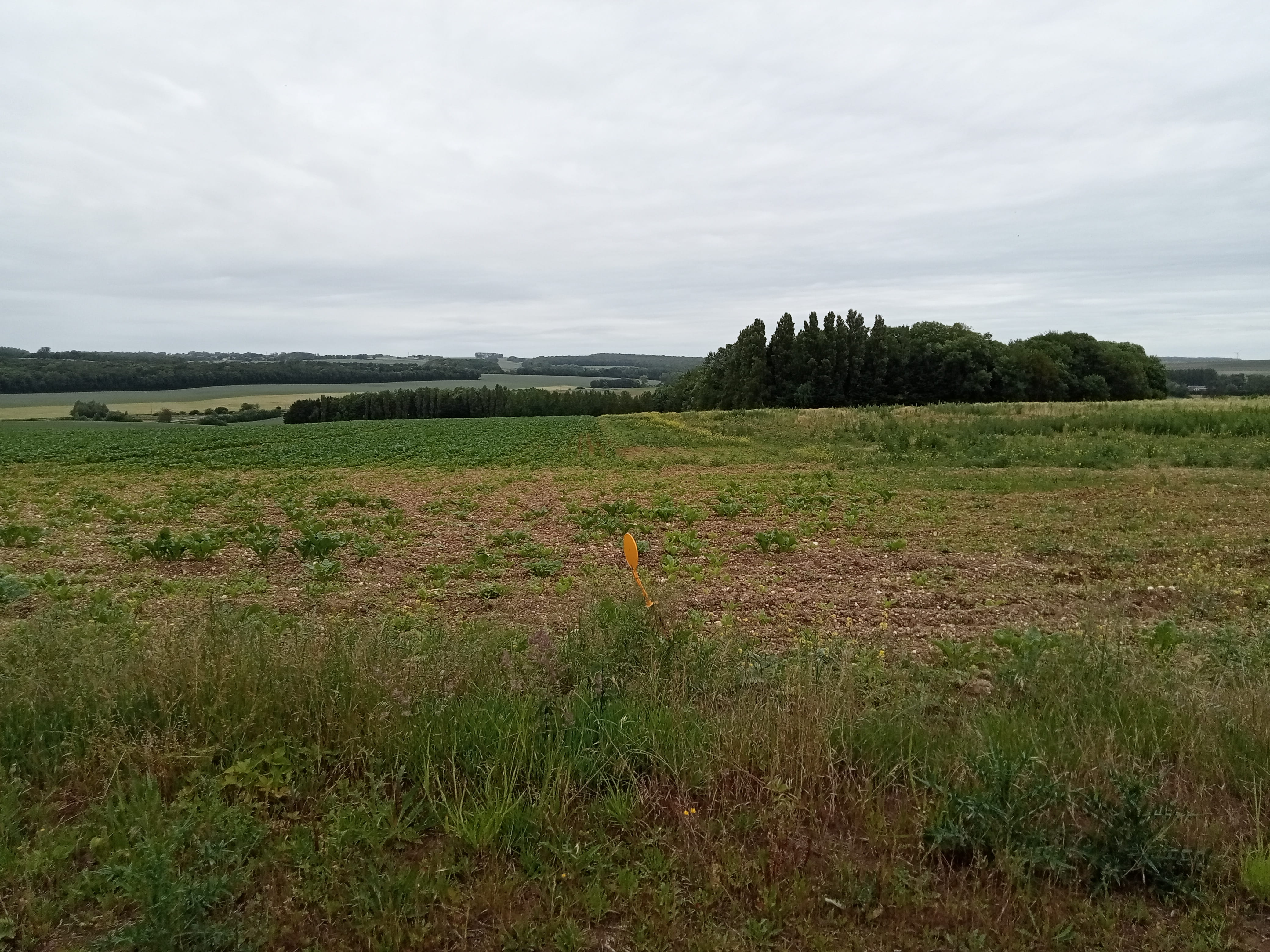
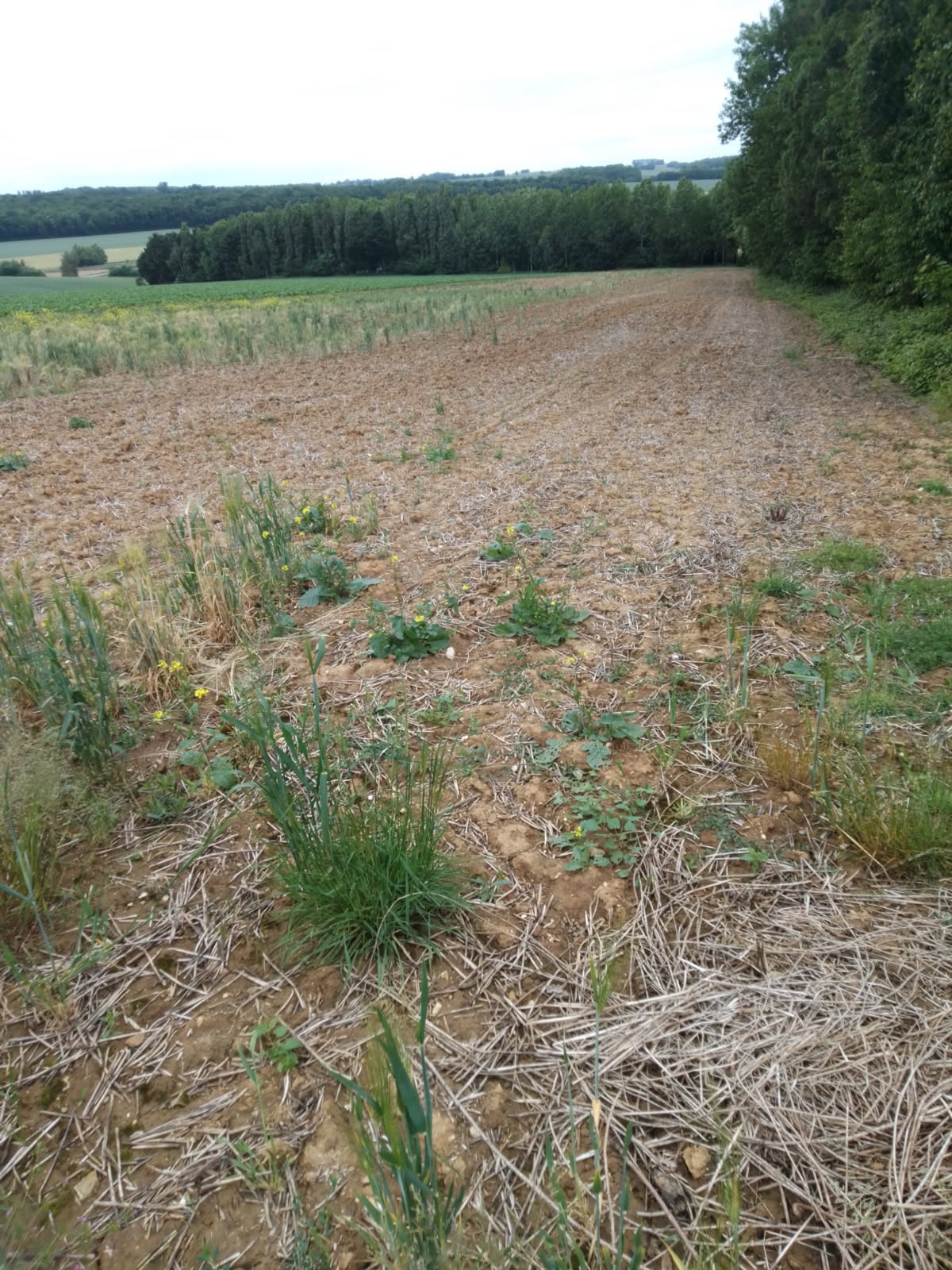
The afforestation will take place on agricultural plots that are no longer in use. This afforestation project will create 4.29 hectares of woodland using a diverse mix of tree species. The afforestation will connect adjacent copses. Planting is scheduled for late 2026 / early 2027 and is expected to sequester 1,535 tonnes of CO2eq over 30 years*.
Biodiversity: 8 different tree species have been selected for this afforestation project: common beech, sessile oak, pedunculate oak, sycamore maple, field maple, service tree, Calabrian black pine and Vesten poplar. The selected species were chosen for their resilience to global warming whilst being well-suited to current conditions. The planting will help connect isolated patches of adjacent forest and create new linear deciduous hedgerows along the edges of plots.
Climate change: Some of the selected species help combat pollution linked to tropospheric ozone (at low altitudes), which is harmful to plant health.
* The final value of the estimate will only be established following verification by an independent auditor and an administrative verification decision.
 Label Bas Carbone
Examples: diversity and locality of crop species, preservation of habitat for local flora and fauna, presence of beehives for pollination.
Use of effective tropospheric ozone-removing species or scientific experiments.
Pépinières Naudet is one of the main French producers of young forest plants, which are planted all over France.
Read moreCreation of 4.29 hectares of woodland in the Somme
Located in Carnoy-Mametz, within an area largely dominated by arable farming, the project is set in a local context where wooded areas remain relatively fragmented. However, the area presents a significant challenge in terms of restoring ecological connectivity and diversifying the landscape. By recreating a forest block connected to existing copses, the project will help to strengthen the local green network, improve the area’s ecological resilience and provide new habitats conducive to biodiversity.
The afforestation will take place on agricultural plots that are no longer in use. This afforestation project will create 4.29 hectares of woodland using a diverse mix of tree species. The afforestation will connect adjacent copses. Planting is scheduled for late 2026 / early 2027 and is expected to sequester 1,535 tonnes of CO2eq over 30 years*.
Biodiversity: 8 different tree species have been selected for this afforestation project: common beech, sessile oak, pedunculate oak, sycamore maple, field maple, service tree, Calabrian black pine and Vesten poplar. The selected species were chosen for their resilience to global warming whilst being well-suited to current conditions. The planting will help connect isolated patches of adjacent forest and create new linear deciduous hedgerows along the edges of plots.
Climate change: Some of the selected species help combat pollution linked to tropospheric ozone (at low altitudes), which is harmful to plant health.
* The final value of the estimate will only be established following verification by an independent auditor and an administrative verification decision.