 Label Bas Carbone
Examples: diversity and locality of crop species, preservation of habitat for local flora and fauna, presence of beehives for pollination.

Examples: territorial dynamics, societal demand, diversification of the activity, local sales/processing, working conditions, sharing of good practices.

Examples: Consideration of wetlands, use of adapted species, drip-connected irrigation tools.
Creation of 4.758 hectares of woodland in the Dordogne
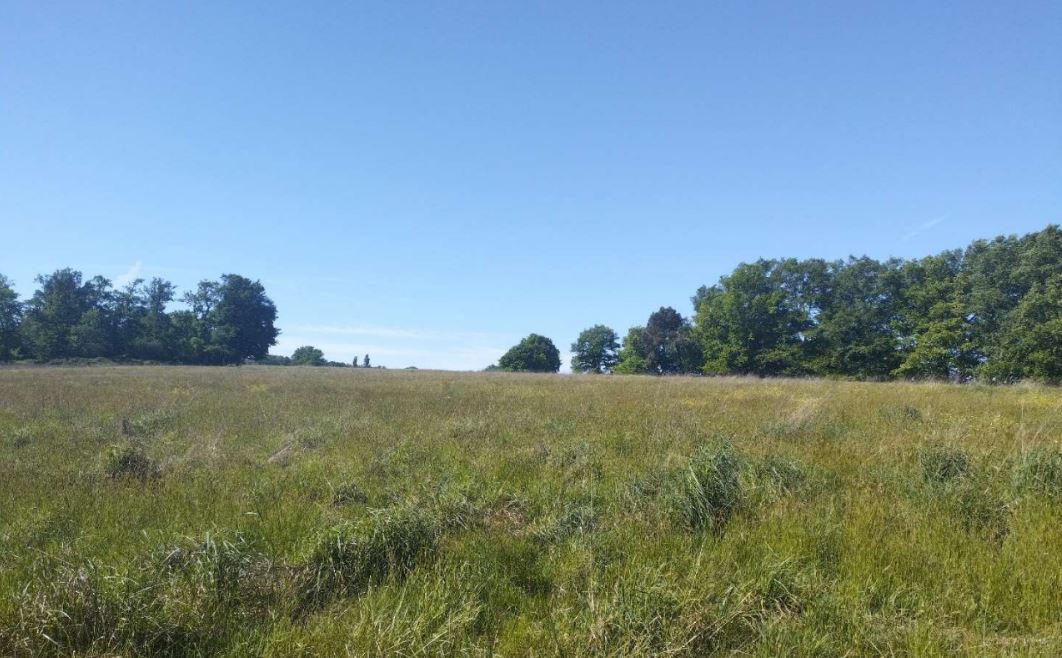
Located in the municipality of Beauronne, in the Dordogne, the project is situated in a rural area characterised by extensive woodland and agricultural land, where the challenges of adapting to climate change and preserving ecological connectivity are particularly significant. The area benefits from conditions favourable to the development of diverse forest stands, whilst also requiring measures to strengthen the resilience of ecosystems in the face of droughts and increasing climate-related hazards.
The afforestation will take place on plots of land that are no longer being exploited, adjacent to an already existing woodland. This afforestation project will create 4.758 hectares of forest, using a diverse mix of tree species. Planting is scheduled for late 2026 and will sequester 1,115 tonnes of CO2eq over 30 years*.
Biodiversity: Six different tree species have been selected for this afforestation project: black alder, silver birch, Turkey oak, tauzin oak, maritime pine and lodgepole pine. The selected species have been chosen for their resilience to climate change whilst being well-suited to current conditions.
Socio-economic: A local forestry contractor will be responsible for carrying out the afforestation.
Water resource conservation: The watercourse bordering the afforestation area will be surrounded solely by deciduous species, in order not to disrupt its characteristics.
* The final value of the estimate will only be established following verification by an independent auditor and an administrative verification decision.
 Label Bas Carbone
Examples: diversity and locality of crop species, preservation of habitat for local flora and fauna, presence of beehives for pollination.
Examples: territorial dynamics, societal demand, diversification of the activity, local sales/processing, working conditions, sharing of good practices.
Examples: Consideration of wetlands, use of adapted species, drip-connected irrigation tools.
Creation of 4.758 hectares of woodland in the Dordogne
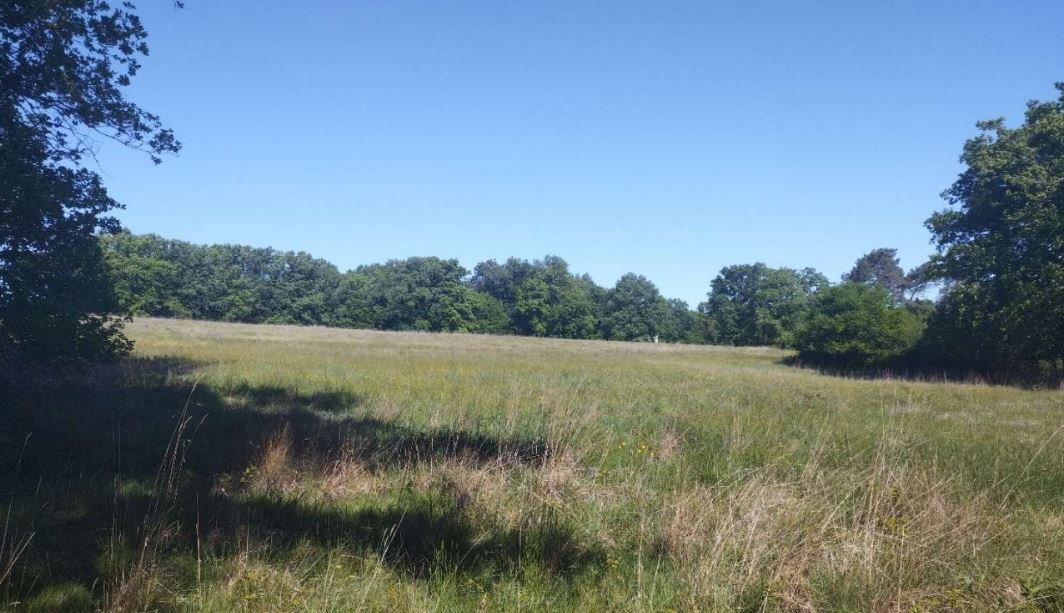
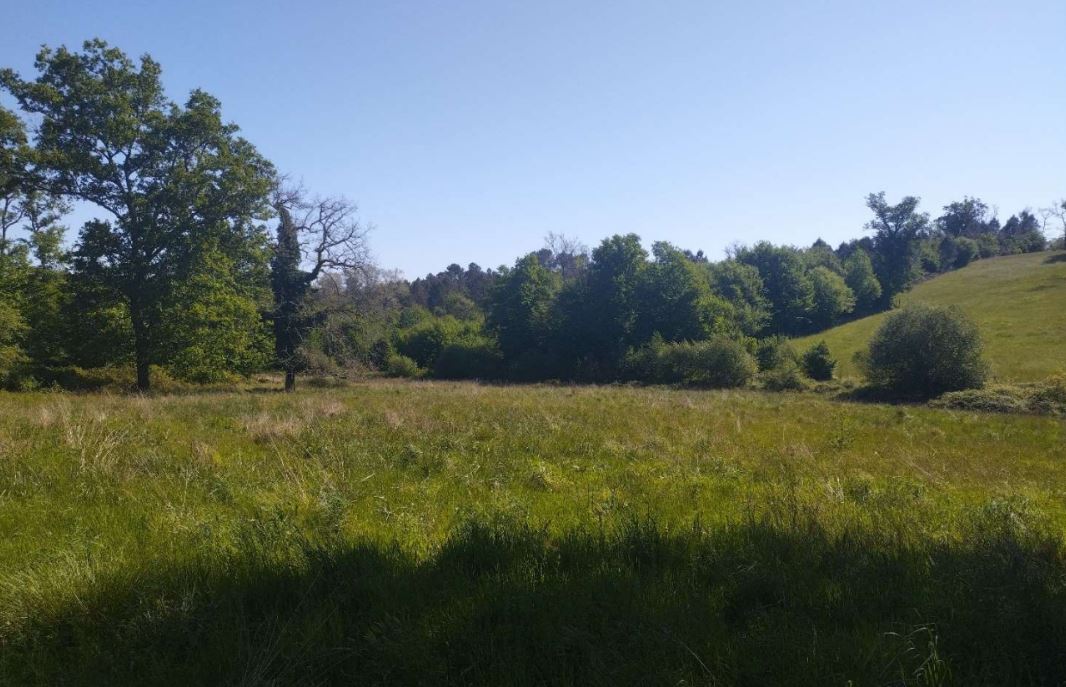
Located in the municipality of Beauronne, in the Dordogne, the project is situated in a rural area characterised by extensive woodland and agricultural land, where the challenges of adapting to climate change and preserving ecological connectivity are particularly significant. The area benefits from conditions favourable to the development of diverse forest stands, whilst also requiring measures to strengthen the resilience of ecosystems in the face of droughts and increasing climate-related hazards.
The afforestation will take place on plots of land that are no longer being exploited, adjacent to an already existing woodland. This afforestation project will create 4.758 hectares of forest, using a diverse mix of tree species. Planting is scheduled for late 2026 and will sequester 1,115 tonnes of CO2eq over 30 years*.
Biodiversity: Six different tree species have been selected for this afforestation project: black alder, silver birch, Turkey oak, tauzin oak, maritime pine and lodgepole pine. The selected species have been chosen for their resilience to climate change whilst being well-suited to current conditions.
Socio-economic: A local forestry contractor will be responsible for carrying out the afforestation.
Water resource conservation: The watercourse bordering the afforestation area will be surrounded solely by deciduous species, in order not to disrupt its characteristics.
* The final value of the estimate will only be established following verification by an independent auditor and an administrative verification decision.